
Last updated October 30, 2026
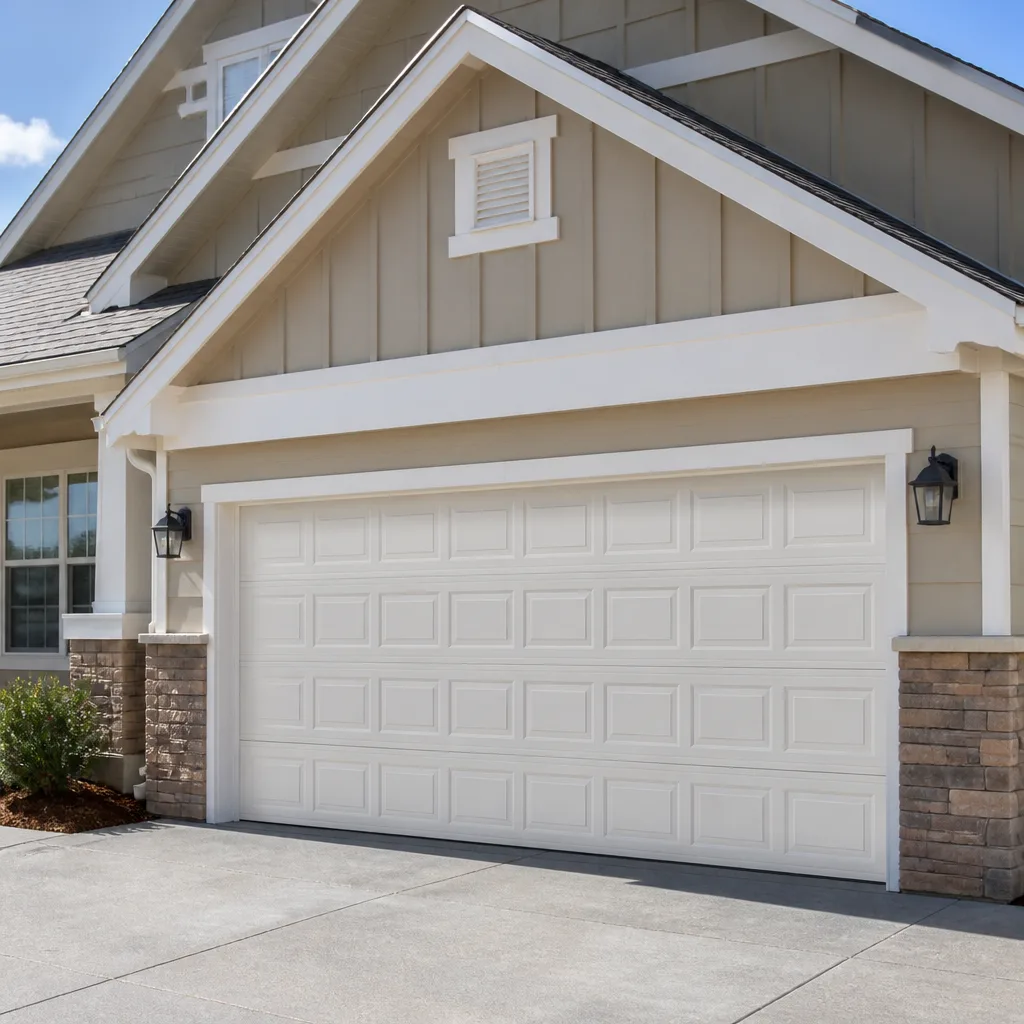 Raised-panel steel
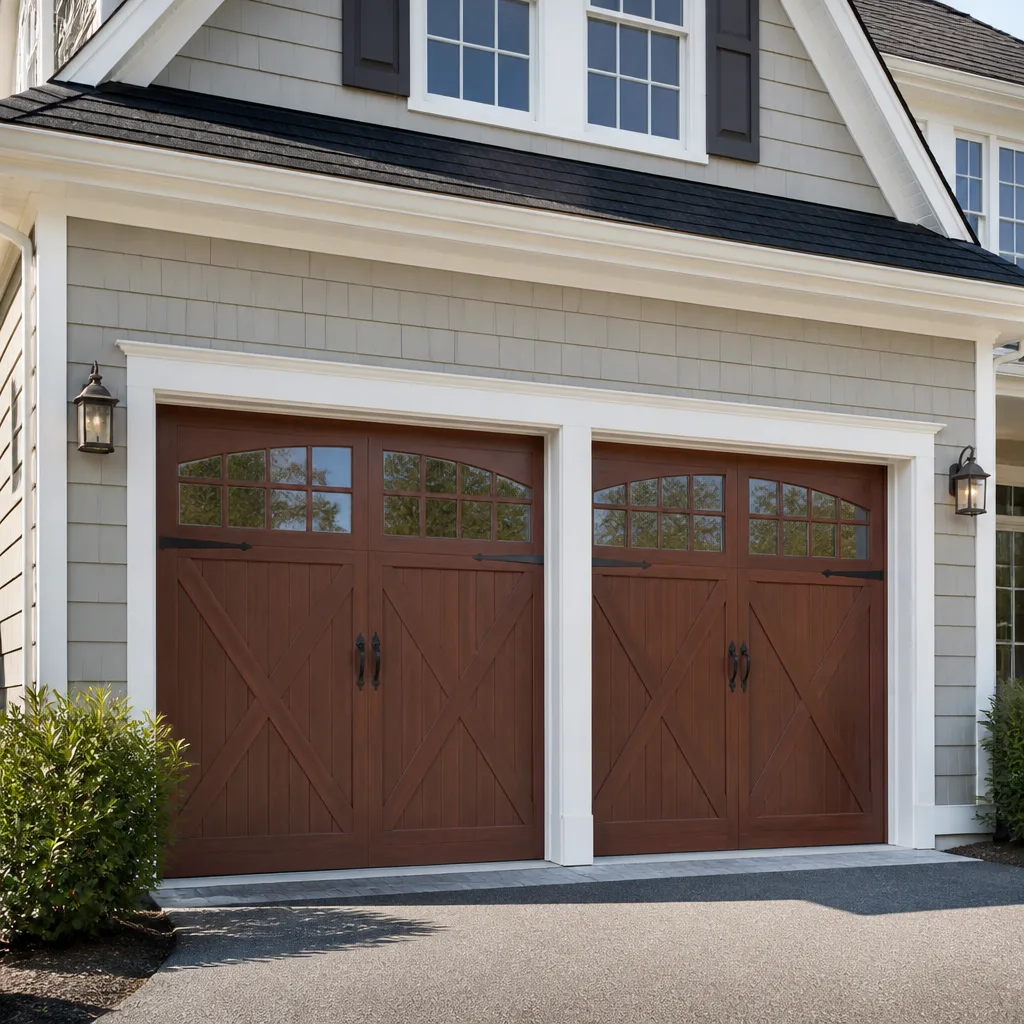 Carriage house
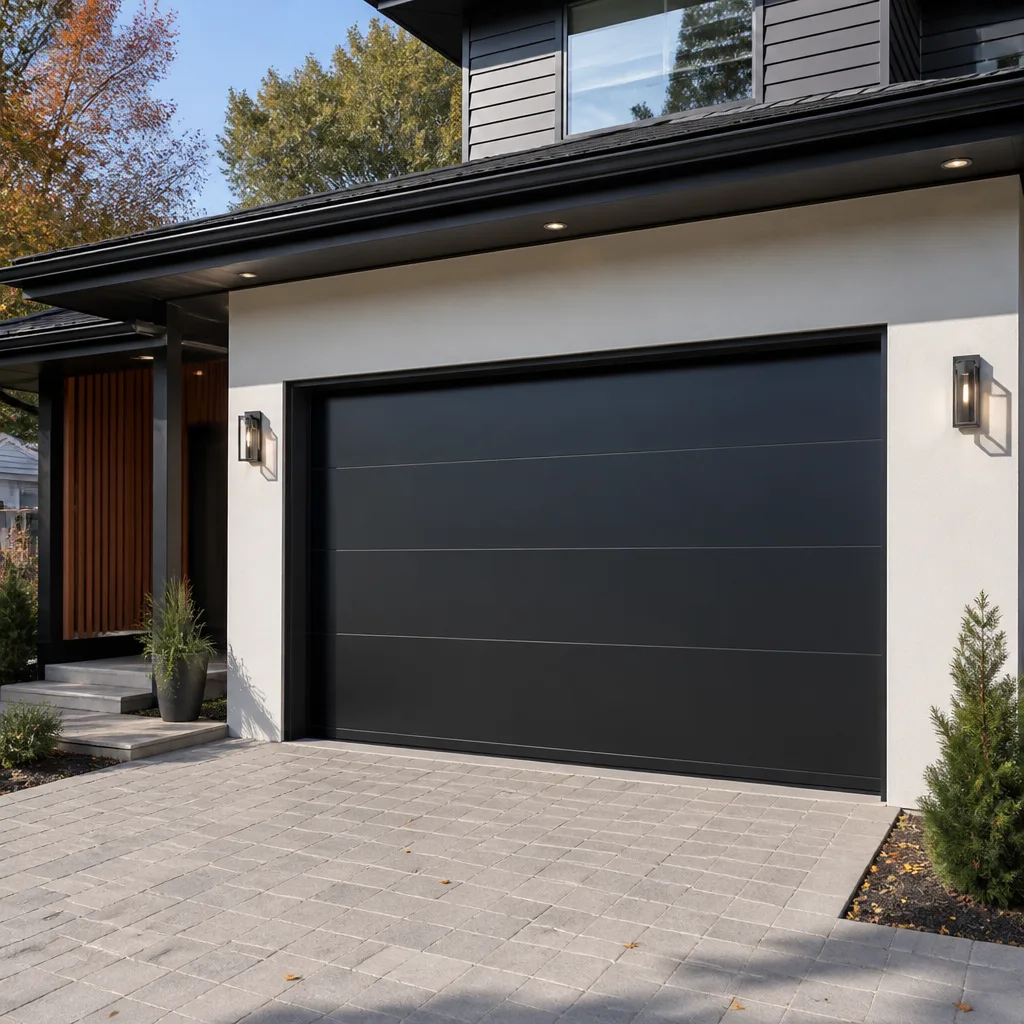 Modern flush
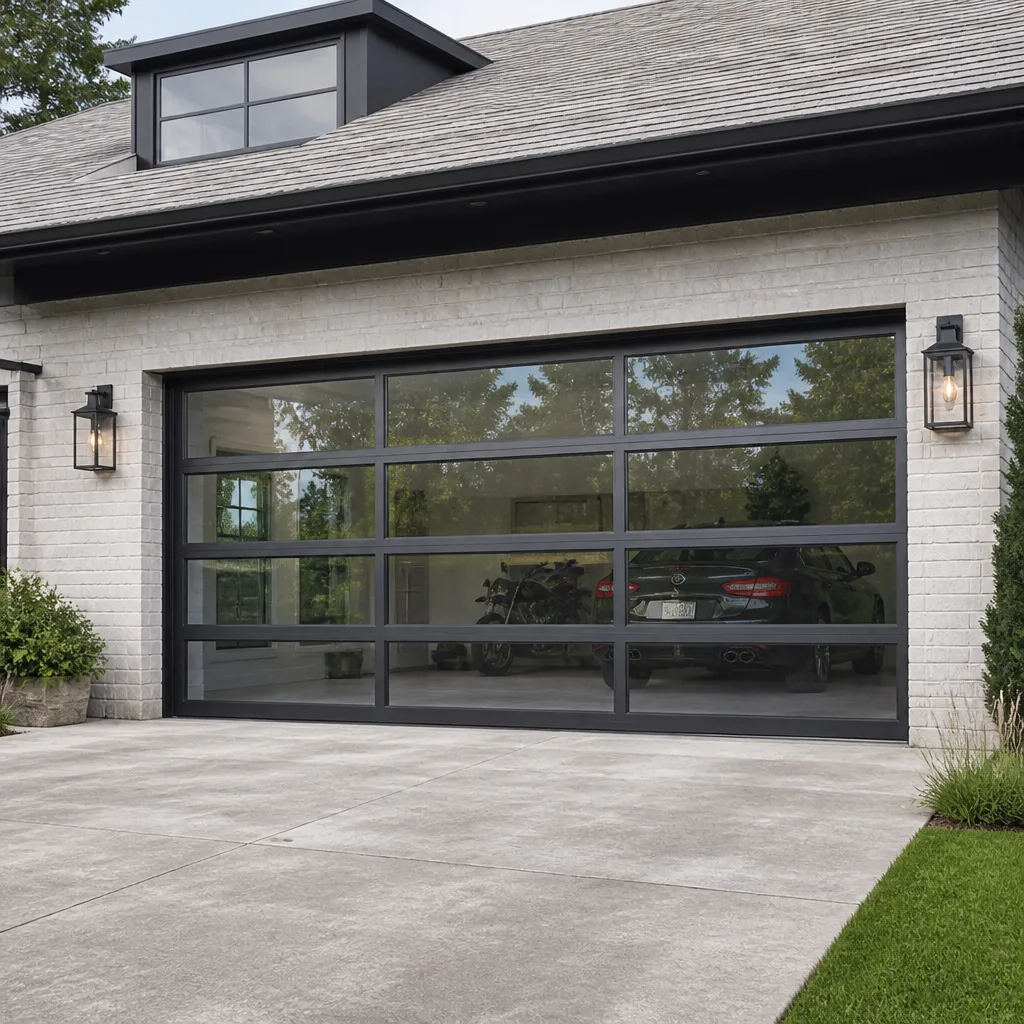 Full-view glass
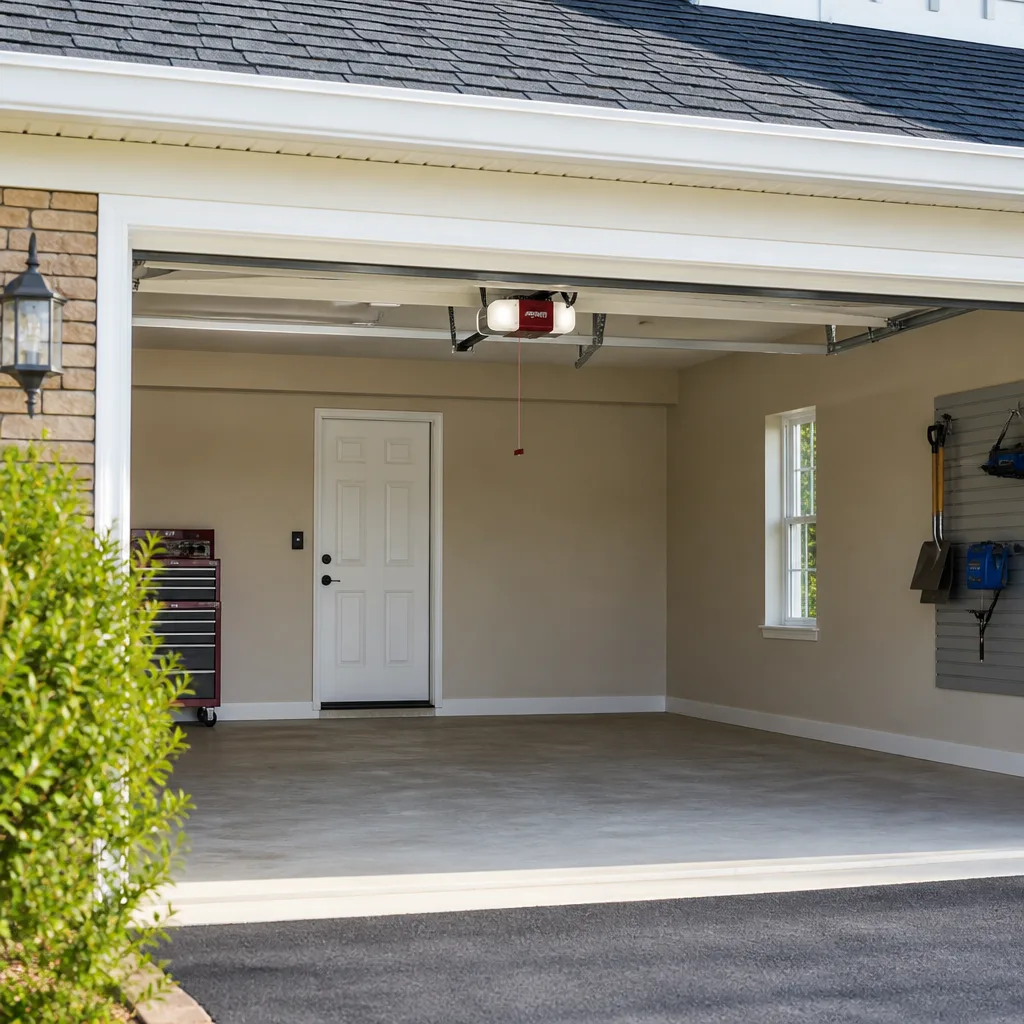 LiftMaster openers
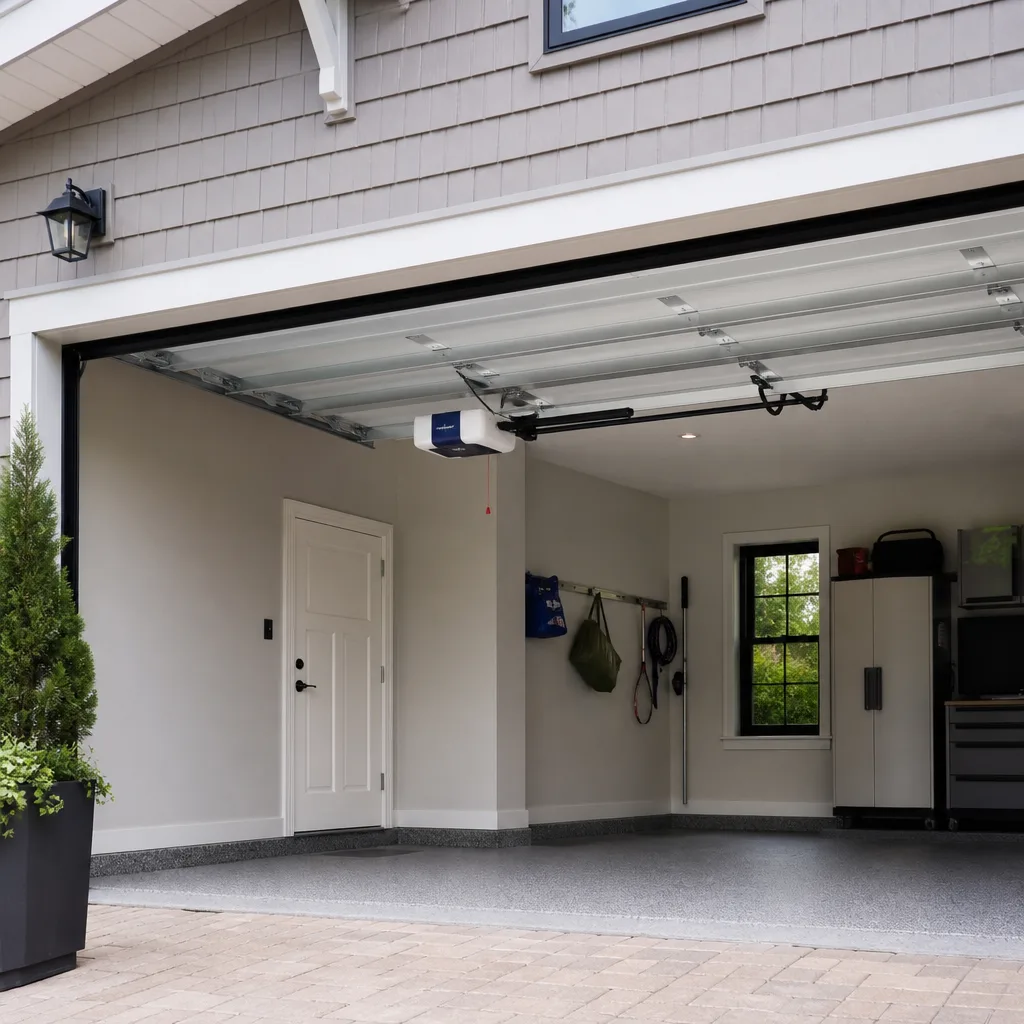 Chamberlain openers
Full 25-point door and opener safety check with every visit - springs, cables, rollers, tracks, and your LiftMaster or Chamberlain opener included
You get a price before we start. It does not change when the truck arrives.
Get your free estimateThe Complete Guide to Garage Door in Los Angeles
Your garage door is the largest moving part of your home. In Los Angeles, it cycles open and closed more than 1,500 times a year, baking in direct sun, absorbing marine-layer moisture, and taking the brunt of every Santa Ana gust that rips through the canyons. Yet most homeowners have never once had it professionally inspected. This guide walks you through how the entire system actually works, what fails first in Southern California’s specific climate, what repairs cost, and how to decide between fixing a component, replacing the opener, or starting fresh with a new door—similar to the questions covered in our DIY vs Professional Garage Door: The Los Angeles Homeowner’s Decision Guide. If you live in Los Angeles and your garage door matters to your daily routine, security, and home value, this is the reference you’ll want bookmarked.
Quick Answer
A garage door is a mechanical system of seven interdependent components: panels, tracks, springs, cables, rollers, the opener, and safety sensors. In Los Angeles, the three most common failure points are torsion springs (which snap from metal fatigue after roughly 10,000 cycles), opener gear-and-sprocket assemblies (which strip under heat and frequent use), and sensor misalignment (which coastal humidity and minor house settling trigger constantly). Most component repairs run between $150 and $350, opener replacement between $400 and $900 installed, and a full door replacement between $1,200 and $4,000 depending on material and insulation. Routine inspection every 12 to 18 months catches small problems before they become emergency calls.
Styles & brands we work with
Table of Contents
- Anatomy of a Garage Door System: The Seven Components That Work Together
- How Los Angeles Weather Wears Down Your Garage Door
- Reading Your Door’s Behavior: What Speed, Noise, and Balance Tell You
- Repair vs. Replace vs. New Opener: A Decision Tree for Los Angeles Homeowners
- What Garage Door Work Actually Costs in Los Angeles
- A 6-Step Maintenance Routine That Adds Years to Your Door
- Your Brand Matters: Why Multi-Brand Expertise Changes the Repair Outcome
- Common Mistakes to Avoid
- When to Call a Professional
- Frequently Asked Questions
Anatomy of a Garage Door System: The Seven Components That Work Together
A garage door isn’t one thing. It’s a system where each part handles a specific job, and when one component fails, it usually stresses the others. Understanding the pieces helps you describe problems accurately and spot trouble early. Here’s what’s actually above your car every day in Los Angeles.
- Torsion springs. These are the heavy steel coils mounted horizontally above the door opening. They counterbalance the door’s weight, which is why a 200-pound door feels light when you lift it manually. Standard springs are rated for roughly 10,000 cycles. For a Los Angeles home where the door opens four times daily, that’s about seven years, then they snap. When one breaks, it sounds like a gunshot in the garage.
- Cables. High-tension steel cables run along each side of the door, connecting the bottom brackets to the spring system. They do the actual lifting. A frayed cable is a serious hazard because it’s holding significant stored energy. In coastal neighborhoods like Playa del Rey and San Pedro, salt air accelerates cable corrosion.
- Panels. The door sections themselves. Steel panels dent, wood panels warp and rot, and fiberglass panels crack. Los Angeles sun exposure fades paint and weakens adhesive bonds on older panel-laminate doors faster than almost any other U.S. metro area.
- Tracks and rollers. The vertical and horizontal rails guide the door up and back. Rollers, usually nylon or steel, ride inside them. Worn rollers cause grinding noises and uneven travel. Track misalignment, often from minor earthquakes or foundation settling in hillside neighborhoods like Mount Washington, makes the door bind or jerk.
- The opener (motor unit). This is its own electromechanical system: motor, gear assembly, drive mechanism (chain, belt, or screw), logic board, and receiver. In Los Angeles, where many homes use attached garages as primary entry points, the opener cycles far more than in other regions. Heat accelerates plastic gear wear inside the unit.
- Safety sensors. The two low-mounted photo-eye units near the floor on each side of the opening. They project an invisible beam; if anything breaks it while the door closes, the door reverses. Misalignment is the number one reason a door won’t close all the way, and it’s common in garages where a broom or bicycle nudges a sensor bracket.
- Weatherstripping and seals. The rubber strip along the bottom and the vinyl trim along the sides. They keep out water, dust, leaves, and pests. After two or three Los Angeles summers, garage door bottom seals turn brittle and crack, letting in dust and the occasional lizard.
Every one of these pieces has a predictable lifespan, and most failures announce themselves with a symptom long before the part actually gives out. A door that’s getting heavier is a spring losing tension. A door that shudders on the way up is a roller wearing flat. The earlier you read those signals, the cheaper the fix.
How Los Angeles Weather Wears Down Your Garage Door
Los Angeles gets marketed as a place with no weather, but your garage door knows otherwise. Three local climate patterns cause distinct, predictable damage, and they hit different materials in different ways.
Marine-layer humidity. Every summer morning, the coastal inversion pushes damp air inland from the ocean. Neighborhoods west of the 405, Santa Monica, Westchester, Culver City, Marina del Rey, wake to fog and condensation. That moisture settles on exposed metal: tracks, springs, hinges, cable hardware. Over years it produces rust. Rust on a torsion spring creates a stress point where the steel will eventually fracture. Rust inside a track increases friction, which strains the opener motor. Steel doors without consistent repainting fare worse than aluminum or fiberglass.
Santa Ana winds. These offshore gusts, usually peaking from September through November, push fine dust and grit into every gap. Grit lands on the horizontal track rails and the opener rail, where it mixes with grease and turns into a grinding paste. That grit accelerates roller and hinge wear. The winds also create pressure differentials against a closed door, flexing lightweight aluminum doors and rattling panel hardware loose. In wind-exposed hillside areas such as Bel Air, Encino, and Porter Ranch, we see more loose-hinge and bracket call-outs than anywhere else in the city.
Direct sun and heat. A west-facing garage door in Los Angeles absorbs full afternoon sun, and surface temperatures on dark steel doors can exceed 160 degrees Fahrenheit in August. Heat degrades the plastic gears and nylon parts inside the opener housing. It warps vinyl weatherstripping. On wood doors, repeated thermal expansion and contraction opens cracks in the paint, allowing moisture in when the fog returns. The San Fernando Valley, including Sherman Oaks, Van Nuys, and Northridge, sees the fastest weatherstripping degradation of any Los Angeles region.
The practical takeaway: a garage door in Los Angeles isn’t just aging from use. It’s aging from the specific conditions of where you live in the city. Coastal rust, valley heat, and hillside wind each create a signature set of problems. That’s why generic maintenance advice written for a national audience often misses what’s actually destroying doors here.
Reading Your Door’s Behavior: What Speed, Noise, and Balance Tell You
Your door speaks in symptoms. Before you call anyone, spend five minutes listening and watching. Three observable behaviors, speed, noise, and balance, map to specific problems with surprising accuracy.
1. Speed changes. A healthy door opens and closes at a consistent, steady pace. If it’s suddenly slower than it was last month, the opener motor is working harder than it should. That usually means a weakening spring (the motor is compensating for lost lift), a track that’s started to bind, or an opener gear that’s partially stripped. If it’s faster than normal, that’s a red flag: the spring may be overwound or a cable may have lost tension, meaning gravity is doing more of the work than it should. A door that drops quickly and then jerks to a stop has a failing spring system.
2. Noise changes. Different sounds point to different parts. A grinding or squealing noise usually means rollers are worn flat or dry. A rattling sound on the horizontal section of track means loose fasteners. A thumping or banging noise as the door rises often means a panel hinge is loose or a roller is skipping. A popping sound from the center of the door often signals a delaminating panel. And the loud crack of a torsion spring breaking isn’t a warning sign, it’s a completed event.
3. Balance changes. Disconnect the opener (pull the red release handle so the door moves manually) and lift the door to waist height. A properly balanced door stays at that height without your help. If it falls, the springs are weak or broken. If it shoots upward, the springs have too much tension. Balance matters because it tells you what the motor is experiencing every single cycle. An unbalanced door burns through openers years before its rated lifespan.
In our experience across Los Angeles, most homeowners wait until the door stops moving entirely before they pay attention. But the six months leading up to that moment almost always had a voice: a slightly slower door, a new sound, a door that felt heavier at the release handle. Those are the cheap months. A $75 roller replacement becomes a $300 track repair becomes a $500 opener replacement if you wait through each stage. Listen to the symptoms early and Garage Door Repair in Los Angeles becomes a proactive maintenance visit rather than an emergency call.
Repair vs. Replace vs. New Opener: A Decision Tree for Los Angeles Homeowners
The question we hear most often from Los Angeles homeowners is simple: should I fix this, or should I buy something new? The honest answer depends on three factors: the age of the door, the condition of the panels and track, and what specifically broke. Here’s the decision path we walk through on every estimate.
- Did a spring or cable break, and is the door otherwise in good shape? Replace the spring or cable. The door itself has years left. Cost: $180 to $340. This is the most common scenario in Los Angeles, especially for doors between five and ten years old. Both springs should be replaced together, since when one goes, the other is near the end of its identical lifespan.
- Did the opener fail, but the door itself is solid? Replace the opener only. A quality belt-drive opener with installation runs $400 to $800 in Los Angeles. If the door is older but still structurally sound, this is the right call. A new opener is also the moment to upgrade to a smart-home-compatible unit if you want app control and auto-close features.
- Is the door panel cracked, rusted through, or warped? Replace the door. Patch jobs on damaged panels look bad and fail within a couple of years. In Los Angeles, this is especially common on older wooden doors in coastal neighborhoods where marine moisture has rotted the bottom panel.
- Is the track bent or severely misaligned? This is borderline. A solid steel track that’s bent from an impact can sometimes be rebent or replaced as a component. But if the house has shifted and the entire door opening is no longer square, as happens on some hillside properties, a full replacement with a properly re-shimmed track may be the only durable fix.
- Is the door over 15 years old with multiple failing parts? A full replacement often costs less than repairing the door piece by piece over two years. New doors are quieter, better insulated, and safer. For attached garages that get used as workshops, gyms, or entryways, the upgrade usually pays for itself in energy savings and daily usability.
- Is the opener old and the door old? Replace both at the same time. The labor overlap saves money, and the result is a matched system where the opener isn’t straining against a heavy old door, or a light new door with an overpowered old motor.
This decision tree reflects how we actually advise people at Chaparral Garage Door Repair home estimates in Los Angeles. The objective is never to sell a door when a spring would have done it, and never to patch a door that’s already structurally finished. Repair or replace, we’ll tell you which one actually makes sense.
What Garage Door Work Actually Costs in Los Angeles
Los Angeles has its own labor market, and garage door pricing here runs higher than the national average due to the cost of doing business in the metro area; for deeper context, see our Garage Door Cost Breakdown: The Los Angeles Homeowner’s Reference for 2026. These numbers reflect 2025 and early 2026 pricing in the city, from the Westside to the Valley to the Eastside.
- Torsion spring replacement (pair): $180 to $340. High-cycle springs, rated for 25,000 cycles, add $40 to $75 but can double the lifespan, a strong value in a high-use city like Los Angeles.
- Cable replacement (pair): $120 to $220. Usually done with the springs since the components wear together.
- Roller replacement (full set of 10 to 12): $100 to $180. Nylon rollers with sealed bearings run at the top of that range and are significantly quieter.
- Track realignment or replacement: $150 to $350 depending on the extent of the bend and whether new track sections are needed.
- Sensor repair or realignment: $75 to $150. The most common repair call in Los Angeles, and often the cheapest fix.
- Opener repair (gear, logic board, or drive): $150 to $350. For units over 10 years old, replacement is usually the better value.
- New opener with installation: $400 to $800. Chain-drive units at the lower end, belt-drive and smart units at the upper end.
- Full door replacement (single car, steel): $1,200 to $2,500 installed.
- Full door replacement (double car, steel or composite): $1,800 to $4,000 installed. Custom wood or glass-panel doors can exceed $6,000 in higher-end Los Angeles neighborhoods.
Every legitimate Los Angeles garage door company quotes the full price, including labor and haul-away of the old door, before starting work. You should never accept an estimate where the final number is open-ended. Before any repair or installation begins, the full price should be quoted and agreed upon. At Chaparral, that’s how every job in Los Angeles works: the price we quote is the price you pay, with no surprise line items when the work is done. For exact pricing on your specific door and system, call (866) 472-6497 and we’ll give you a free estimate over the phone or in person.
A 6-Step Maintenance Routine That Adds Years to Your Door
Most garage door maintenance is visual and simple. Done twice a year, it takes 30 minutes and prevents the majority of expensive failures we see in Los Angeles. Here’s the routine we recommend to every customer in the area.
- Listen to the full cycle. Stand inside the garage and open and close the door once. Pay attention to grinding, squealing, rattling, or thumping. A garage door should be one of the quieter moving systems in your home. Any persistent noise means something is wearing.
- Inspect the springs and cables visually. Do not touch them. Look at the torsion springs above the door opening. You’re checking for rust, gaps in the coil, or a visible fracture. Check the cables running along each side for frays or kinks. If you see either, call a professional. The tension in these parts is enough to cause serious injury.
- Test the safety sensors. With the door opening clear, press the close button and wave your foot through the beam near the floor. The door should stop and reverse immediately. If it doesn’t, call a pro. These sensors protect children, pets, and property, and in Los Angeles’s dense residential areas, everyone has all three.
- Check the balance manually. Pull the red release cord and lift the door to waist height. If it holds, the springs are doing their job. If it falls or creeps downward, the springs need attention. Do this monthly; it’s the single best early warning test.
- Lubricate the moving parts. Use a garage door-specific silicone or lithium spray on the rollers, hinges, and the torsion spring. Do not use WD-40, which is a solvent, not a lubricant, and will actually strip the protective grease. Do not lubricate the track itself; clean tracks with a dry cloth instead.
- Examine the weatherstripping. Look at the rubber strip on the bottom of the door and the vinyl trim on the sides. If it’s cracked, brittle, or letting daylight through, replace it. In Los Angeles, bottom seals typically last two to three years before the sun and dry air ruin them.
This routine, done consistently, can extend the life of your door by five years or more. It also means that when you do eventually call for Garage Door Opener Repair in Los Angeles or spring work, the technician is addressing one issue, not a half-dozen deferred maintenance problems.
Your Brand Matters: Why Multi-Brand Expertise Changes the Repair Outcome
The garage door industry is not interchangeable. A LiftMaster opener and a Genie opener share a purpose but not a gear assembly, not a logic board, and not a troubleshooting sequence. A Wayne Dalton door mounts its springs differently than a Raynor. A Craftsman opener from 2005 has very different failure patterns than a Craftsman from 2019.
This is why brand knowledge matters at the technician level. A company that primarily installs one brand will naturally see every problem through that brand’s lens. When your Raynor door has a cable issue, the better outcome comes from a technician who knows Raynor’s specific bracket styles, weight ratings, and typical wear points. When your LiftMaster opener is throwing a specific error code, you want someone who has diagnosed that code on dozens of other LiftMaster units in Los Angeles, not someone cross-referencing a manual for the first time.
We work on your brand. Chaparral Garage Door Repair technicians carry certified working knowledge of eight major residential brands: LiftMaster, Chamberlain, Genie, Clopay, Amarr, Wayne Dalton, Craftsman, and Raynor. That means when you call us about your existing system, we’re not guessing. We know the specific parts, the common failure modes, and the correct repair path for the equipment you already own. For Los Angeles homeowners with brand-loyal aftermarket parts or warranty considerations, that specificity is the difference between a correct diagnosis and a parts swap that might last six months.
Your opener is its own system, distinct from the door mechanism itself. It has a motor, a gear train, a drive type, a control board, and safety sensors, all of which can fail independently of the door. Treating opener repair as a specialized diagnostic service, rather than a general repair afterthought, is how we approach every call. If you’re weighing a new opener against an opener repair, the brand and age of your current unit is the first thing we’ll ask about, because that’s the information that determines whether it’s worth saving. If you’re considering a full new door instead, our Garage Door Installation in Los Angeles service covers the complete process from measure to final inspection.
Common Mistakes to Avoid
- Ignoring a slow door. A door that’s gradually slowing down is telling you the spring is weakening or the opener is straining. Every week it runs that way, the damage compounds. The $150 spring replacement you need today becomes a $500 opener replacement in six months.
- DIY-ing the springs. Torsion springs are under enormous tension, and the tools for winding them are specialized. The YouTube tutorials make it look straightforward, but the injury rate for amateur spring work is significant. This is the one repair that should always go to a trained technician, no exceptions.
- Replacing only one spring. Springs are installed as a matched pair and wear at the same rate. When one snaps, its twin is typically days or weeks behind. Replacing both at once costs less than two separate service calls and eliminates the mismatch that stresses the rest of the system.
- Buying a door without checking the opener’s compatibility. Not every opener can handle every door’s weight. A heavy wood door on an older chain-drive opener rated for a light steel panel means a burned-out motor within a year or two. Match the system, not just the pieces.
- Painting over rust instead of treating it. In the coastal parts of Los Angeles, surface rust on track hardware and hinges is constant. Slapping paint over it traps moisture and corrosion continues underneath. The metal needs to be cleaned, primed, and then coated, or better, replaced with galvanized hardware.
- Forgetting the garage door when setting a home alarm. Many Los Angeles homeowners invest in smart locks and doorbell cameras while the garage door opener uses a fixed code from 2002. Old openers are a known security vulnerability. A modern opener with rolling-code security is a legitimate security upgrade for the entire house.
When to Call a Professional
Some garage door issues are obvious DIY material: replacing the weatherstripping, lubricating rollers, checking sensor alignment. Others require a trained technician with the right tools and experience. Call if you hear any sudden loud sound from the springs, if the door has come off its tracks, if cables are frayed or snapped, if the door falls when released from the opener, or if the opener is making grinding sounds and not moving the door. Any job involving high-tension springs and cables carries real risk of serious injury, and these components should only be handled by someone trained to work with them under load. Chaparral Garage Door Repair offers free estimates in Los Angeles, call (866) 472-6497, and we’ll come out, diagnose the problem, and give you the honest path forward before any work begins.
Frequently Asked Questions
A well-maintained steel garage door in Los Angeles typically lasts 15 to 20 years, while wood doors last 10 to 15 years if repainted regularly and protected from marine moisture. The opener will usually be replaced once, around the 10 to 12 year mark, during the life of the door. Springs are the shortest-lived component at 7 to 10 years. To get the most out of yours, call (866) 472-6497 for a free maintenance check.
Most repairs in Los Angeles fall between $150 and $350, depending on the failed component. Torsion spring replacement runs $180 to $340, cable replacement $120 to $220, and sensor realignment $75 to $150. Opener repair runs $150 to $350, while a new opener with installation runs $400 to $800. Every job should be quoted in full before work starts. For an exact price on your repair, call (866) 472-6497, estimates are free.
Yes, most component repairs, springs, cables, sensors, rollers, can be completed the same day in Los Angeles. Because we carry parts for all eight major brands on our trucks, there’s usually no waiting for a parts order on common failures. If your door won’t open or won’t close, call (866) 472-6497 as early as possible in the day and we’ll get you back up and running.
In Los Angeles, the most common cause is misaligned safety sensors. The two photo-eye units near the floor get bumped by stored items, gardening equipment, or even car tires, and when the beam is broken, the door refuses to close. The fix is usually a two-minute realignment. If realignment doesn’t resolve it, the sensors or the logic board may need replacing.
Yes, if your garage is attached to your home or you use it as a workspace, gym, or storage for temperature-sensitive items. An insulated steel or composite door keeps the garage noticeably cooler during San Fernando Valley summers and reduces heat transfer into adjacent rooms. Insulated doors are also quieter, which matters on multi-car doors in denser Los Angeles neighborhoods.
LiftMaster and Chamberlain are the two most widely installed opener brands in Los Angeles, and both have excellent reliability records on their belt-drive models. The key variable isn’t just brand, it’s installation quality: a well-balanced door extends the life of any opener by years. We work on LiftMaster, Chamberlain, Genie, Craftsman, and Raynor openers daily, and we’ll give you the honest recommendation for your specific door. Call (866) 472-6497 to talk it through.
The Bottom Line
Your garage door cycles more than 1,500 times a year in Los Angeles heat, coastal humidity, and Santa Ana grit, and most failures announce themselves months before the part breaks. Learn the seven components, listen to your door’s behavior, and act on symptoms when they’re still small. Replace springs in pairs, match the opener to the door’s weight, and always get a full price before work begins. When the problem is beyond routine maintenance, call (866) 472-6497 for a free estimate, or browse more guides & resources for Los Angeles homeowners. Garage doors, exclusively. Back up and running is the goal, every time.
Written by the team at Chaparral Garage Door Repair, serving Los Angeles since 2018.
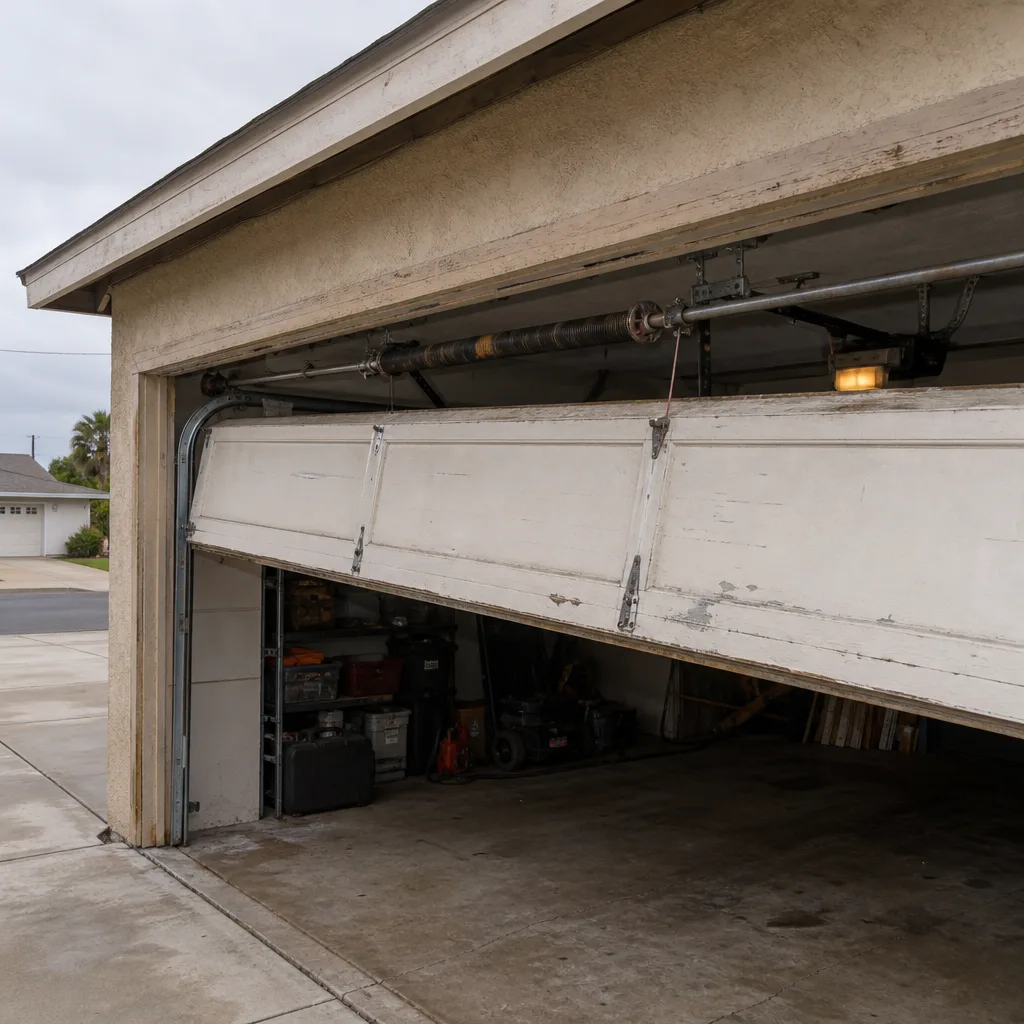
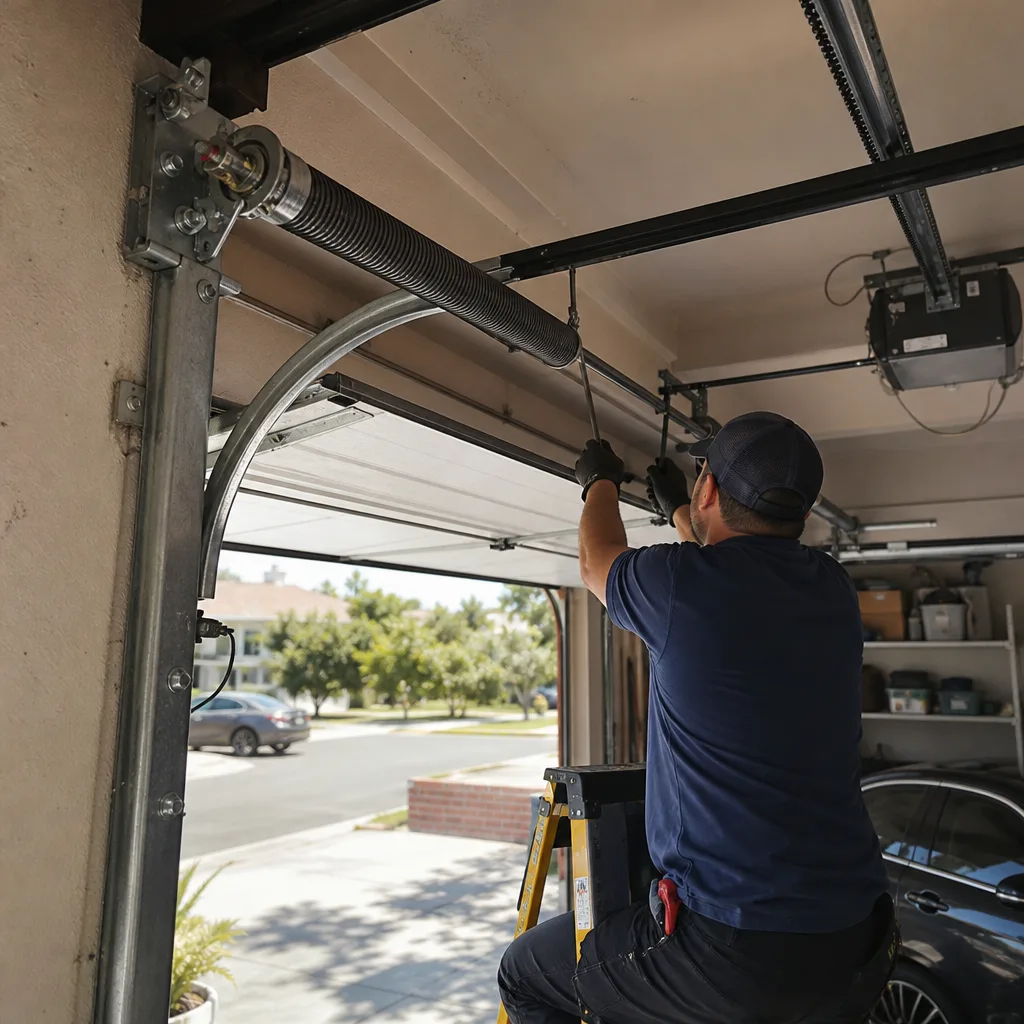
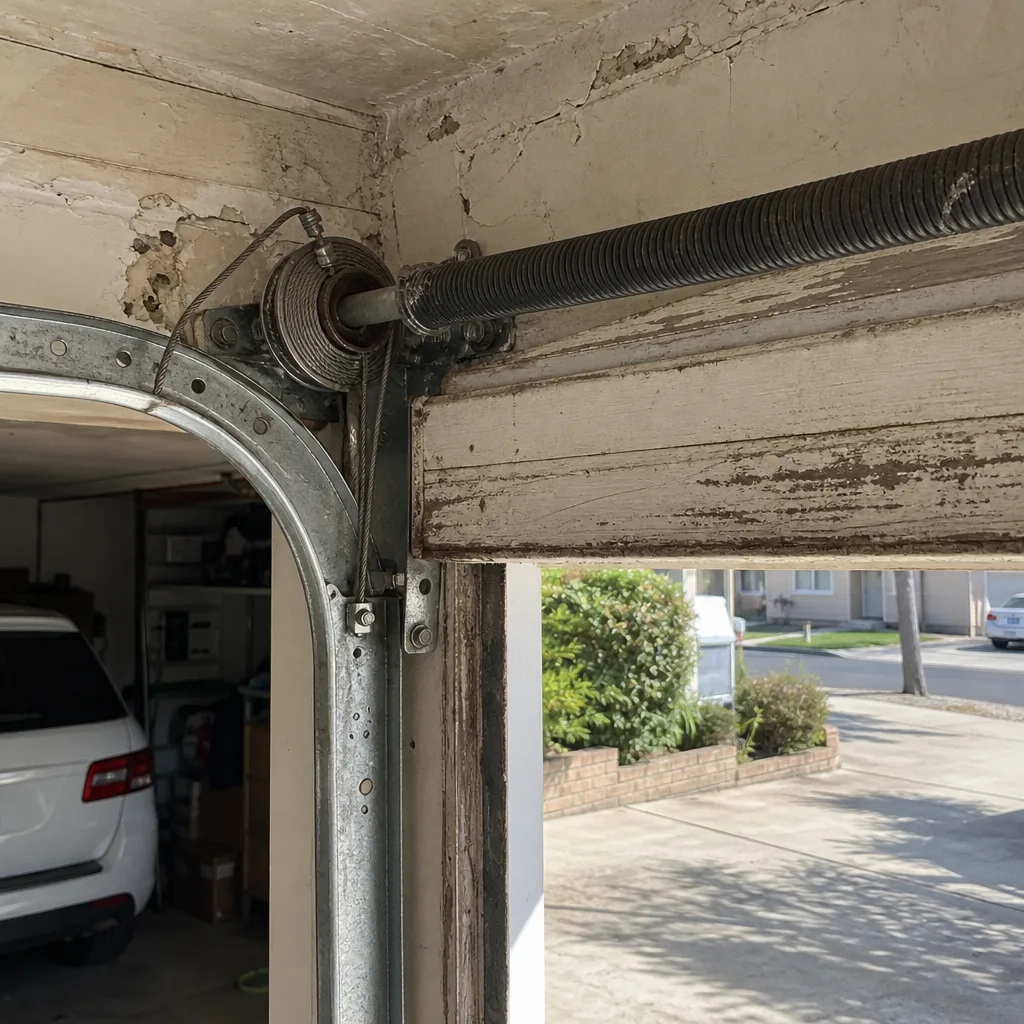
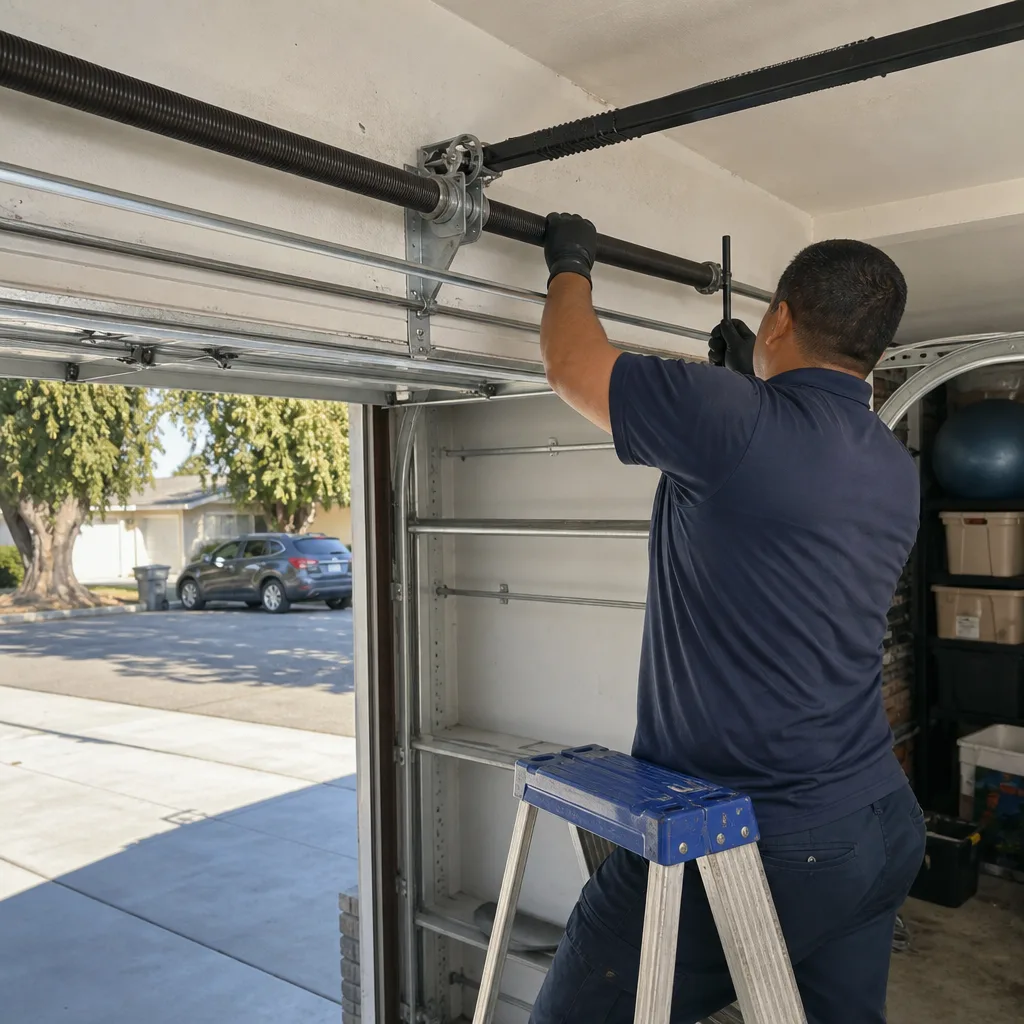
See the difference
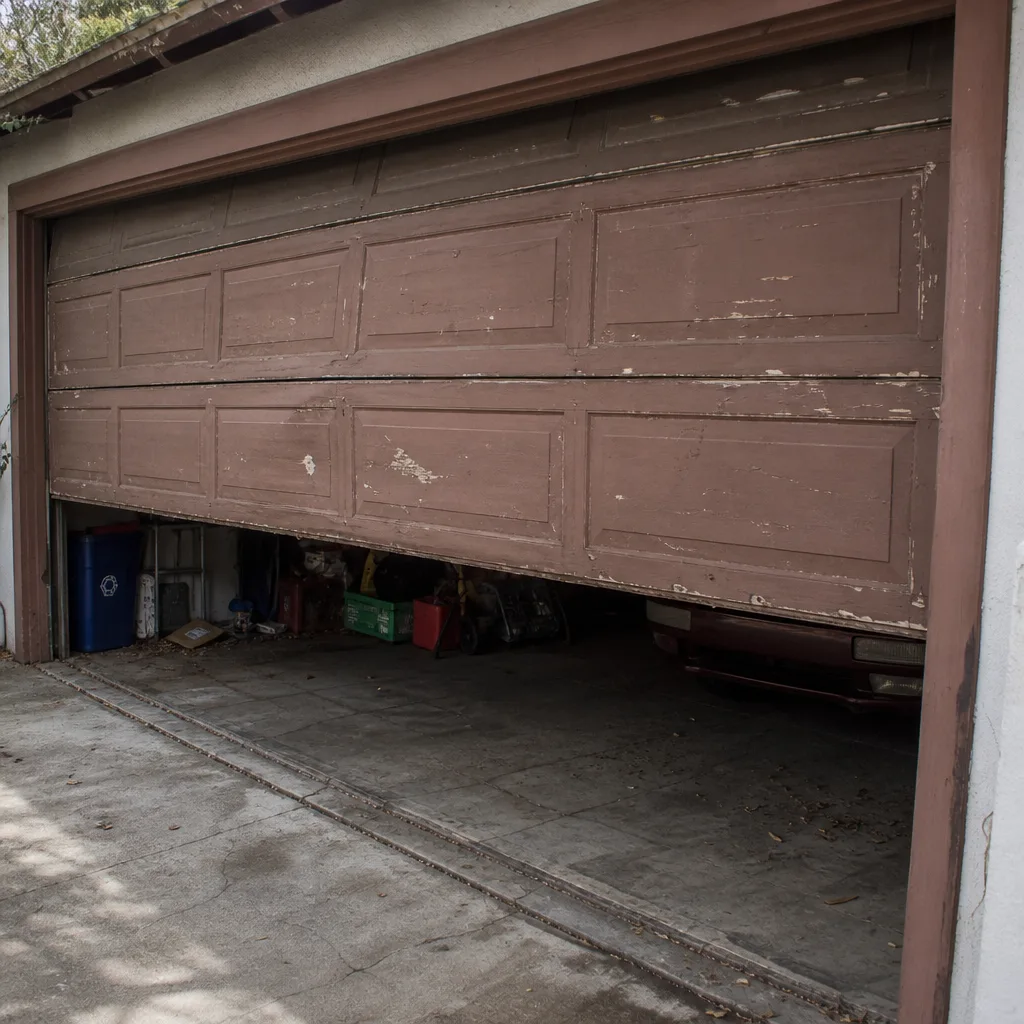 Before
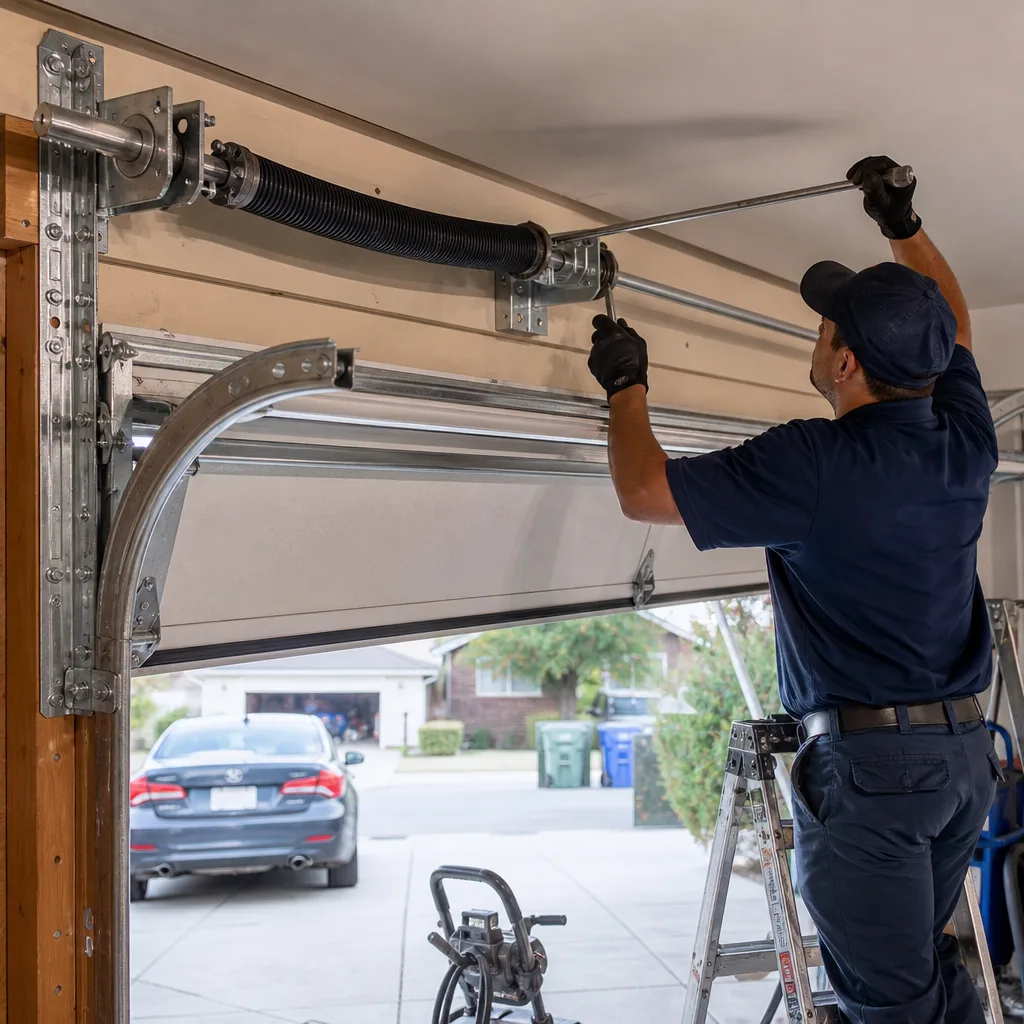 After
 Before
 After
 Before
 After