
Last updated October 30, 2026
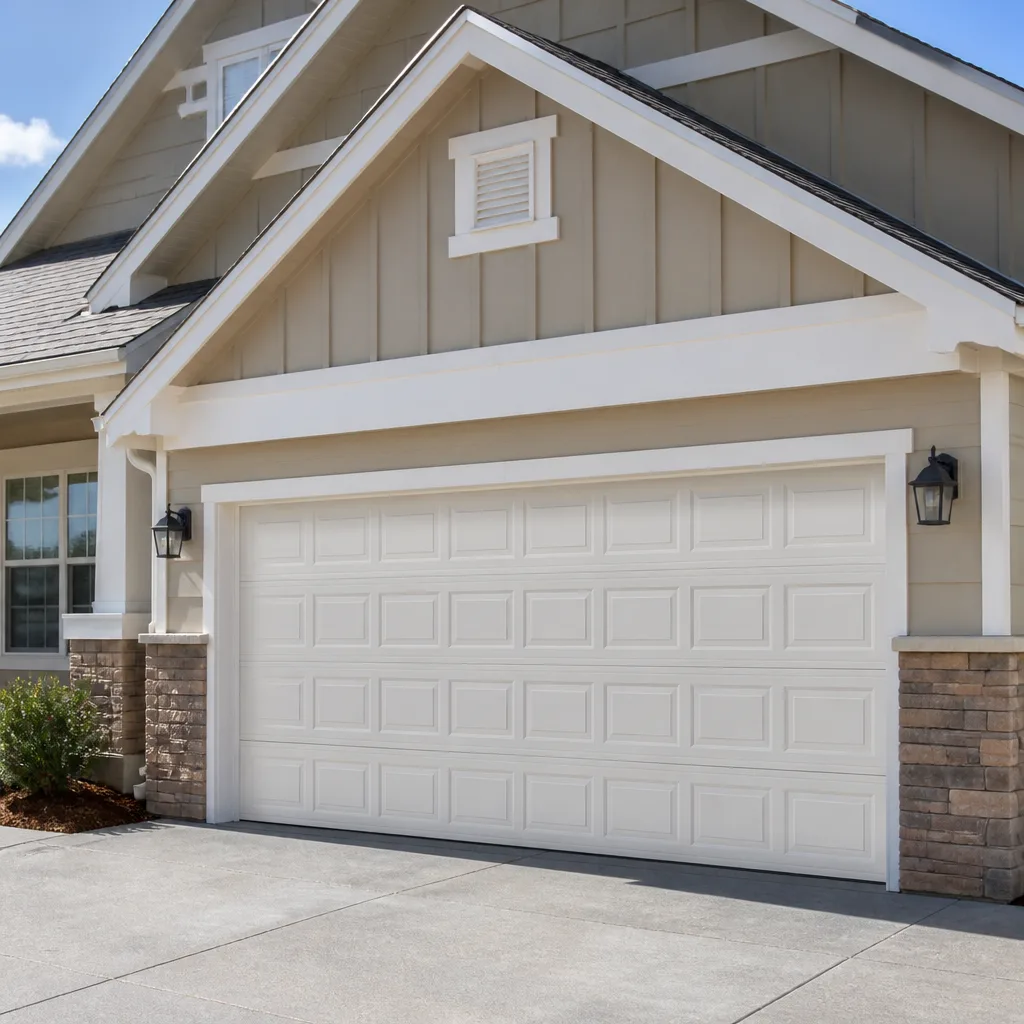 Raised-panel steel
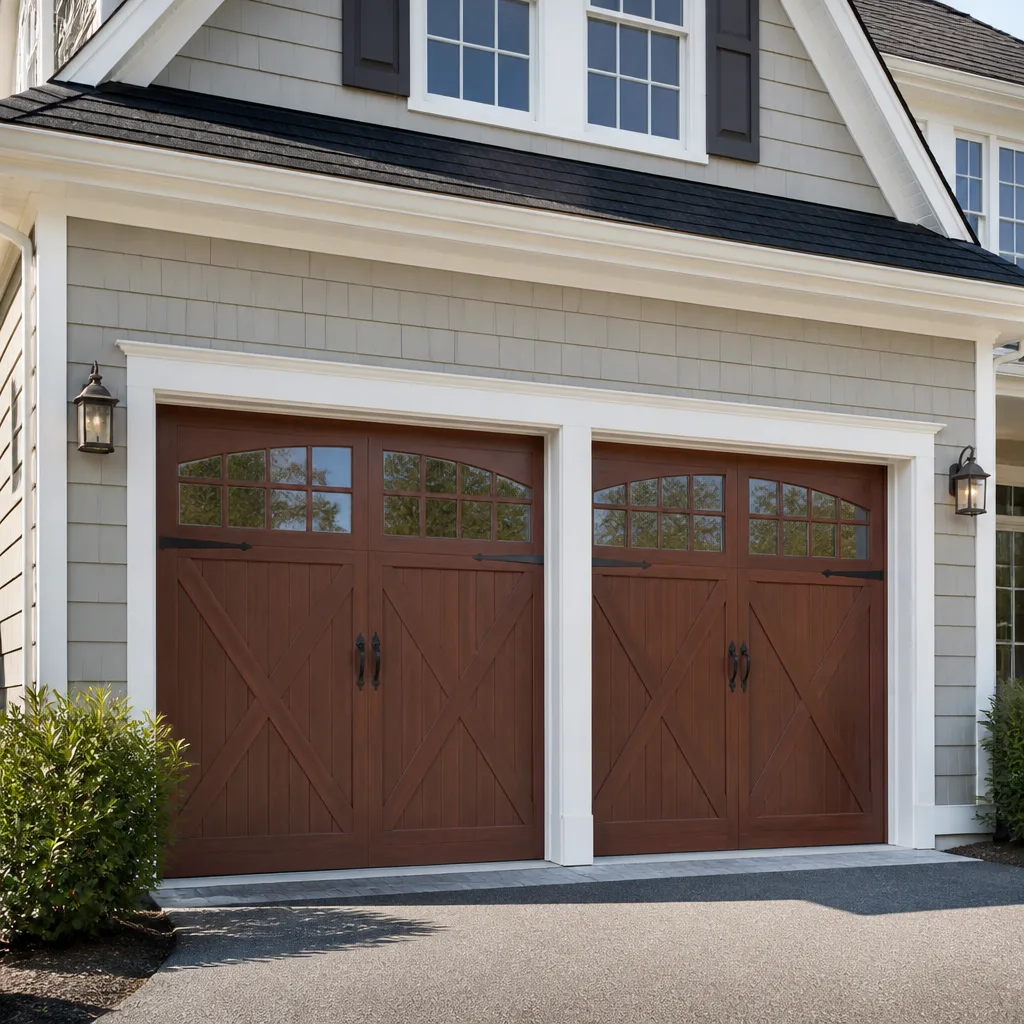 Carriage house
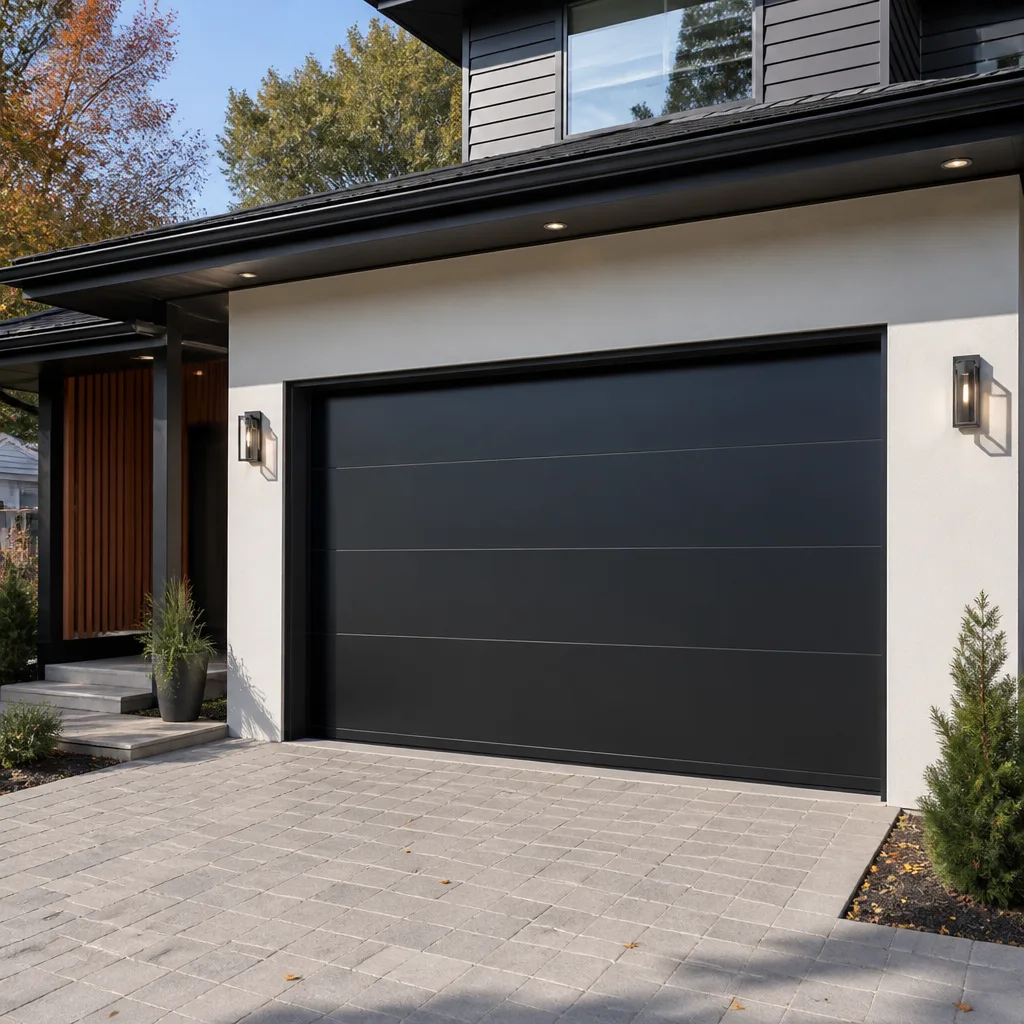 Modern flush
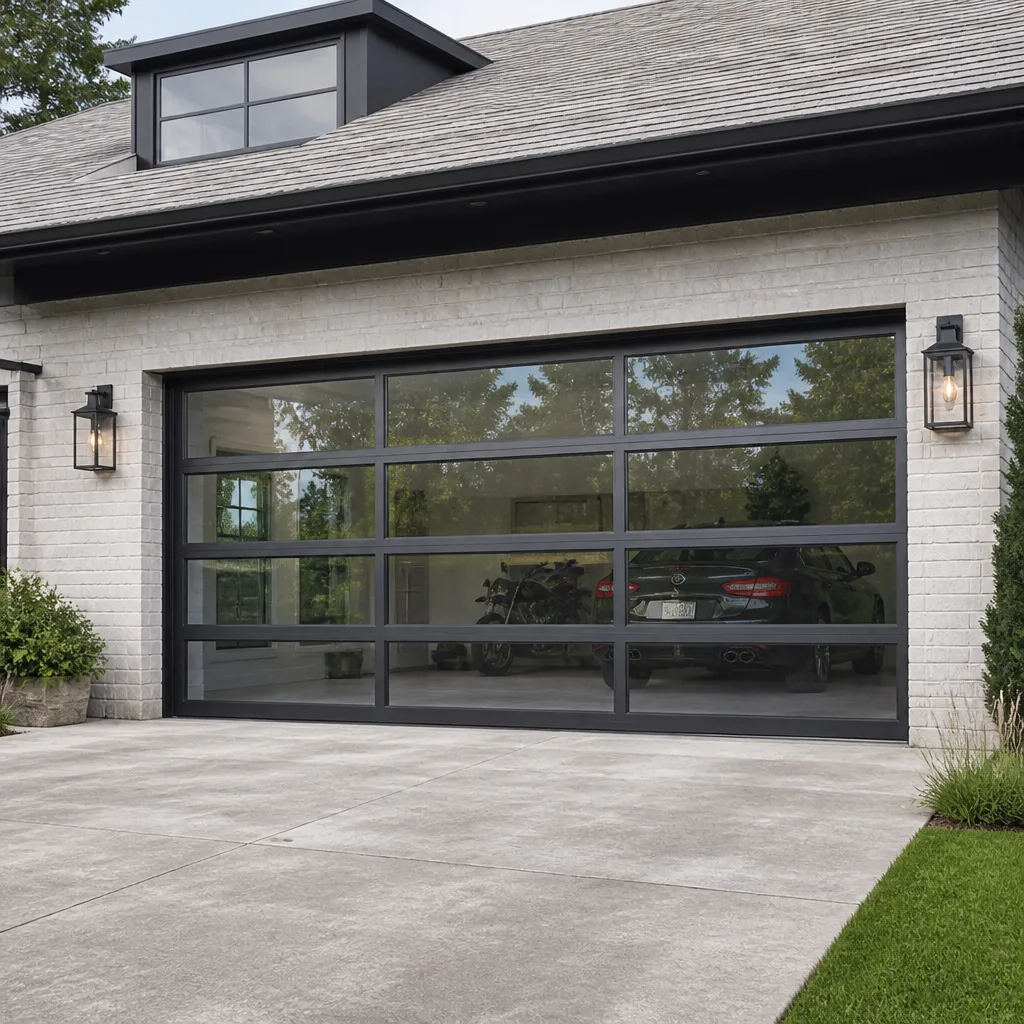 Full-view glass
 LiftMaster openers
 Chamberlain openers
Full 25-point door and opener safety check with every visit - springs, cables, rollers, tracks, and your LiftMaster or Chamberlain opener included
You get a price before we start. It does not change when the truck arrives.
Get your free estimateDIY vs Professional Garage Door: The Los Angeles Homeowner’s Decision Guide
A garage door weighs between 130 and 400 pounds depending on the material, and the torsion spring that lifts it is wound tight enough to store roughly the kinetic energy of a small car at low speed. When that spring snaps, it doesn’t sag quietly. It releases all of that energy at once. In Los Angeles, where attached garages are standard in homes from Westchester to Woodland Hills, the question of whether to fix a door yourself isn’t really about mechanical aptitude. It’s about which risks you’re comfortable absorbing. This guide breaks down what’s genuinely safe to handle, what isn’t, what each path actually costs in the LA market (see our Garage Door Cost Breakdown: The Los Angeles Homeowner’s Reference for 2026), and how to make the call without getting hurt or overpaying.
Styles & brands we work with
Quick Answer
For most Los Angeles homeowners, DIY is reasonable for lubrication, sensor realignment, and remote programming, but spring replacement and cable work belong with a licensed professional. The components that fail most often are also the ones that cause the most injuries. If your door is off its tracks, has a snapped spring, or has cables that look frayed, call a Los Angeles garage door repair service with brand-specific experience before touching anything.
Table of Contents
- The Real Risk: It’s Not About Skill, It’s About Stored Energy
- What’s Genuinely DIY-Safe in Los Angeles
- What You Should Never DIY (And Why Pros Won’t Either Without Training)
- The Honest Cost Comparison: DIY vs Professional in Los Angeles
- California Contractor Law, Insurance, and Your Resale Disclosure
- When DIY Makes Sense (And When It Doesn’t)
- Common Mistakes to Avoid
- When to Call a Professional
- Frequently Asked Questions
- The Bottom Line
The Real Risk: It’s Not About Skill, It’s About Stored Energy
A garage door seems simple from the outside. You push a button, it goes up. You push again, it goes down. What most homeowners in Los Angeles never see is the spring assembly above the header, where a torsion spring is wound to a specific tension based on the door’s exact weight. Standard residential torsion springs are wound through seven to eight full rotations. That winding stores an enormous amount of mechanical energy in a small steel coil.
When a spring snaps, the sound is often described as a gunshot. In homes across the San Fernando Valley and the Westside, we’ve had customers tell us they thought someone had broken in. The spring doesn’t just stop working. It fractures and releases torque instantly. If you’re standing on a ladder near that spring when it fails, or if you’re trying to wind one yourself with the wrong tools, the consequences can be severe. Lacerations from the spring’s sharp broken edges, falls from ladders, and blunt force injuries to the face and hands are the injuries emergency rooms see from garage door DIY gone wrong—exactly why our Garage Door Emergency Preparedness Guide for Los Angeles Homes covers what to do when failure happens.
This is the part YouTube tutorials underplay. You can watch a 10-minute video of someone winding a spring with a pair of steel rods and think it looks manageable. What the video doesn’t show is the strength required to control the winding bars if the spring slips, the specific technique for keeping your body out of the arc of failure, and what happens if the door’s weight calculation is off by even 20 pounds. The reason professionals treat spring replacement as a non-negotiable professional job isn’t liability. It’s physics.
Los Angeles housing stock compounds this. Many homes built between the 1940s and 1980s, from Echo Park to Reseda, have heavy wooden doors that were later retrofitted with openers. Those conversions often mean mismatched springs, improvised cable routing, and doors that weigh more than their springs were rated for. That’s a recipe for a spring that fails early and violently.
What’s Genuinely DIY-Safe in Los Angeles
Not everything on your garage door requires a service call. Some maintenance tasks are genuinely safe and worth learning. Here’s what you can handle yourself with basic tools and a little patience.
1. Lubrication
Garage doors in Los Angeles deal with a specific combination: salt-tinged coastal air near the beach cities and fine dust inland. That mix gunks up rollers, hinges, and springs faster than you might expect. A white lithium grease or silicone-based lubricant applied to the hinges, rollers, and the top of the rails every six months is a safe, effective DIY task. Avoid WD-40. It’s a solvent, not a lubricant, and it’ll strip what little protection remains. This task requires no disassembly and keeps you nowhere near tensioned components.
2. Sensor Alignment
If your door starts closing and then reverses for no obvious reason, check the photo-eye sensors mounted on either side of the door track, about six inches off the ground. They should face each other with aligned beams. A gentle nudge to straighten a knocked sensor, or a wipe of the lens, solves a surprising number of “broken door” calls in LA. This is a 5-minute job that requires no tools and no risk.
3. Remote and Keypad Programming
Programming a replacement remote or resetting a keypad code is a straightforward process for most major brands, including LiftMaster, Chamberlain, and Genie. The steps vary by model, but the manufacturer instructions are usually clear. You’ll be pressing buttons on the opener unit and the remote in sequence. There’s no disassembly involved and no contact with the spring system.
4. Visual Inspections
Walk around your door once a quarter and actually look at it. Check the cables on both sides for fraying. Look at the spring above the header for gaps or rust. Watch the door as it moves through its full cycle. Does it hesitate? Does one side dip? Does it sound different than it did three months ago? Catching a problem at the “looks wrong” stage is dramatically cheaper than waiting for the “sounds like a gunshot” stage. This is the highest-value DIY task in this entire guide, and it costs nothing.
What You Should Never DIY (And Why Pros Won’t Either Without Training)
Torsion Springs
This is the one component where the stakes are highest. The torsion spring is under constant tension, even when the door is closed. Replacing one means unwinding the old spring, which stores energy like a loaded weapon, and winding the new one to a precise tension. The winding bars used for this job are two 18-inch steel rods inserted into the spring’s winding cone. If a bar slips while you’re under tension, it becomes a projectile moving with enough force to break bone. In a city the size of Los Angeles, ambulances are not far away, but that doesn’t make the physics any less dangerous. We work on doors from Craftsman and Raynor installations regularly, and the spring assemblies on older Craftsman doors in particular are often rusted past smooth operation. That makes unwinding even more unpredictable.
Cables
The lift cables run from the bottom brackets up and over the drums at the top. They also carry door weight. A frayed cable under load can snap without warning, and the end of a steel cable whipping free can cut through clothing and skin. If you see a cable that’s frayed or starting to unravel on a Los Angeles door, close the door gently and do not stand near the cable’s path. This is a professional repair, full stop.
Bottom Brackets
The bottom brackets are where the cables attach to the door itself. Replacing them requires removing cable tension, which brings us right back to the stored-energy problem. A bottom bracket failure on a heavy wooden door in an older Hollywood Hills home isn’t a hardware swap. It’s a rigging job with a loaded cable attached.
Track Repairs and Door Removal
If your door is off its tracks, do not attempt to lift it back into place. The full weight of a 300-pound door suspended at an angle can shift and drop. Sections of a sectional door weigh 40 to 70 pounds each, and a falling panel can crush feet or pin fingers. This is where the risk profile goes beyond springs and includes the door itself.
The Honest Cost Comparison: DIY vs Professional in Los Angeles
Let’s look at the numbers without stacking the deck. The honest answer is that DIY sometimes saves money, and sometimes costs you more than hiring a pro would have in the first place.
Typical Los Angeles Garage Door Repair Costs
- Torsion spring replacement (both springs): $220 – $400 in parts if you DIY. Typical professional install in LA: $300 – $500 including labor, parts, and balancing. The gap narrows when you factor in what a wrong spring or a failed winding bar costs.
- Cable replacement: $35 – $80 in parts. Professional: $180 – $300 including tensioning and safety check.
- Sensor realignment or cleaning: Free if you DIY. Professional service call in LA: $85 – $160.
- Remote replacement and programming: $30 – $60 for a generic remote online. OEM Chamberlain or LiftMaster remote: $45 – $90. If programming goes smoothly, you save the service fee. If you buy the wrong frequency remote, you’ve spent money and still need to call someone.
- Full door replacement (16×7 steel, basic insulation): $1,800 – $3,800 installed in the Los Angeles market. DIY kit: $900 – $1,600, plus disposal of the old door. The installation is a two-person job requiring specific tools and a truck to dispose of the old panels. Most LA homeowners do not have both.
The error rate matters in this math. If you attempt a spring replacement and get the wind count wrong, the door won’t balance. If you force it, the opener strains and burns out. A $300 Chamberlain opener replacement is now in the picture. The same goes for cables. An incorrectly routed cable can derail an otherwise healthy door. The parts for these jobs aren’t the expensive part. The expertise is what keeps a $40 part from becoming a $900 cascade.
California Contractor Law, Insurance, and Your Resale Disclosure
California requires a contractor’s license for any work valued at $500 or more in labor and materials combined; for full details, see Garage Door Permits, Codes & Inspections in CA: What You Need to Know. That threshold matters for garage door work. A basic spring replacement with parts and labor can approach or exceed $500, which means the person doing the job needs a California Contractors State License Board (CSLB) license with the appropriate classification. Any unlicensed individual charging more than that threshold is operating illegally, and your homeowner’s insurance won’t protect you if an unlicensed worker is injured on your property.
This cuts both ways. If you hire an unlicensed handyman off a neighborhood app to replace a spring and he gets hurt, you could be personally liable for his medical costs. Your insurance policy likely has an exclusion for unlicensed contractor injuries. In Los Angeles, where garage door work is a frequent source of injury claims, this is not a theoretical concern.
There’s also the resale disclosure angle. California’s seller disclosure forms include questions about structural components and systems. A garage door that was repaired without permits or by unlicensed labor isn’t a disclosure line item in most cases, but an improperly repaired door that fails during a home inspection will show up. Buyers in Los Angeles are increasingly specific about garage condition, especially in neighborhoods like Mar Vista and Eagle Rock where the garage doubles as storage, workspace, and sometimes an ADU conversion anchor. An inspection note that says “garage door spring installation appears non-standard” is a negotiation point against you.
When DIY Makes Sense (And When It Doesn’t)
The decision isn’t binary across all garage door issues. It depends on the component, the age of the door, and the scope of the work.
DIY Makes Sense When:
- The door is under 10 years old and the problem is lubrication-related noise or sticking.
- The issue is a misaligned photo-eye sensor or a dead remote battery.
- You’re doing quarterly visual inspections and tightening visibly loose hinge bolts (not cable bolts, not spring bolts).
- You’ve already learned the specific maintenance schedule for your door’s make and model.
DIY Does Not Make Sense When:
- The spring is snapped or showing a visible gap.
- Any cable looks frayed, rusted, or is off the drum.
- The door is off its tracks or hanging unevenly.
- The door is older than 15 years and you’ve never had the spring inspected.
- You’re considering a full door replacement and the old door disposal is part of the project.
- Permits or structural modifications are involved, as with some garage conversion projects in Los Angeles.
Here’s a scenario we see in Los Angeles regularly: a homeowner in Atwater Village has a 2004-era Craftsman opener and a door that’s getting heavy to lift manually. The opener motor is straining. The homeowner buys a new Chamberlain belt-drive opener online and plans a weekend install. The opener swap goes fine. Then they notice the door doesn’t balance, because the original springs were never re-rated for the door’s actual weight and the new opener’s force settings are fighting a door that’s too heavy. Now you have a new opener on a broken spring system. That’s a $450 opener install riding on a $200 spring problem that will burn out the opener in a year. This is exactly the kind of cascade a brand-informed professional would have flagged before the new opener went in.
Common Mistakes to Avoid
- Using the wrong lubricant on your door. WD-40 and penetrating oils strip protective coating and attract dust. In Los Angeles, that dust is everywhere. Use white lithium grease or a silicone spray formulated for garage doors.
- Buying the wrong spring online. Spring size and wind direction vary by door weight and configuration. A spring that’s 10% off on weight rating will cause balance problems that accelerate wear on every other component.
- Ignoring the opener’s force settings after a repair. When the door’s balance changes, the opener’s force limits need adjustment. Running an opener on a mis-balanced door burns out the motor and strips the gear.
- Forcing a door that’s stuck. If the door won’t move and you hear the opener straining, something is mechanically bound. Continuing to press the button or yanking the manual release under load is how doors get pulled off their tracks.
- Hiring an unlicensed handyman for spring work. In California, the $500 licensing threshold means any legitimate spring replacement should be done by a licensed contractor. An unlicensed worker injured on your property is a liability you don’t want.
- Focusing on the door and ignoring the opener system. Your opener is its own system with its own diagnostics. Many “door problems” in Los Angeles homes are actually opener force-setting issues, limit switch failures, or sensor wiring problems. Replacing the door when the opener is the problem wastes thousands.
- Doing nothing at all. The most expensive garage door repair is the one that could have been prevented. A visible cable fray in January becomes a snapped cable and a dropped door in July. Quarterly inspections cost nothing and catch most failures before they cascade.
When to Call a Professional
Call a professional if you see a snapped spring, a frayed cable, a door that’s off its tracks, or a door that’s suddenly heavy to lift manually. Also call if your opener is grinding, smoking, or reversing on its own in ways that sensor realignment doesn’t fix. If you’ve tried the DIY-safe tasks and the problem persists, the issue is likely mechanical and located somewhere under tension. A door that’s being replaced entirely belongs with a professional crew that can handle the old door’s removal and disposal.
Chaparral Garage Door Repair offers free estimates in Los Angeles. We work on the brands you’re most likely to have on your home, including LiftMaster, Chamberlain, and Craftsman. Call (866) 472-6497 if you need a professional who can explain what they see.
Frequently Asked Questions
Professional spring replacement in Los Angeles typically runs $300 to $500 for both springs including labor and balancing. DIY parts alone cost $220 to $400, but you also absorb the injury risk and the error cost if the door doesn’t balance correctly. Call (866) 472-6497 for an exact quote. Estimates are free.
No, cable replacement is not DIY-safe. The cables carry the full weight of the door and can snap under tension. If your cable is frayed, a professional should handle the replacement. Call (866) 472-6497 for cable repair in Los Angeles.
You can safely lubricate hinges and rollers with white lithium grease, clean and realign photo-eye sensors, reprogram remotes and keypads, and perform quarterly visual inspections. These tasks require no contact with springs or cables and keep your door running smoothly between professional checks.
Most straightforward door replacements don’t require a permit in Los Angeles, but any structural modification to the opening, such as widening it or converting the garage to living space, does. If you’re unsure whether your project falls under LADBS permitting, ask the professional you’re working with before any work begins.
Standard torsion springs are rated for roughly 10,000 cycles, which translates to 7 to 12 years for a typical Los Angeles homeowner who opens the door two to three times daily. Coastal areas with salt air can shorten that lifespan. If your door is older than 10 years and you’ve never had the spring inspected, it’s time.
Chaparral Garage Door Repair serves Los Angeles with rapid response for spring failures and door-off-track emergencies. Call (866) 472-6497 and we’ll tell you the soonest available appointment.
No. We quote the full price before any work starts and that price is agreed to before we pick up a tool. The price we quote is the price you pay. Call (866) 472-6497 for a free estimate in Los Angeles.
The Bottom Line
The DIY vs professional question for garage doors in Los Angeles comes down to energy, not ego. Lubrication, sensor checks, and remote programming are safe and worth learning. Springs, cables, and track work are not. The cost difference shrinks when you factor in the error cascade and the insurance risk of unlicensed labor, and it disappears entirely when you consider the injury potential of a misfired winding bar. Inspect your door every quarter, handle the simple maintenance yourself, and call a brand-informed professional for anything under tension. For additional help, explore our more guides & resources. You’ll save money, keep your hands intact, and have a door that opens without drama.
Written by the team at Chaparral Garage Door Repair, serving Los Angeles since 2018.
Ready for a professional to look at your door? Chaparral Garage Door Repair home is your starting point. We work on LiftMaster, Chamberlain, Genie, Clopay, Amarr, Wayne Dalton, Craftsman, and Raynor systems. Call (866) 472-6497 for a free estimate, or explore our Garage Door Repair in Los Angeles page to learn more about our approach.
See the difference
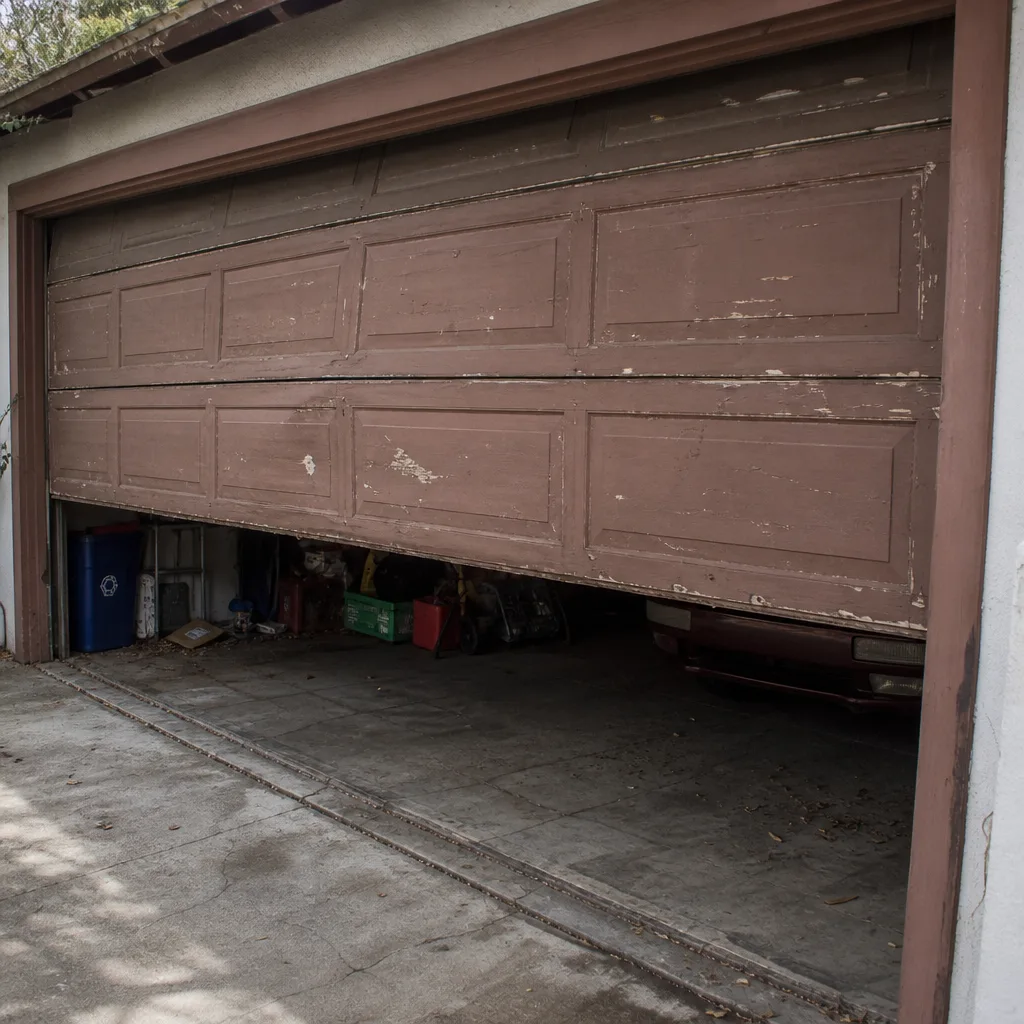 Before
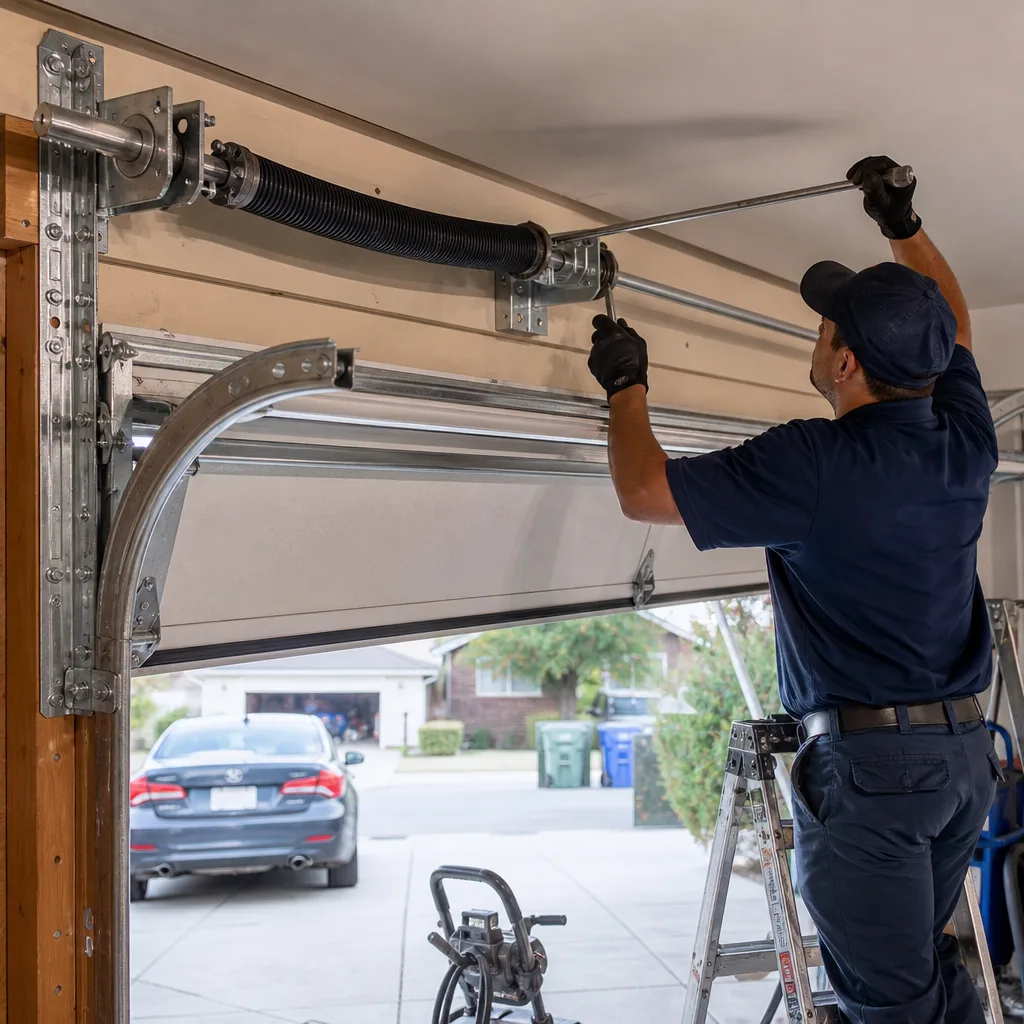 After
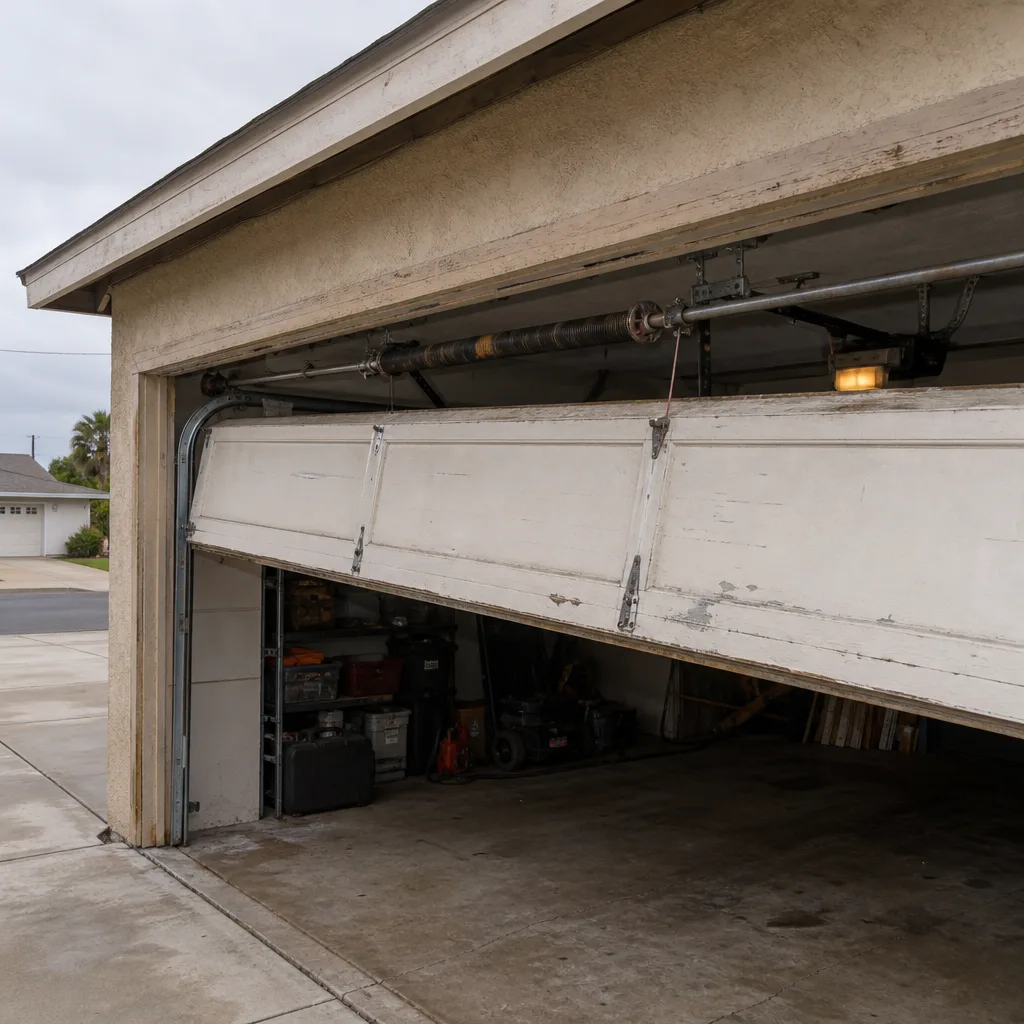 Before
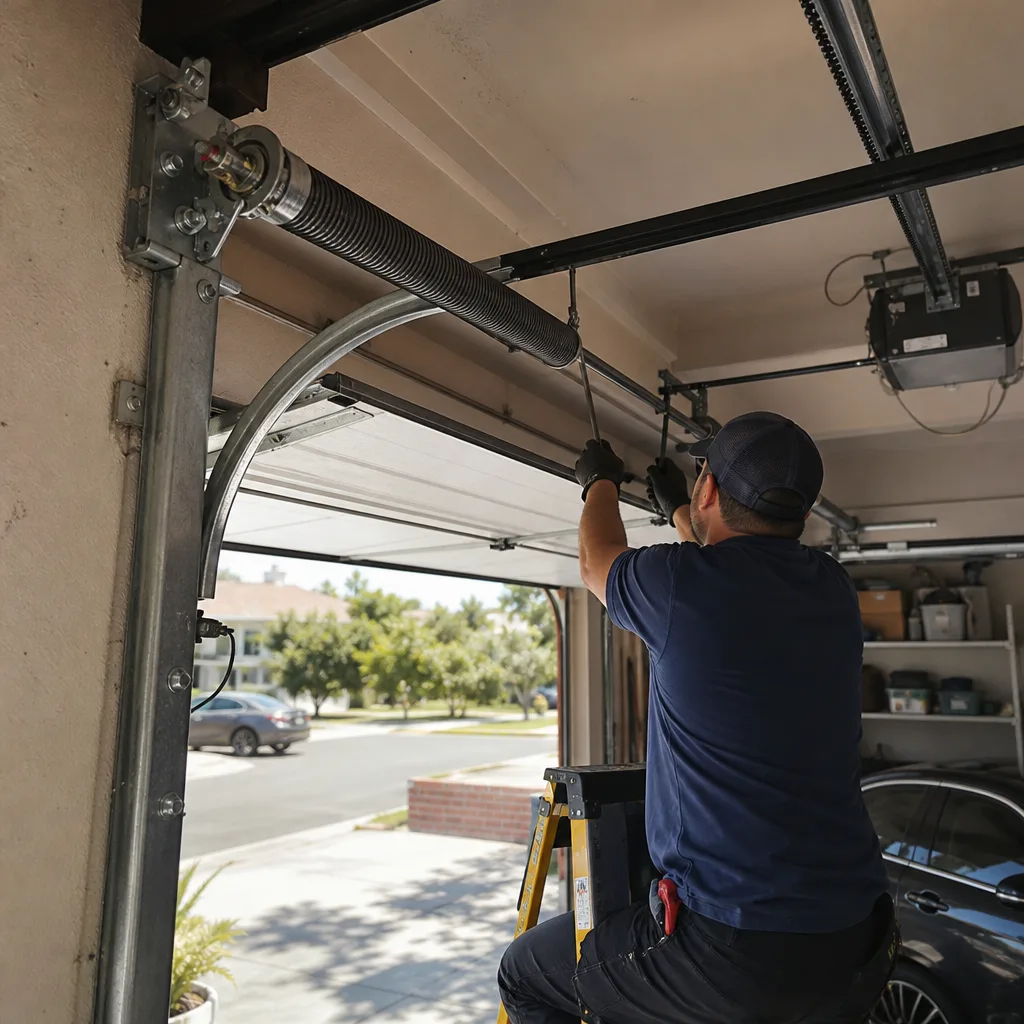 After
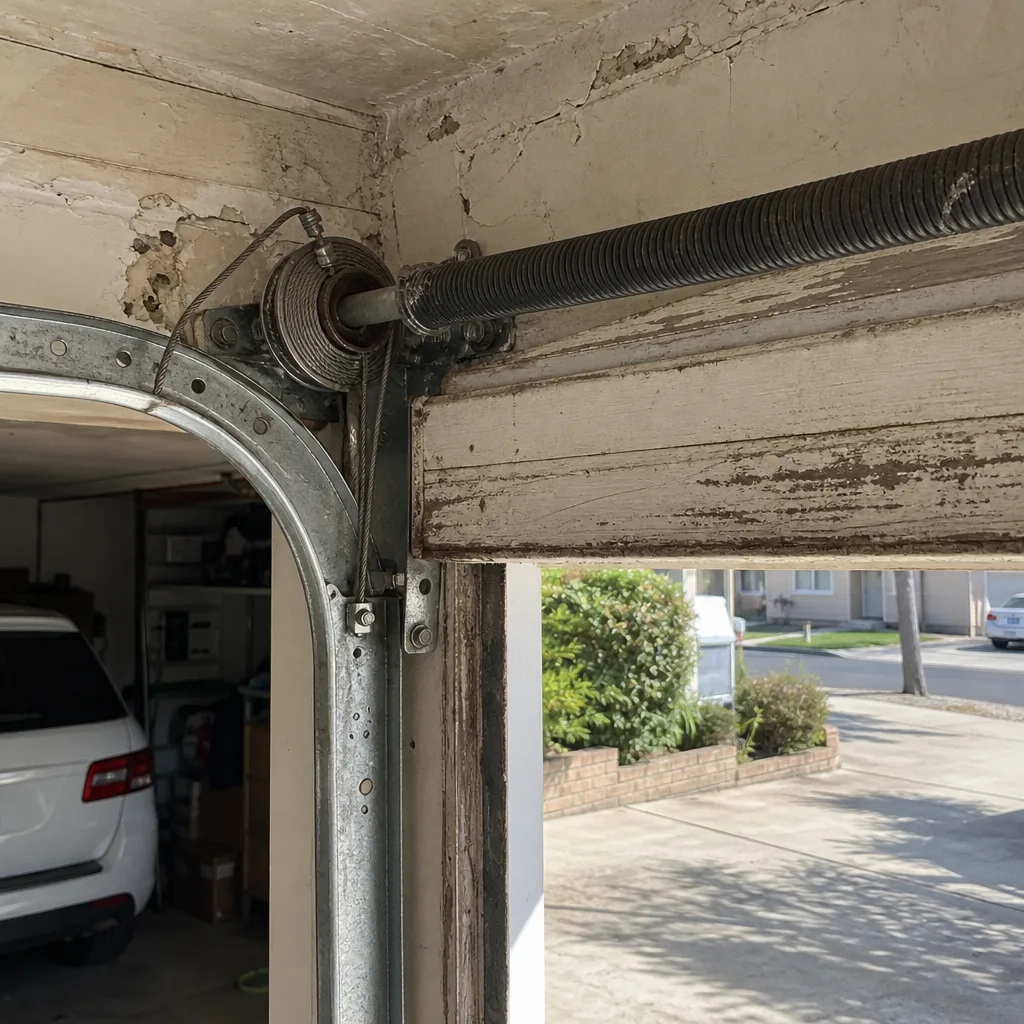 Before
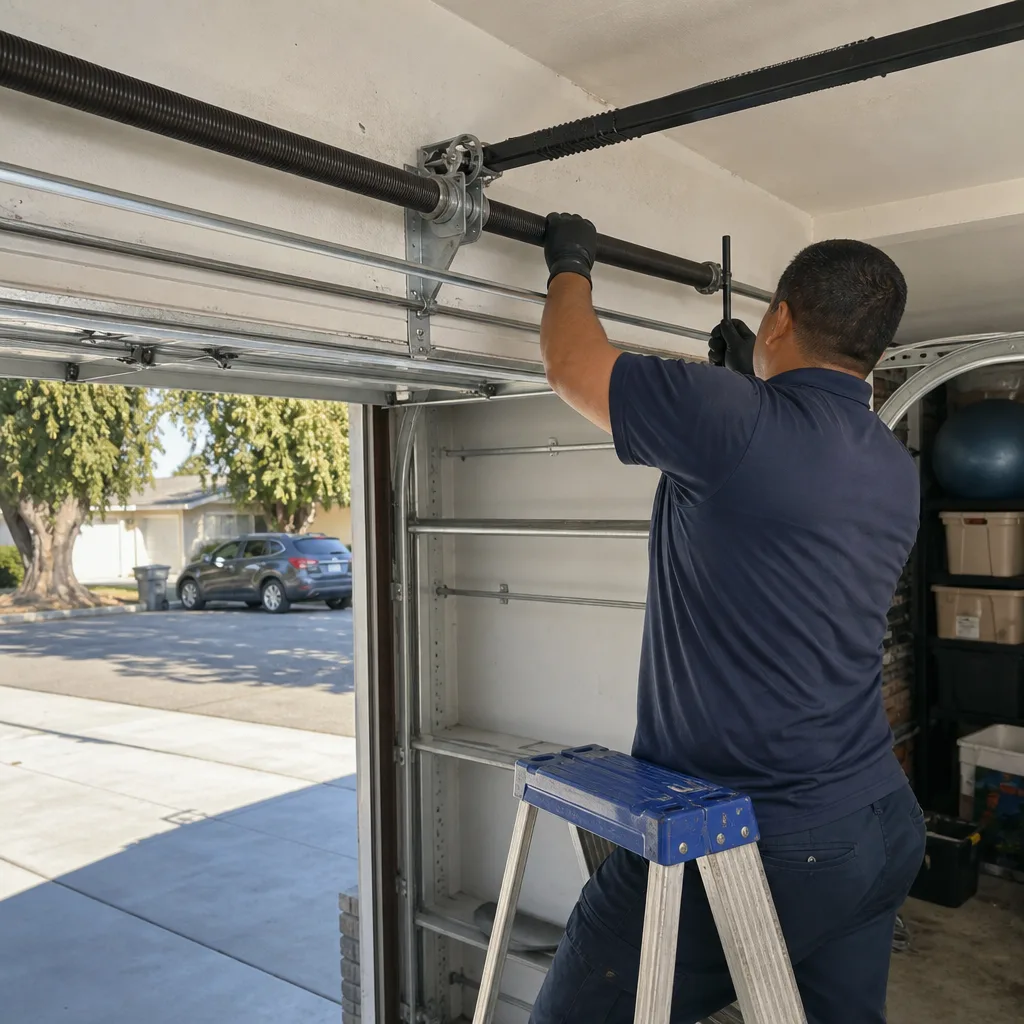 After