
Last updated October 30, 2026
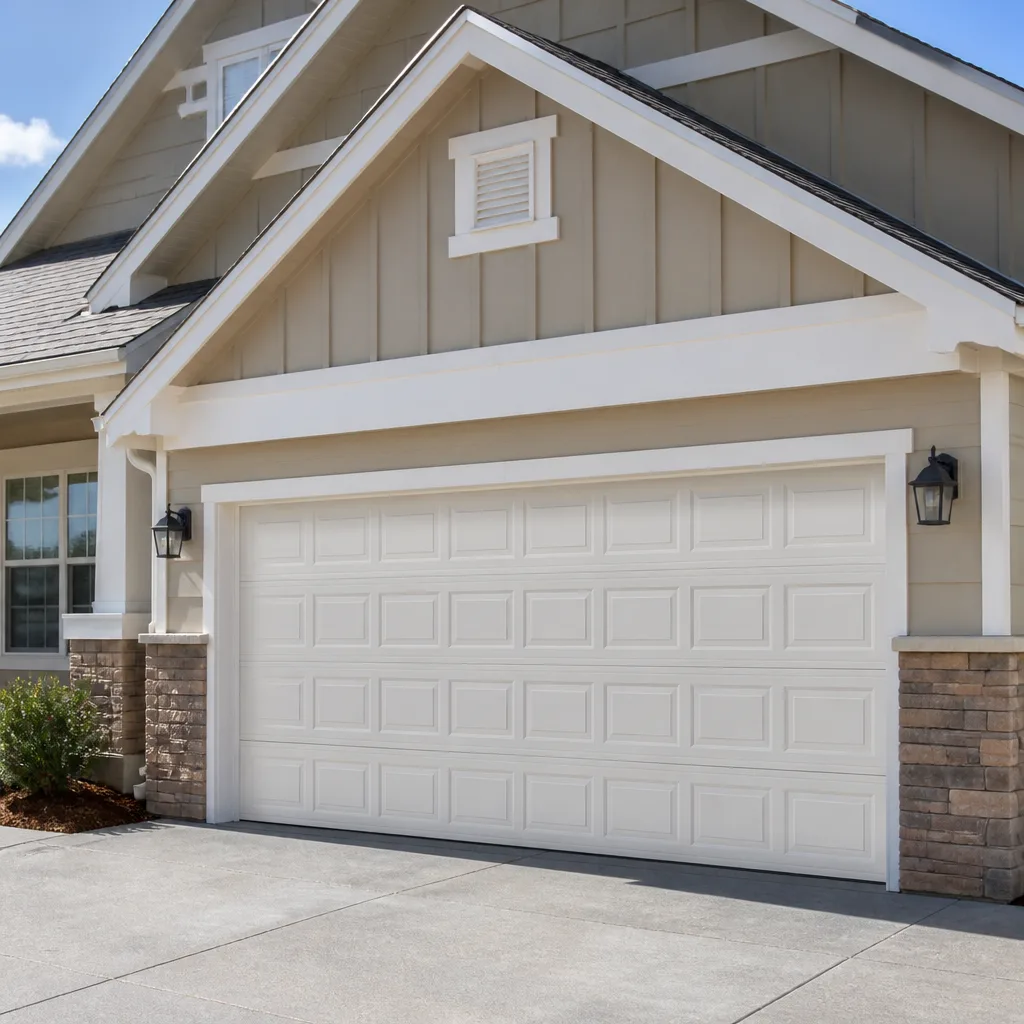 Raised-panel steel
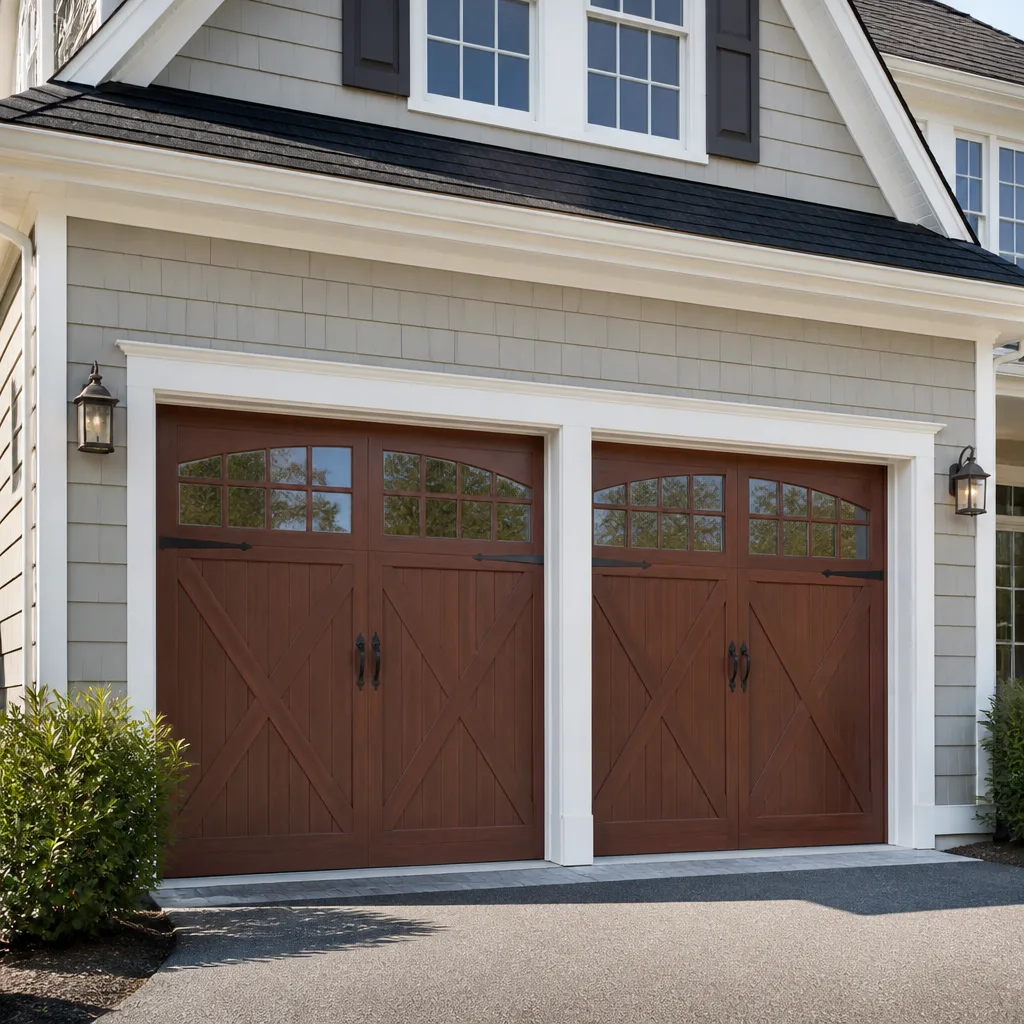 Carriage house
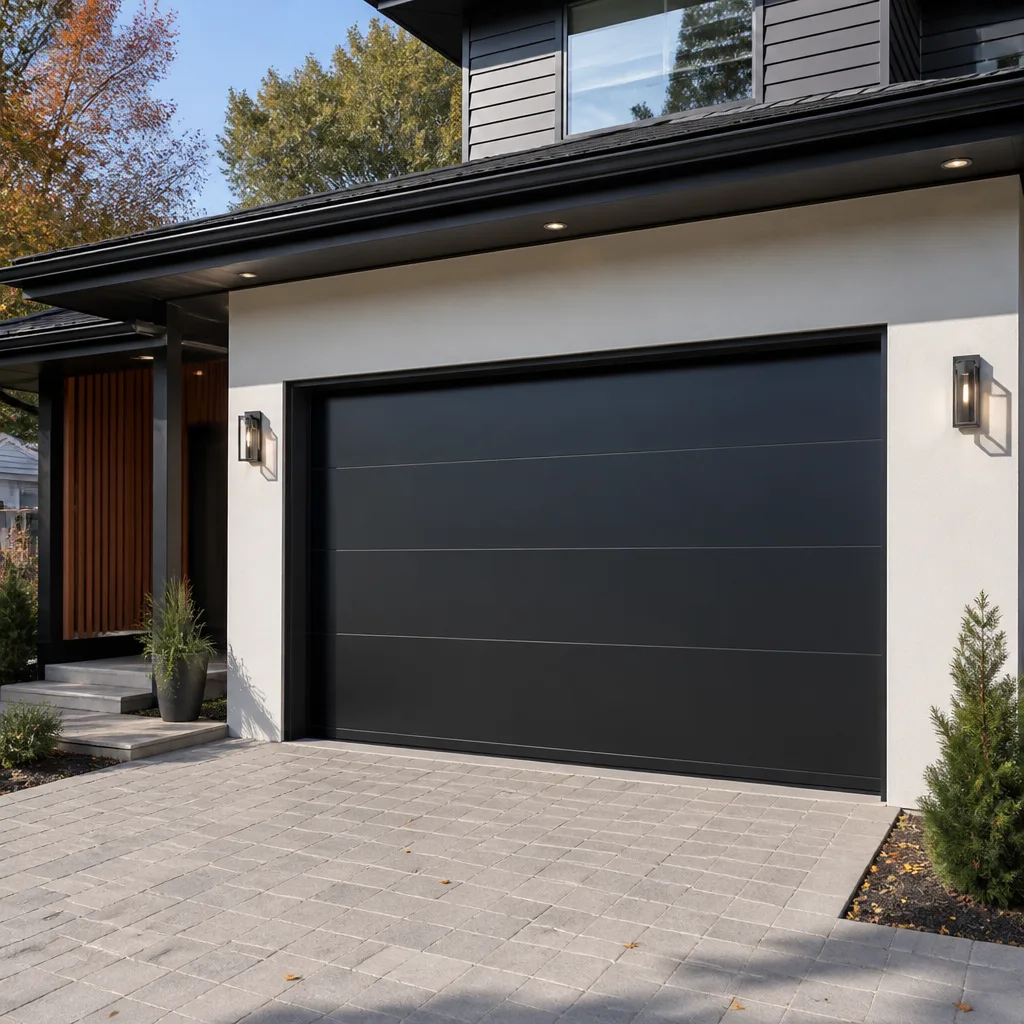 Modern flush
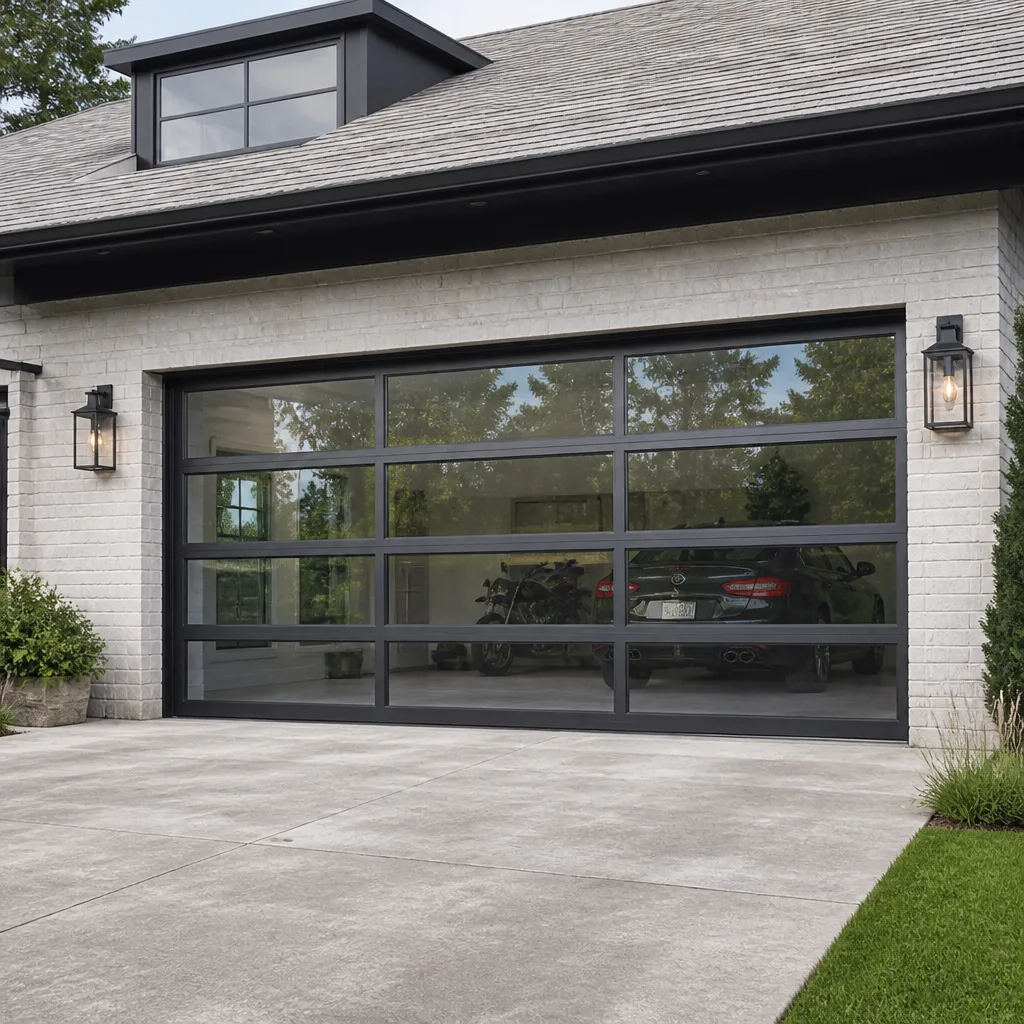 Full-view glass
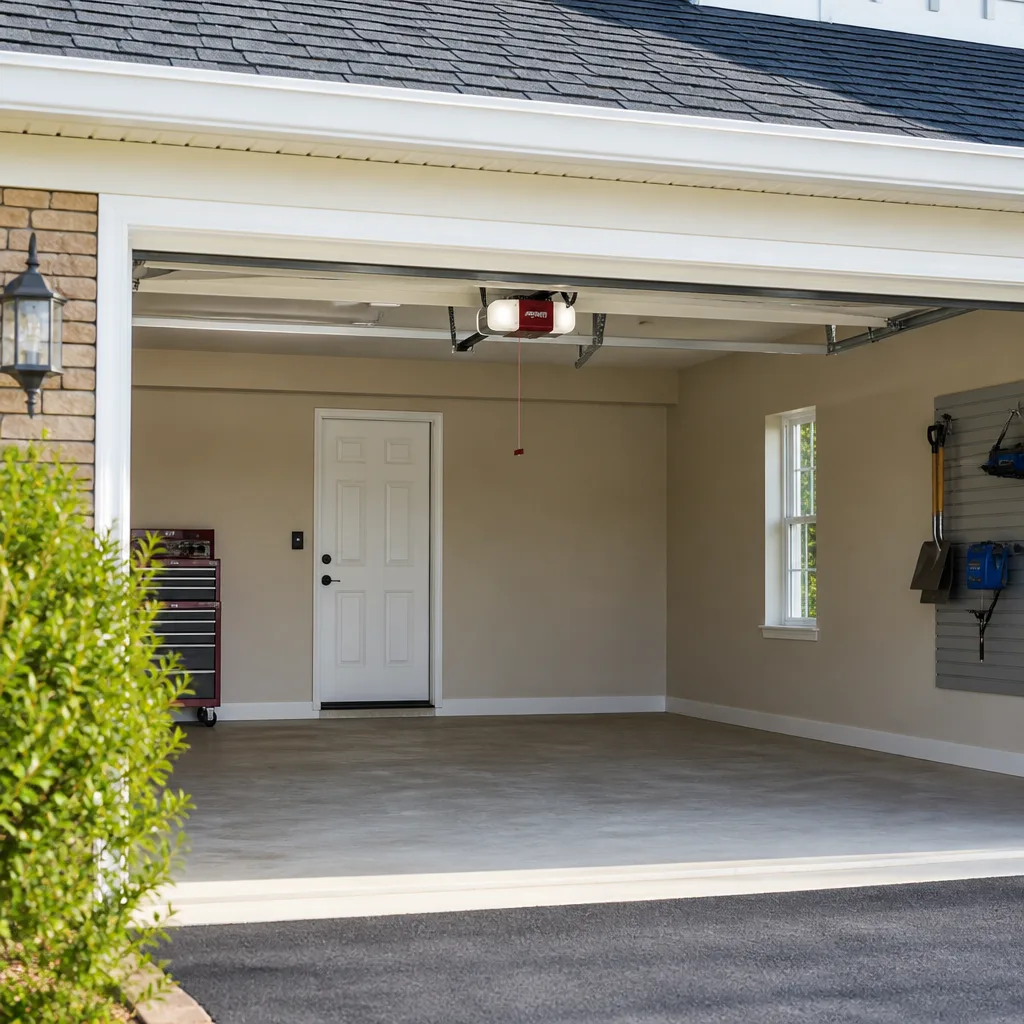 LiftMaster openers
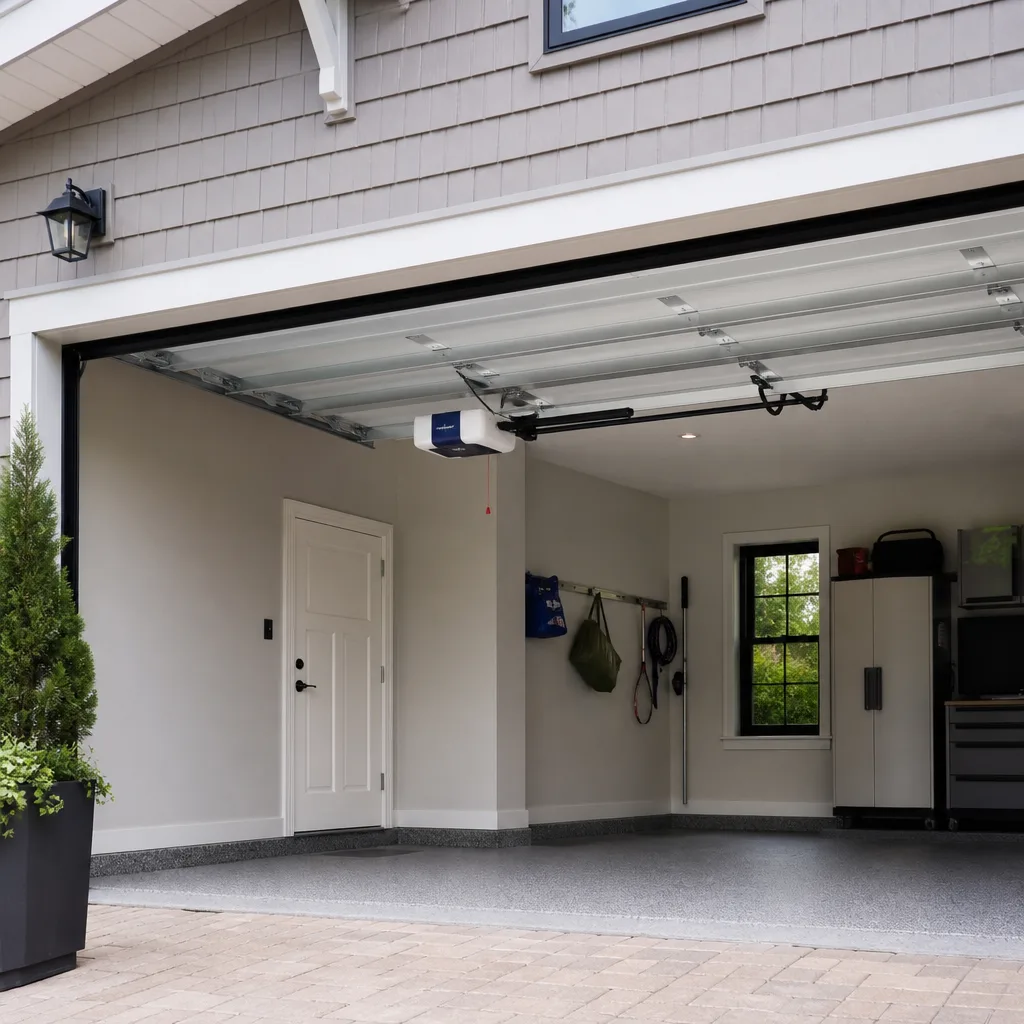 Chamberlain openers
Full 25-point door and opener safety check with every visit - springs, cables, rollers, tracks, and your LiftMaster or Chamberlain opener included
You get a price before we start. It does not change when the truck arrives.
Get your free estimateGarage Door Repair Maintenance Checklist for Los Angeles Homeowners
Here’s a number that surprises most people we talk to: a $12 tube of garage door lubricant, applied twice a year, prevents the single most common service call we get in Los Angeles. And most homeowners don’t know which three parts to actually put it on. They either skip lubrication entirely, or they grease the wrong component and make the problem worse. This guide is a working maintenance checklist built around what actually breaks in Los Angeles, not what a national average says. You’ll learn which monthly checks take five minutes, which annual inspections are worth paying for, and what to do after the next earthquake rattles your tracks.
Quick Answer
The Los Angeles garage door maintenance checklist comes down to this: lubricate rollers, hinges, and springs twice a year, inspect weather seals after Santa Ana wind seasons, check track alignment and wall anchors after any earthquake over 4.0, and test your auto-reverse safety system monthly. Most homeowners can handle the first three themselves. The opener motor internals, spring tension adjustments, and cable replacements belong with a professional trained in our Garage Door Repair services. Set a recurring calendar reminder for every March and September. That single habit prevents the majority of service calls we see in LA.
Styles & brands we work with
Table of Contents
- Why Los Angeles Garage Doors Fail Differently
- Monthly Owner Checks: The 10-Minute Routine
- The Exact Lubrication Map: What to Grease and What to Skip
- Annual Professional Inspection: What’s Actually Worth Paying For
- Post-Earthquake Checks: What to Inspect After Any 4.0+ Tremor
- Brand-Specific Maintenance: LiftMaster, Genie, Chamberlain Quirks
- Common Mistakes to Avoid
- When to Call a Professional
- Frequently Asked Questions
Why Los Angeles Garage Doors Fail Differently
Los Angeles is not Wichita. It’s not even San Jose. Our specific combination of dry heat, coastal salt air, seismic activity, and a housing stock that ranges from 1920s Spanish Revival to 2020s new construction means garage doors here develop predictable, location-specific problems. A maintenance checklist written for the national average misses half of them.
In the San Fernando Valley and inland areas like Sherman Oaks, Encino, and Woodland Hills, summer temperatures regularly pass 100 degrees. That sustained heat breaks down the nylon bushings inside rollers faster than in cooler climates. When a bushing crumbles, the roller develops play, which translates into a door that shakes on its way up and eventually jumps a track. We replace Valley rollers roughly twice as often as coastal ones.
Along the coast, from Santa Monica down through Redondo Beach and San Pedro, salt air corrodes steel hardware. Hinges, brackets, and especially the bottom corners of the door where coastal fog settles show rust and pitting that never appears in Arcadia or Pasadena. Homeowners within three miles of the ocean should inspect their hardware for corrosion every January, even if the door operates fine.
And then there’s the seismic piece, which no national checklist includes. Los Angeles sits on a network of faults. After any 4.0 or stronger tremor, your garage door’s track brackets, wall anchors, and header mounting points should be checked. A quake can shift a lag bolt by a quarter inch, and that’s enough to make a door bind up three months later. The San Fernando Valley experienced this repeatedly in the years after the Northridge quake; we still see doors in Granada Hills and Northridge with subtle track misalignment from old seismic events that were never corrected.
Finally, age mix. Los Angeles has tens of thousands of homes built before 1970, many with original door systems retrofitted with modern openers. That combination, an old mechanical door with a new motorized opener, creates wear patterns that a single-age system never develops. The opener works harder against the older door’s weight and friction. If your home in Mid-Wilshire or Highland Park was built before 1975, your maintenance schedule should be more aggressive than the standard recommendation.
Monthly Owner Checks: The 10-Minute Routine
These are the checks every Los Angeles homeowner can do without tools, without training, and without risk. The entire routine takes ten minutes. Do it on the first Saturday of every month, and you’ll catch most issues before they become emergency repairs.
The Monthly Walk-Through
- Watch and listen to one full open-and-close cycle. Stand inside the garage with the door opening, then closing. Notice any shaking, jerking, or hesitation. A healthy door moves smoothly in one continuous motion. Jerking at a specific point usually means a worn roller or a bent track section. Listen for grinding (metal on metal, usually rollers) versus squealing (usually spring friction) versus a rhythmic clicking (usually a hinge pin).
- Check the auto-reverse safety system. Place a rolled-up towel or a 2×4 flat on the ground where the door closes. Close the door. If it doesn’t reverse within about two seconds of contact, stop using the opener that day and call a professional. In Los Angeles, with the number of children and pets around garage driveways, this is the single most important safety check you’ll ever do. It should never be postponed.
- Look at the cables on both sides. Without touching them, visually inspect the steel cables that run from the bottom brackets up to the spring assembly. Look for fraying, rust, or any individual wire strands sticking out. Cables carry tension. If one shows visible wear, it’s time for professional replacement before it snaps.
- Scan the track for debris and misalignment. The vertical tracks on each side and the horizontal track along the ceiling should form clean, straight lines. If you see a gap between a roller and the track at any point, or if the track shows fresh scratches from roller contact, something has shifted. In Los Angeles, the most common cause is seismic drift, not wear.
- Test the balance manually. Pull the emergency release cord (usually red, hanging from the opener rail). With the door disconnected, lift it manually to waist height and release it. A balanced door stays put. If it falls to the floor or flies up, the springs are out of adjustment. Do not attempt to adjust them yourself. This is a professional job. Re-engage the opener after testing.
Five checks, ten minutes, once a month. That routine alone will catch roughly eight out of ten developing problems before they become breakdowns. And every one of these checks is safe for any homeowner to perform. None of them require touching a spring, a cable, or any component under tension.
The Exact Lubrication Map: What to Grease and What to Skip
Most homeowners lubricate the wrong thing. They spray the track, thinking that reduces friction. It does not. It creates a greasy channel that collects dust and grit, which then grinds into the rollers and accelerates wear. In Los Angeles, with our dust and dry air, that mistake is even more damaging. Here is the exact lubrication map we teach our customers.
What to Lubricate (Twice a Year: March and September)
- Rollers: Yes. Apply a silicone-based or white lithium grease to the roller bearings, not the wheel surface. Nylon rollers have ball bearings inside the stem where it meets the hinge. Steel rollers have bearings in the wheel. A quick shot at the bearing point, twice a year, keeps them rolling instead of dragging.
- Hinges: Yes. Each hinge has a pivot point where the leaf sections meet. One drop of lubricant on each hinge pivot, every time you do the rollers. There are typically eight to ten hinges per door.
- Springs: Yes, but only the surface. Torsion springs (mounted on the bar above the door) and extension springs (stretched along the tracks on either side) both benefit from a light lubricant film. This reduces friction between the coils as they stretch and compress. Do not overload them. A thin, even coat is the goal.
- Bearing plates: Yes, if your door has them. The end bearing plates where the torsion spring bar meets the header hold internal bearings. A small amount of lubricant at each plate keeps the bar spinning freely.
What NOT to Lubricate (Ever)
- Tracks: No, never. Tracks should be dry and clean. If you notice a buildup of grime, wipe them down with a dry cloth. If there’s rust, use a wire brush and leave them bare. Adding grease to tracks does not make a door smoother; it makes the rollers slide instead of roll, turning them into flat-spotted garbage within a year.
- Belts or chains on the opener: No. A belt drive is made of rubber or polyurethane; lubricants degrade those materials. A chain drive can take a very light lubricant, but most modern chains are pre-lubricated from the factory and adding oil just attracts dust. When in doubt, leave the opener drive alone.
- Cables: No. Cables are load-bearing steel under tension. Lubricating them does nothing useful and makes them slippery to handle if a professional ever has to service them. If a cable looks dry, that’s fine. If it looks frayed, that’s a replacement job, not a lubrication job.
We’ve seen doors in Echo Park and Silver Lake that were never lubricated in fifteen years. The springs squealed like a failing transmission, and the rollers had flat spots from dragging. Conversely, we’ve seen doors in Beverly Grove that were over-lubricated by an enthusiastic homeowner who greased the tracks every month. The rollers were ruined, the tracks were caked with black sludge, and the door operated worse than the never-lubricated one. Follow the map. Twice a year. March and September. That’s it.
Annual Professional Inspection: What’s Actually Worth Paying For
There’s a difference between the tasks you can do yourself and the tasks that require specialized knowledge and tools. Some companies blur that line to sell inspections. We don’t. Here’s the honest breakdown of what an annual professional inspection covers, and why it’s worth paying for once a year in Los Angeles.
What a Professional Inspection Actually Covers
- Spring tension measurement: Torsion springs have a finite lifespan, measured in cycles, not years. A professional can measure the current spring tension, calculate remaining life based on the door’s age and usage, and recommend replacement before failure. You cannot do this safely yourself. Under-tensioned springs force the opener motor to work harder, shortening its life.
- Cable wear assessment: A visible fray is an obvious sign, but professional inspection catches internal wear. Cables that have been in service for eight to ten years in Los Angeles’s dry heat can look fine on the surface while developing weak points internally. Professionals know what to look for.
- Track alignment measurement: A pro uses levels and measuring tools to verify that both tracks are plumb and parallel. A track that’s out by as little as an eighth of an inch can cause the door to bind intermittently. In earthquake country, this check is not optional.
- Opener force and travel limit calibration: Openers have adjustable force settings and travel limits. If the force is set too high, the auto-reverse safety mechanism may fail when it’s needed. If it’s set too low, the door reverses halfway down. A professional checks and recalibrates these settings.
- Hardware torque check: Every lag bolt, hinge screw, and bracket fastener is checked for tightness. In Los Angeles’s wood-frame construction, screws can work loose over time, especially in older homes in neighborhoods like West Adams and Jefferson Park.
- Weather seal inspection: The bottom seal and perimeter weather stripping are checked for gaps, cracks, and compression. More on this below, but it’s part of any professional inspection and it matters more in LA than in most cities.
Expect an annual inspection to take 30 to 45 minutes. In Los Angeles, the price typically runs $75 to $150 depending on the company and whether any adjustments are included. An inspection that costs nothing is usually a sales call in disguise. An inspection that costs $300 for the same checklist we just described is overpriced. The value of the inspection is in catching spring wear and cable weakness before they strand your car inside the garage at 7:15 on a Monday morning.
Post-Earthquake Checks: What to Inspect After Any 4.0+ Tremor
No national maintenance checklist includes this section, because most of the country doesn’t need it. Los Angeles does. After any earthquake that registers 4.0 or higher on the USGS scale, here’s the 15-minute inspection that can prevent a door failure weeks or months later.
The Post-Quake Checklist
- Visually inspect the track mounting brackets. Look at the brackets that hold the vertical and horizontal tracks to the wall and ceiling. After an earthquake, the lag bolts in these brackets can pull loose or shear partially. If a bracket has shifted, you’ll see a gap between the bracket and the wall, or fresh scratches around the bolt heads.
- Check the header mounting points. The torsion spring assembly and the opener rail are bolted to the header above the door opening. A strong tremor can break these bolts or crack the header wood. Look for cracks in the drywall or plaster around the header, and check that the spring bar is still level.
- Run one complete open-and-close cycle. Watch for any new binding, jerking, or hesitation. The door should move exactly as smoothly as it did before the quake. If it doesn’t, something shifted, even if you can’t see it.
- Look at the door’s position within the track. With the door closed, check the gap between the door edges and the tracks on both sides. The gap should be equal. If one side is tighter than the other, the door has drifted out of square. This is common after even moderate quakes, especially in homes on a raised foundation rather than slab.
- Check the weather seal alignment at the bottom. With the door closed, look at the bottom seal where it meets the garage floor. It should sit flush. If one side has a visible gap, the door is no longer level, which indicates track or bracket movement.
After the 2019 Ridgecrest quakes, we got calls from homeowners across Los Angeles, from Glassell Park to Culver City, reporting doors that suddenly bound up or made grinding noises. Almost every case was a shifted bracket or a misaligned track that no one had inspected. The earlier you catch this shift, the less damage it causes. A quarter-inch misalignment left for a year will destroy a set of rollers and potentially bend a track section, turning a $200 adjustment into a $500 repair.
Brand-Specific Maintenance: LiftMaster, Genie, Chamberlain Quirks
One size does not fit all in opener maintenance. Different manufacturers build their systems with different components, and each brand has maintenance items that generic checklists miss. We work on all the major brands every week, and here’s what each one needs.
LiftMaster Openers
LiftMaster dominates the Los Angeles market, particularly in newer construction and in homes where the previous owner upgraded. The distinctive feature is the belt drive, which is quieter than chain but has a specific maintenance need: proper belt tension. A LiftMaster belt that’s too loose will slip on the sprocket, causing the door to move in jerky increments. Too tight, and the belt stretches prematurely. This tension check requires a professional but takes minutes. We also see more LiftMaster units in Los Angeles paired with myQ smart-home systems, which means the opener’s Wi-Fi module and firmware should be checked at least annually. A disconnect between the myQ app and the opener is often a firmware or signal issue that predates any mechanical problem.
Genie Openers
Genie openers, especially the screw-drive models common in 1990s-era Los Angeles homes, require specific lubrication that most homeowners never perform. A Genie screw drive uses a long threaded rod that rotates to move the carriage. That rod needs a specific screw-drive lubricant applied roughly once a year. Skip it, and the rod runs dry, the carriage wears, and the opener develops a grinding noise that eventually leads to motor failure. We see this constantly in older homes in the Valley. The fix is simple and cheap if caught early. The replacement is not. If you own a Genie screw-drive unit and you haven’t lubricated the screw in the past year, that’s your next phone call.
Chamberlain Openers
Chamberlain and LiftMaster share a parent company, so many of their components are similar. The difference is that Chamberlain units are sold through big-box retailers, which means they’re installed by homeowners or general contractors more often than by door specialists. The most common maintenance issue we see with Chamberlain units in Los Angeles is incorrect installation that creates slow, cumulative wear. The opener rail may be slightly out of square with the door, or the travel limits may have been set too high from day one. If your Chamberlain opener has been in service for more than a year and the door jerks slightly at the top or bottom of travel, a pro calibration can fix it. If you’re facing an opener-specific problem that isn’t obvious from the door side, we cover what to check in our guide to Garage Door Opener Repair in Los Angeles.
The broader point: knowing your brand matters. A Wayne Dalton door with a low-headroom track kit has different maintenance requirements than an Amarr with standard lift. A Craftsman chain-drive opener from the 1990s needs different attention than a belt-drive from five years ago. That’s why we always ask customers what they have installed before we show up. It’s also why we built our service around working on specific systems, not guessing at whatever shows up.
Common Mistakes to Avoid
- Greasing the tracks. This is the most frequent mistake homeowners make in Los Angeles. Greased tracks collect grit, destroy rollers, and damage the track surface. Tracks stay dry. Always.
- Ignoring small noises. A faint squeak today is a snapped cable next spring. Garage doors don’t heal themselves. Every new sound is a mechanical component telling you something specific. Address it early, or pay for the cascade failure later.
- Using WD-40 on everything. WD-40 is a water displacer, not a lasting lubricant. It works for a week and then evaporates. For garage door rollers, hinges, and springs, use a silicone spray or white lithium grease formulated for metal-on-metal contact.
- Skipping the auto-reverse check because “it worked last year.” Spring tension changes, opener force settings drift, and sensors age. A system that passed last December may fail this December. This check takes sixty seconds and it’s the difference between a working door and an injury. Don’t skip it.
- Ignoring post-quake inspection after small tremors. A 4.2 in Malibu feels like nothing from your couch, but it’s enough to shift a lag bolt in your garage. Every 4.0+ quake deserves the 15-minute inspection described above, even if the door seems fine afterward.
- DIY spring replacement. YouTube makes it look possible. People still die doing this every year. Torsion springs hold enough energy to break bone or kill when they release unexpectedly. This is the one repair where “saving money” means risking your life. Don’t do it.
- Replacing the opener instead of diagnosing the door. Sometimes a “dead opener” is actually a broken spring that’s been worked around until the motor burned out. Replacing the opener without fixing the underlying door problem means you’ll replace the opener again. A proper diagnosis looks at both systems.
When to Call a Professional
Some tasks are owner maintenance. Others require a trained specialist with the right tools and the experience to see what a test can’t. Call a professional when you see frayed cables, when your springs are visibly worn or uneven, when the door has jumped a track, when the opener motor runs but the door doesn’t move, or when you haven’t had a proper inspection in more than two years. Also call if you’ve experienced a quake and the post-earthquake check reveals shifting. We see Los Angeles homeowners wait until the door fails completely, turning a simple cable replacement into a bent track repair. Garage Door Repair in Los Angeles covers the full range of what we do, and the guide we’ve linked is the best place to understand what a repair actually looks like. Chaparral Garage Door Repair home is where you’ll find our full service scope. We offer free estimates in Los Angeles. Call (866) 472-6497 and we’ll tell you exactly what’s wrong and what it costs before any work begins.
Frequently Asked Questions
Twice a year, in March and September. Apply silicone spray or white lithium grease to the rollers, hinges, and springs only. Never lubricate the tracks. Los Angeles’s dry, dusty air means more frequent lubrication than twice a year isn’t necessary and actually attracts more grit.
After any 4.0+ earthquake, check the track mounting brackets for shifting, inspect the header bolts for cracks or looseness, run one full open-and-close cycle to listen for new noises, check that the door sits evenly in the tracks, and look at the bottom weather seal for uneven gaps. A 15-minute inspection can prevent damage that develops months later.
A professional tune-up or inspection in Los Angeles typically runs $75 to $150 depending on what’s included. Be wary of free inspections, which are often sales pitches. A legitimate tune-up includes spring tension measurement, cable inspection, track alignment, opener calibration, and hardware torque checks. Call (866) 472-6497 for an exact quote on our tune-up service.
No. Torsion springs hold dangerous tension and can cause fatal injuries when they release unexpectedly. This is not a DIY repair. A professional has the winding bars, the training, and the experience to do it safely. What costs $200 to $400 from a professional can cost a life done wrong. Don’t attempt it.
In Los Angeles, summer heat expands metal components. A grinding noise that appears in July and August is usually a roller bearing failing, or a track that’s slightly out of alignment and binding worse when materials expand. This is common in the Valley, where garage temperatures can exceed 110 degrees. Have it inspected; early roller replacement is cheap.
Yes. If you live within three miles of the coast, from San Pedro to Pacific Palisades, salt air accelerates corrosion on hinges, brackets, and cables. Coastal homeowners should inspect hardware for rust every six months and expect to replace steel components roughly 25% more often than inland homeowners. Stainless-steel hardware is worth the upgrade on replacements. If you’re considering a full replacement, our Garage Door Installation in Los Angeles guide covers hardware options that hold up to salt air.
The Bottom Line
Garage door maintenance in Los Angeles isn’t about following a national checklist. It’s about knowing your climate, your home’s age, your opener brand, and when the ground has moved under you. Lubricate the right parts twice a year, check the auto-reverse every month, inspect after every meaningful earthquake, and pay for a professional inspection once a year. That routine costs less than $200 annually including the pro visit, and it prevents the majority of breakdowns we see. The homeowners who call us for emergency repairs are almost always the ones who skipped the cheap prevention. Don’t be one of them. For anything beyond the basics, give us a call at (866) 472-6497 and we’ll get your door back to dependable.
Written by the team at Chaparral Garage Door Repair, serving Los Angeles since 2018.
See the difference
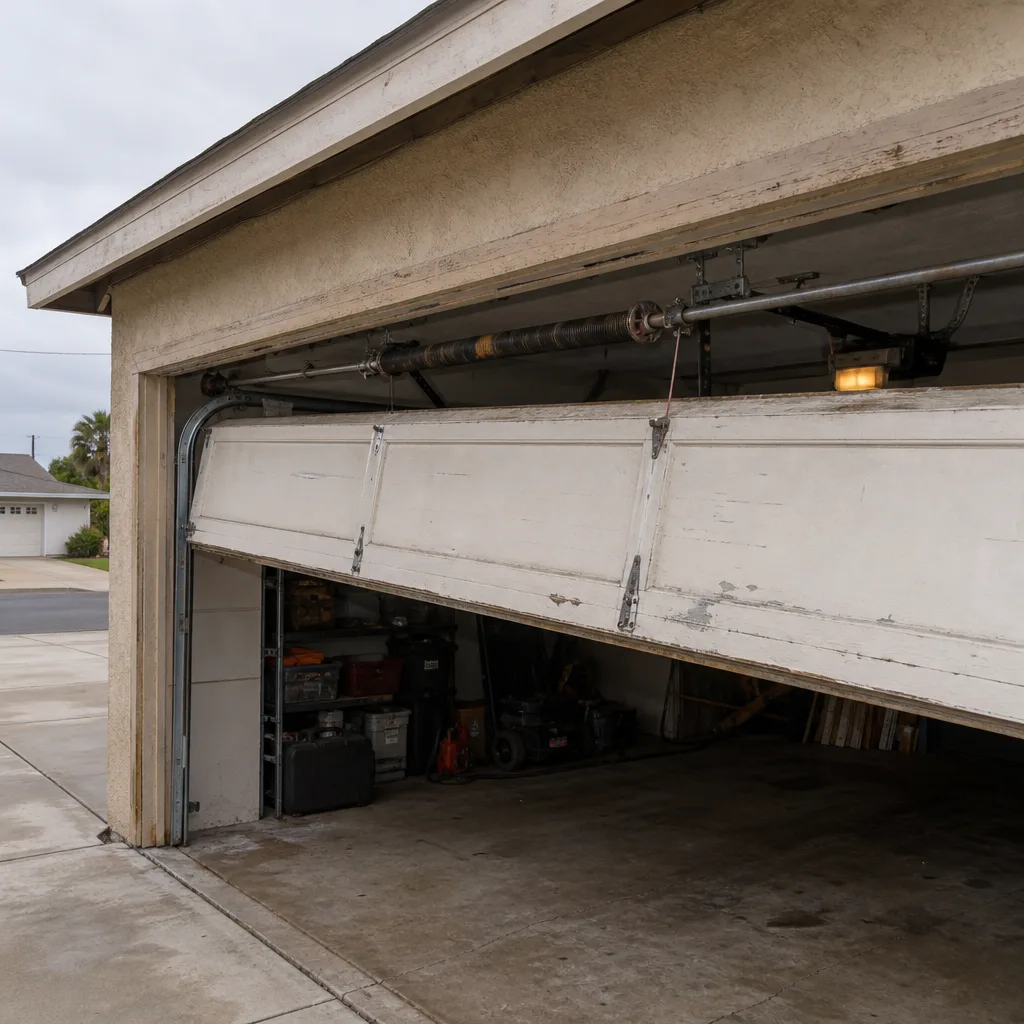
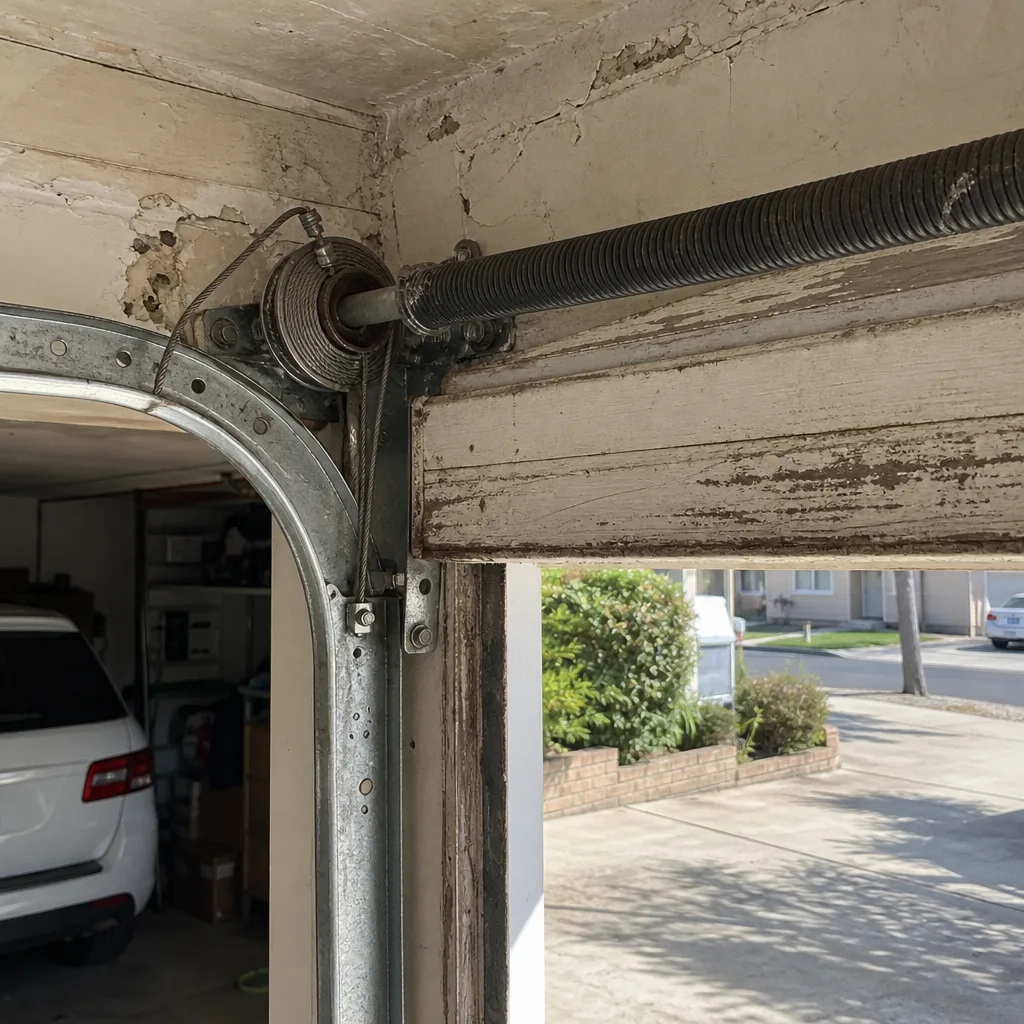
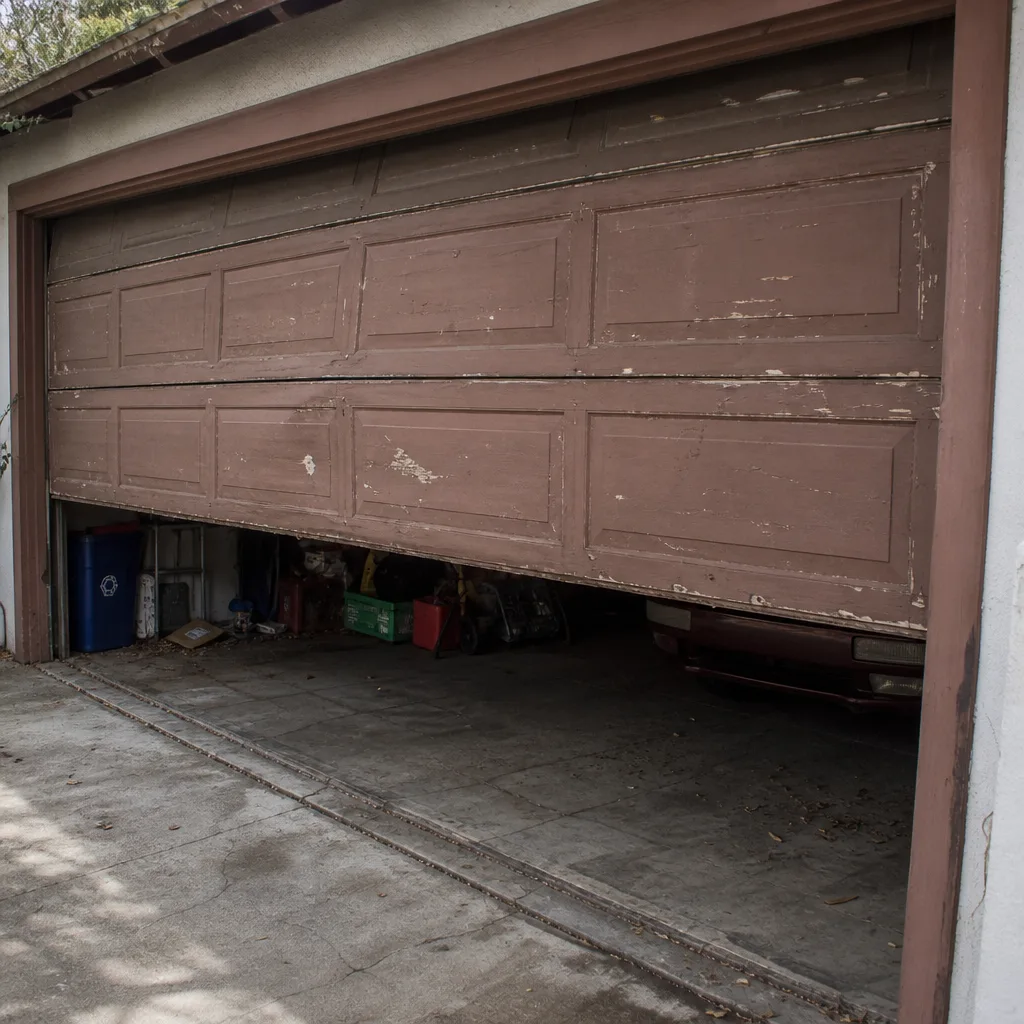 Before
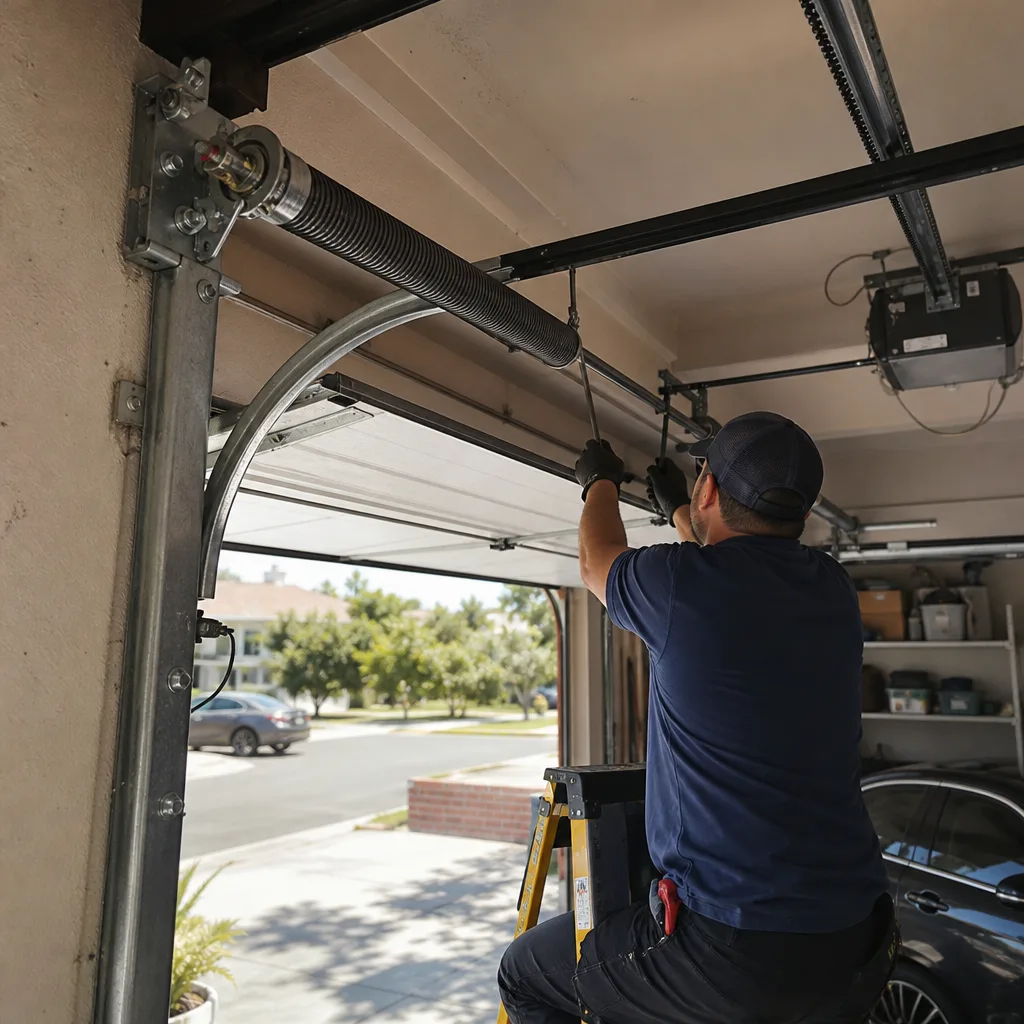
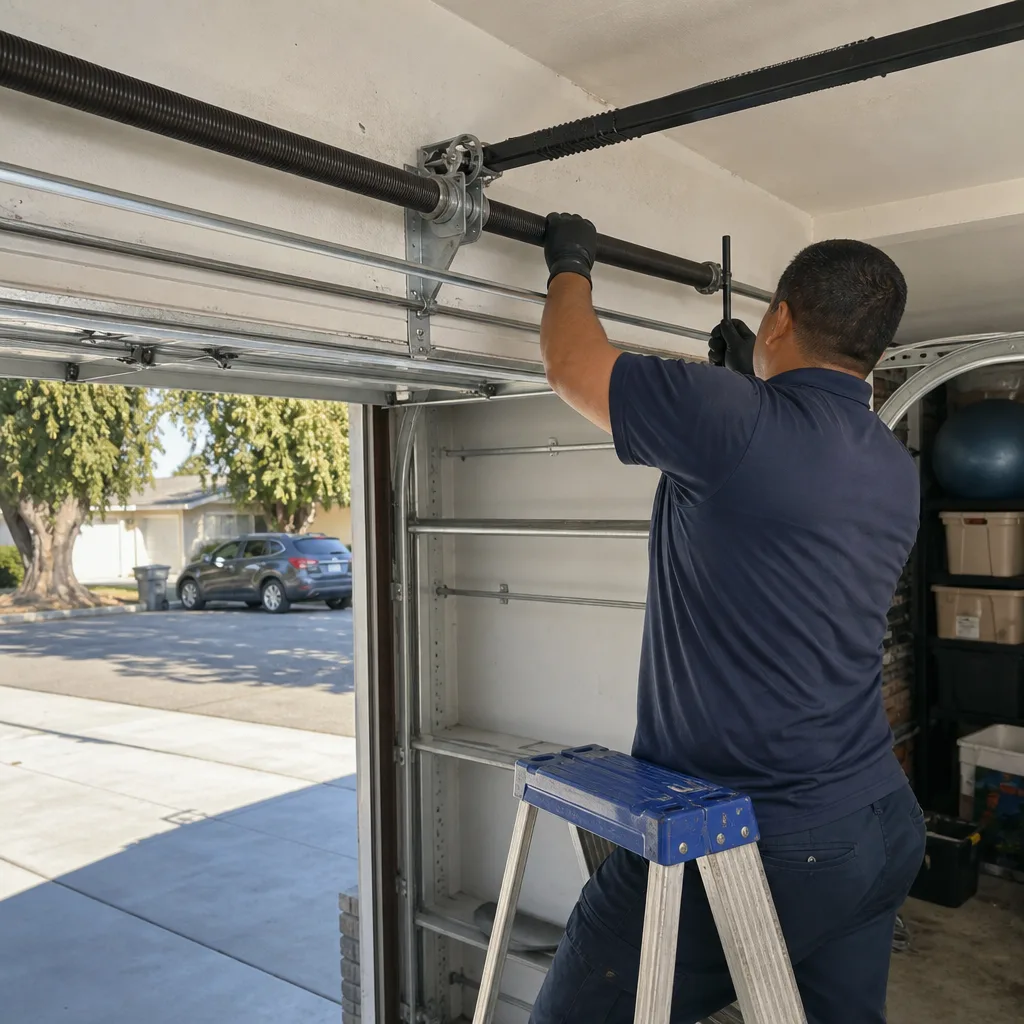
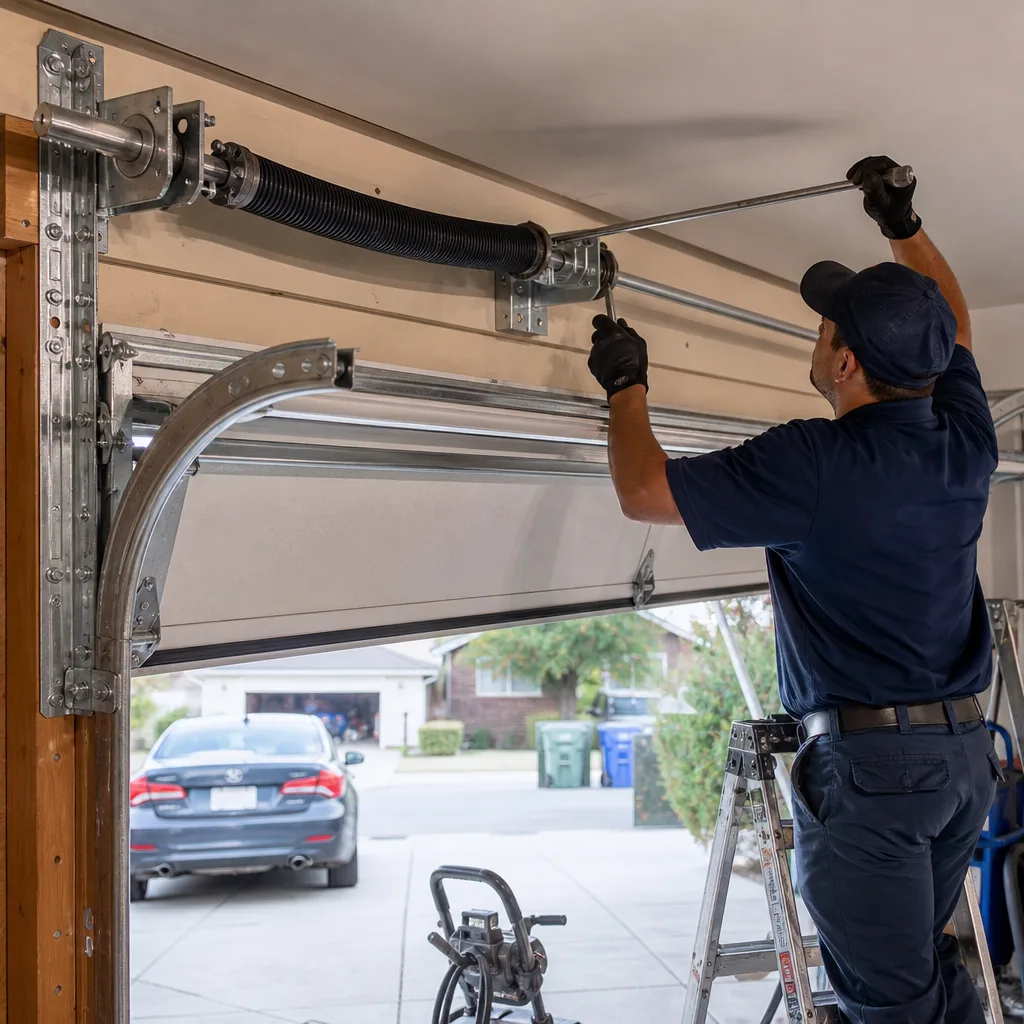 After
 Before
 After
 Before
 After