
Last updated October 30, 2026
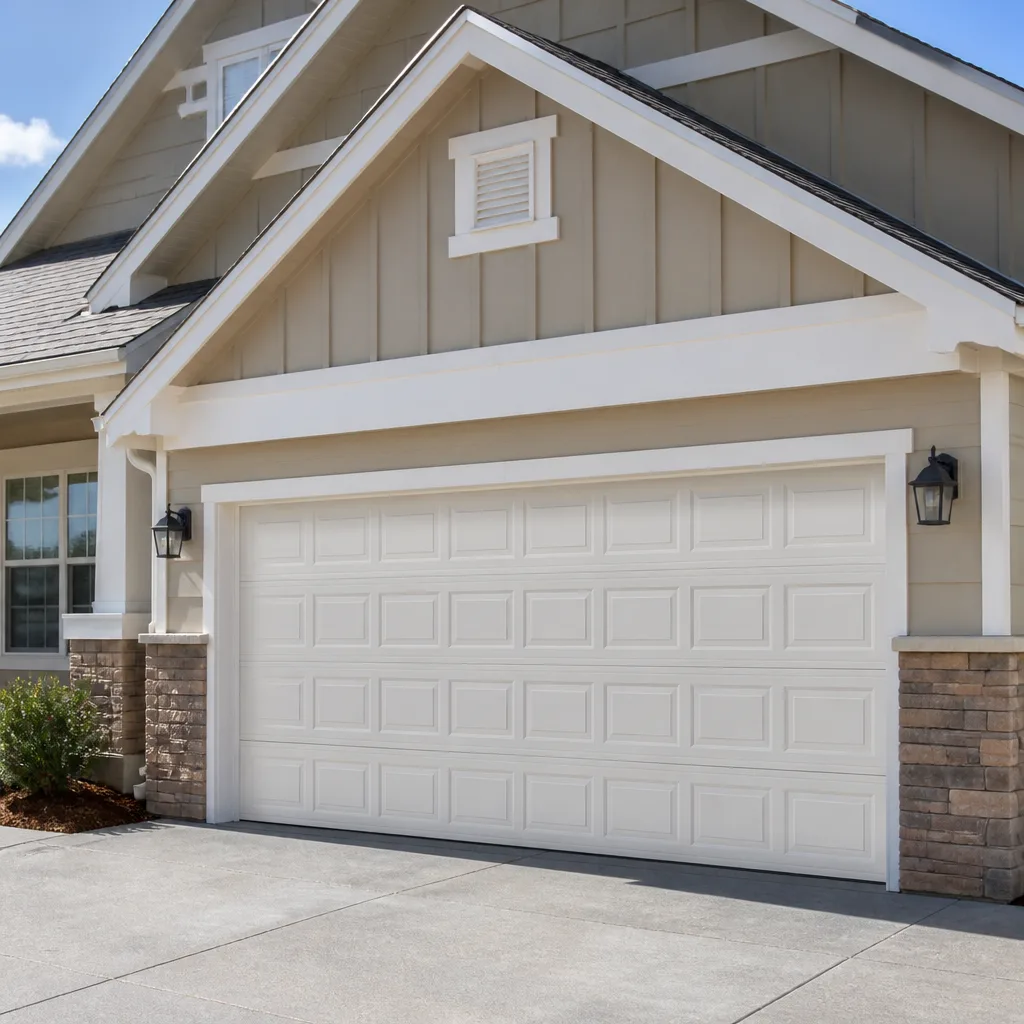 Raised-panel steel
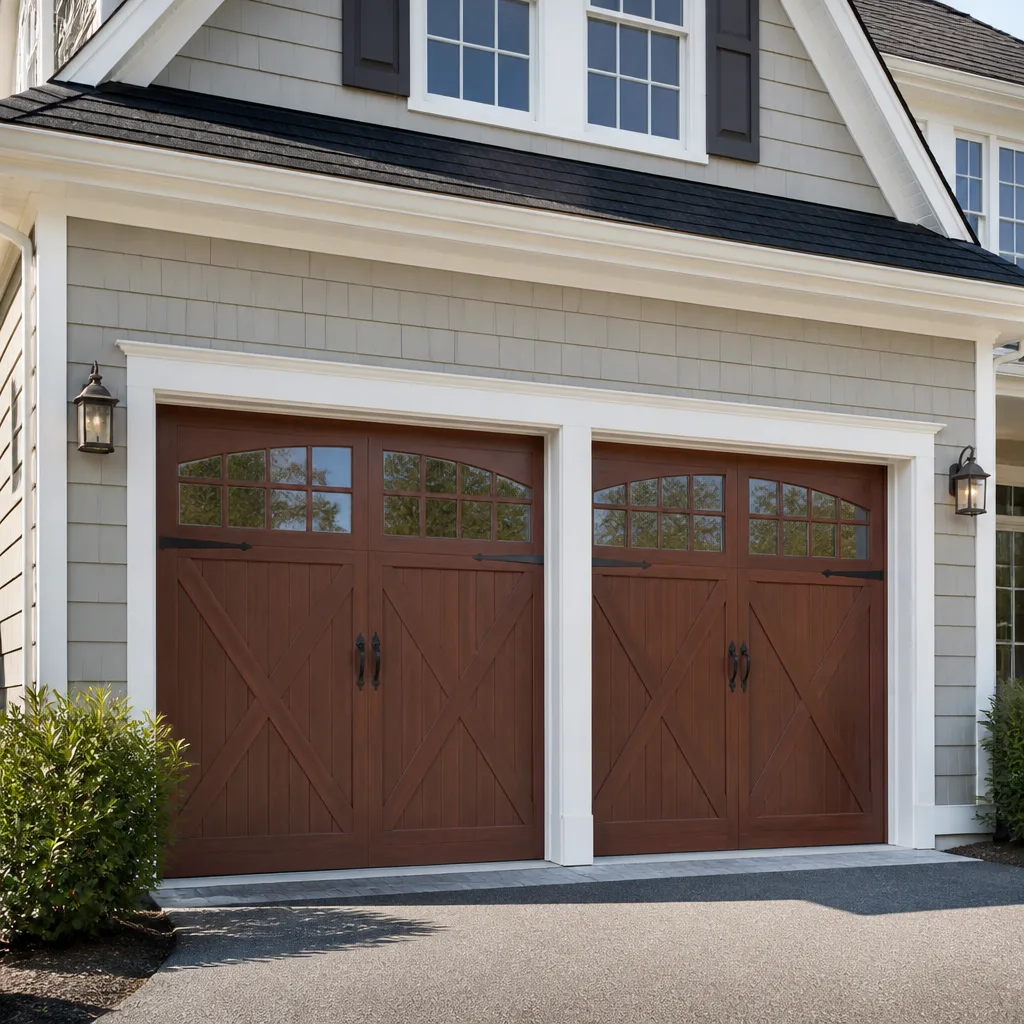 Carriage house
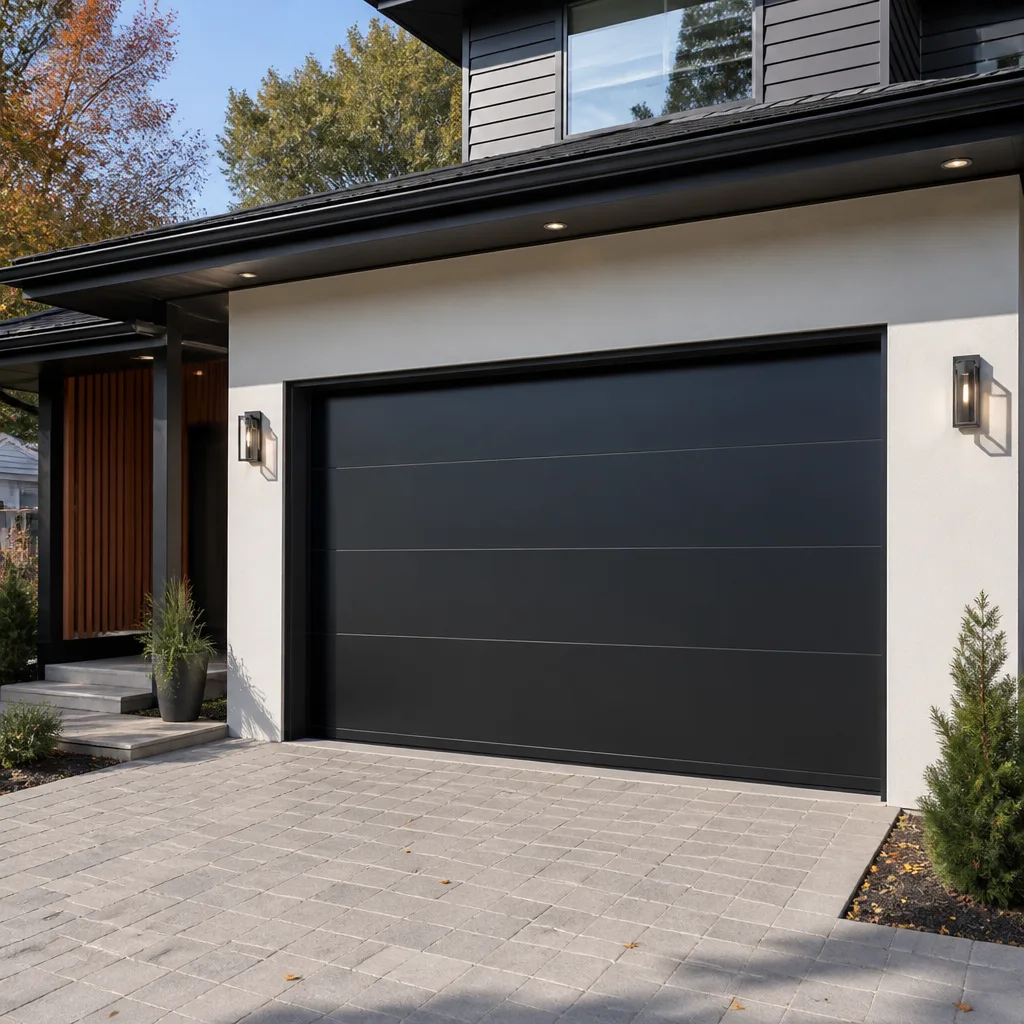 Modern flush
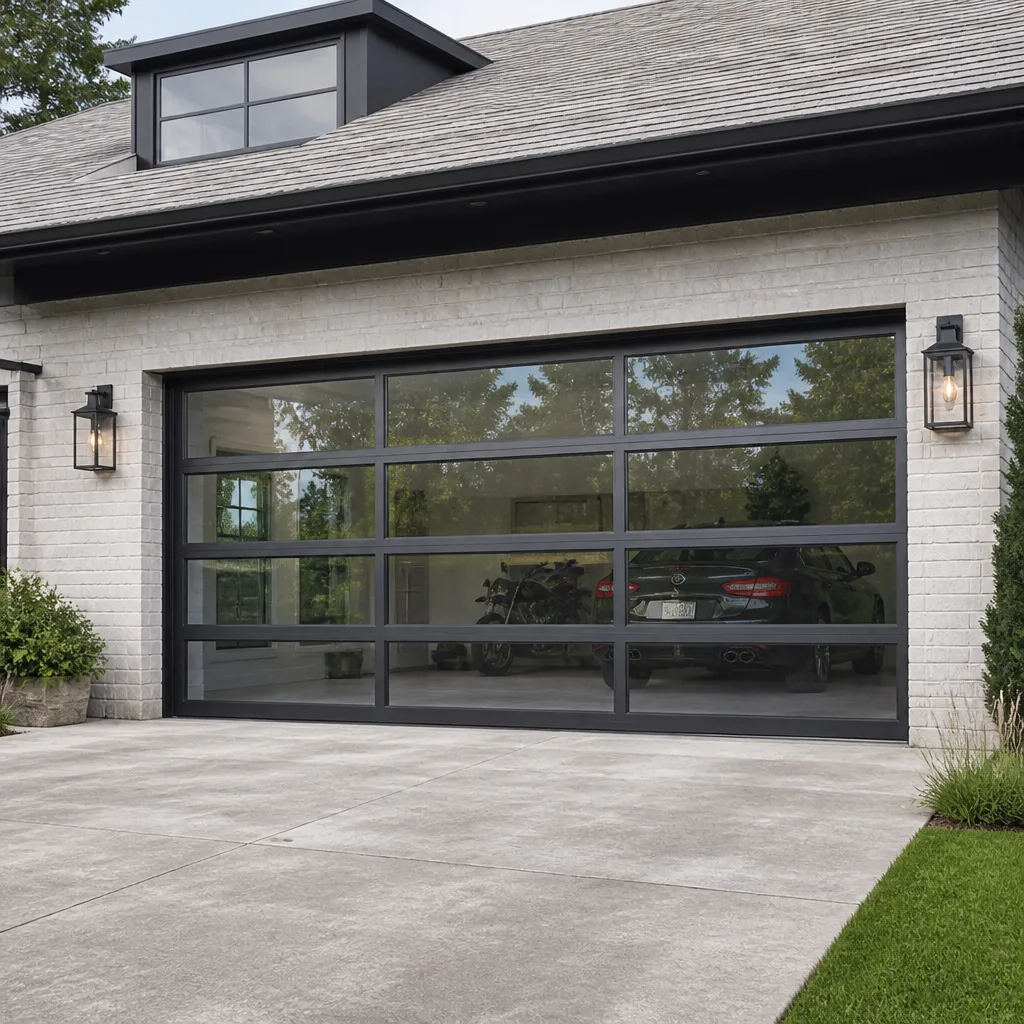 Full-view glass
 LiftMaster openers
 Chamberlain openers
Full 25-point door and opener safety check with every visit - springs, cables, rollers, tracks, and your LiftMaster or Chamberlain opener included
You get a price before we start. It does not change when the truck arrives.
Get your free estimateGarage Door Permits, Codes & Inspections in CA: What You Need to Know
Here’s a strange fact about California building law: you can legally bolt a brand-new garage door onto your Los Angeles home without telling the city, but the moment you enlarge that opening by six inches or run a new circuit to a smart opener, you’ve crossed into permit territory. The rule that trips people up isn’t about the door itself. It’s about what’s behind the door, above it, and wired into it. Most homeowners learn this the hard way, either when a sharp-eyed home inspector flags it during a sale or when a buyer’s escrow attorney sends over a disclosure form asking about “unpermitted modifications.” This guide maps every trigger point so you walk into the project knowing exactly what Los Angeles and the state of California require, what an inspector actually checks, and what skipping the paperwork really costs you at closing. For more guides & resources, visit our blog.
Styles & brands we work with
Quick Answer
In California, replacing an existing garage door with a same-size door usually does not require a city permit, but you will need one in Los Angeles if the work involves structural header changes, altering the opening size, installing a new electrical circuit for the opener, or replacing a fire-rated door between an attached garage and living space with something non-compliant. The permit triggers are structural, electrical, and fire-safety related, not the door swap itself. Inspections, when required, typically cost $150 to $400 in Los Angeles and verify exactly those three things: structure, wiring, and fire separation.
Table of Contents
- When California Actually Requires a Garage Door Permit
- The Fire-Rating Rule Most Los Angeles Homeowners Never Hear About
- Structural Header Changes: The Most Common Trigger
- New Opener Electrical Circuits and the LABC
- Title 24 Energy Code: What Applies and What Doesn’t
- What a Garage Door Permit Inspection Actually Checks
- How Unpermitted Garage Work Shows Up at Escrow
- HOA Approval in Los Angeles: A Parallel Track, Not a Substitute
- Common Mistakes to Avoid
- When to Call a Professional
- Frequently Asked Questions
- The Bottom Line
When California Actually Requires a Garage Door Permit
California’s building code, amended locally by the Los Angeles Department of Building and Safety, draws a line between “replacement” and “alteration.” A replacement means removing a door and installing a new one in the same opening with the same structural support. An alteration means changing the opening, the support, or the systems feeding the area. Permits follow alterations, not replacements. That sounds simple, but in practice the line blurs because a “simple” door swap often uncovers conditions that were never compliant to begin with. We’ve walked into homes across Los Angeles where an old wood door was hanging on a header that didn’t meet modern seismic requirements, or where an attached garage had been converted years ago without the proper fire separation. The door wasn’t the problem. The permit wasn’t about the door.
Here’s the practical framework Los Angeles inspectors use:
- Same-size door, same opening, no structural changes: No permit required. This covers most residential garage door replacements.
- Opening is being widened or heightened: Permit required. This means cutting into load-bearing wall framing, which triggers structural review.
- Header is damaged, undersized, or needs replacement: Permit required. Even if the door size stays the same, changing the header beam is structural work under LABC Chapter 23.
- New electrical circuit for an opener: Permit required. Running a new branch circuit or adding a dedicated outlet is electrical work under the California Electrical Code.
- Converting an attached garage to living space: Permit required, and it’s a major one. The door removal here is the smallest part of the permit.
- Replacing a fire-rated door with a non-rated door in an attached garage: Permit required, and likely rejected, because it violates fire code.
When in doubt, call the Los Angeles Department of Building and Safety at their main line and describe the scope. They’ll tell you quickly whether a permit is in play. Better to know before the work starts than to discover it when the inspector shows up for a different project and starts asking questions about the garage.
The Fire-Rating Rule Most Los Angeles Homeowners Never Hear About
California fire code treats your attached garage as a potential ignition source. Cars contain fuel. Garages store paint, solvents, and propane tanks. So the wall and door separating an attached garage from living space must slow fire for a minimum of 20 minutes. This applies to the door between the garage and the house interior, not the overhead vehicle door, though the overhead door itself must also meet certain listing requirements if the garage is attached. This is the rule that catches people off guard when they decide to “upgrade” an interior garage entry door with a pretty hollow-core door from the home center. A hollow-core door fails the fire rating instantly, and the inspector will flag it.
The overhead door matters here too. In Los Angeles, a garage door on an attached garage must be listed as a fire-rated assembly, or the garage must comply with separation requirements through the wall and ceiling assembly. Most modern residential garage doors from manufacturers like Clopay, Amarr, and Wayne Dalton carry the necessary listing for attached garage applications, but you need to verify this before ordering. Some doors sold for detached garages or agricultural buildings don’t carry the rating, and installing one on an attached garage in Los Angeles is a code violation. The difference between a compliant and non-compliant door isn’t visible to the naked eye. It’s in the paperwork.
The practical takeaway: if your garage is attached to your home, confirm the fire rating of the door you’re buying before you pay for it. If you’re unsure, a quick call to the Chaparral Garage Door Repair home team can tell you whether the door you’re considering meets Los Angeles requirements. We verify this on every installation we quote.
Structural Header Changes: The Most Common Trigger
Every garage door opening has a header, which is a beam spanning the top of the opening that carries the weight of the wall, roof, or floor above. In older Los Angeles homes, built anything from the 1920s through the 1980s, these headers were often undersized by today’s standards. A homeowner wants to replace a tired 8-foot-wide door with a 9-foot-wide door to fit a larger SUV. That means cutting the wall studs, which means removing the old header and installing a longer one. The moment that happens, the city wants to see the plans. Specifically, they want an engineer’s letter or stamped drawing confirming the new header will carry the load, and they want to inspect the installation before it’s covered with drywall or trim.
Los Angeles takes a strong position on this because the city sits in seismic zone 4. Headers do more than hold up weight. They keep the wall from racking during an earthquake. An undersized or improperly installed header can fail catastrophically when the ground starts moving, and that failure doesn’t just damage the garage. In an attached garage, it compromises the entire wall assembly connected to the house.
The sequence for a structural permit in Los Angeles looks like this:
- Submit plans. For a header change, you’ll need drawings showing the existing and proposed framing, plus a header schedule or engineer’s calculations. Most homeowners hire a draftsman or structural engineer for this.
- Pay the permit fee. Los Angeles typically charges between $200 and $500 for a structural alteration permit of this scope, depending on the valuation of the work.
- Do the work. Open wall, install new header, set new framing.
- Call for inspection. Before covering the framing, an LADBS inspector checks the header size, connection hardware, and nailing pattern.
- Close the permit. Once signed off, the city records the work as permitted, which matters enormously at resale.
If you’re replacing a door without touching the header, none of this applies. The permit question turns entirely on whether the existing structural support remains untouched. Our Garage Door Repair in Los Angeles team evaluates every job for signs of header distress before quoting, because a sagging header changes a simple replacement into a permitted structural project.
New Opener Electrical Circuits and the LABC
Here’s a scenario we see regularly in older Los Angeles homes, especially in neighborhoods like Silver Lake, Echo Park, and West Adams where 1920s and 1930s bungalows are common. If you’re experiencing similar issues, our Garage Door Repair Troubleshooting: Common Problems and How to Fix Them guide can help. The garage was built before garage door openers existed. It has a single bare-bulb light fixture and maybe one outlet. The homeowner buys a new smart opener from Craftsman or Chamberlain, with battery backup, Wi-Fi, and a camera. The opener needs a dedicated grounded outlet near the motor. Running that new circuit means adding a breaker in the panel and pulling Romex through the garage. That is electrical work under the California Electrical Code, and it requires a permit from the Los Angeles Department of Building and Safety.
The permit for a new opener circuit typically costs $80 to $150 in Los Angeles. The inspection is straightforward: the inspector checks that the circuit is properly grounded, that the wiring is the correct gauge, that the outlet is GFCI-protected where the code requires it, and that the connection to the panel is clean. Once signed off, the circuit is documented. This matters because an unpermitted electrical circuit in a garage is one of the most common red flags buyers’ home inspectors report, and it’s one of the easiest things for a seller to fix wrong the first time. Stay ahead of problems with our Garage Door Warning Signs: A Los Angeles Homeowner’s Reference Guide.
If you’re simply replacing an old opener with a new one that plugs into an existing outlet, no permit is needed. The electrical system isn’t changing. Your opener is its own system in the sense that it has motors, sensors, and logic boards, but the code treats it as plug-in equipment unless you’re altering the circuit that feeds it. Our Garage Door Opener Repair in Los Angeles service handles the full diagnostic side of openers, but when new wiring is needed, we coordinate directly with licensed electricians who pull the proper permits.
Title 24 Energy Code: What Applies and What Doesn’t
California’s Title 24 energy standards generate a lot of confusion around garage doors. Let’s clear it up directly: Title 24 applies to conditioned space. That’s the part of your house that’s heated or cooled. A standard residential garage is unconditioned, which means the energy code doesn’t regulate the overhead door’s insulation value or air leakage. You can install a non-insulated steel door on an unconditioned garage anywhere in Los Angeles and Title 24 won’t care. The city won’t care either, because the energy code doesn’t extend there.
The picture changes in two specific situations:
- The garage is conditioned: Some Los Angeles homeowners add mini-split systems to their garages, turning them into workshops, gyms, or studios. Once conditioned, the garage becomes part of the building envelope under Title 24, and the door must meet insulation and air leakage requirements. This typically means a door with an R-value of at least R-8 in the Los Angeles climate zone.
- The garage is being converted to living space: This is a much bigger permit, and the overhead door usually comes out entirely or is replaced with a wall. Title 24 applies to the entire new assembly.
There’s also a disclosure angle. Even when a permit isn’t required, California law requires new garage doors sold in the state to meet minimum manufacturing standards for wind resistance in certain exposed areas. Los Angeles has pockets, particularly in the hills and near the coast, where wind uplift requirements vary. A door that meets code in Sherman Oaks might not meet the stricter wind requirements of a home on a ridgeline in Pacific Palisades or San Pedro. Your installer should know which zone you’re in and order accordingly. If you’re planning a new door, our Garage Door Installation in Los Angeles team checks the specific wind and exposure requirements for your address before recommending a model.
What a Garage Door Permit Inspection Actually Checks
If your project does trigger a permit in Los Angeles, you’ll have at least one inspection, sometimes two. Understanding what the inspector is looking at helps you avoid a failed inspection and a re-inspection fee. Here’s the actual checklist for a residential garage door permit inspection, drawn from our Garage Door Repair Maintenance Checklist for Los Angeles Homeowners:
- Header size and material: The inspector verifies the header matches the approved plans. For a typical double garage door opening in Los Angeles, that usually means a 4×12 or engineered beam, not a pair of 2x4s nailed together. The inspector checks the material itself, the bearing points at each end, and the connection hardware.
- Framing connections: The king studs, jack studs, and header connections must be nailed or bolted per code. Inspectors in Los Angeles are particularly careful about this because seismic requirements govern connection details.
- Fire separation (attached garages): If the garage is attached, the inspector checks the wall and ceiling assembly for the correct drywall type and thickness, usually 1/2-inch gypsum board or 5/8-inch Type X where required. They’ll also check that any penetrations are sealed.
- Electrical rough-in: If the permit includes an opener circuit, the rough-in inspection covers the wire run, box placement, and grounding before drywall goes up. The final inspection checks the outlet, GFCI protection, and panel connection.
- Door installation and balance: The inspector confirms the door is installed per manufacturer specifications, that it balances properly, and that the safety reverse mechanism on the opener functions. In Los Angeles, this last point is non-negotiable.
Passing the inspection does more than satisfy the city. It creates a paper trail that a future buyer’s inspector can verify, which eliminates a whole category of negotiation leverage. An unpermitted installation gives a buyer the opportunity to demand a price reduction or ask for a retroactive permit after closing. A permitted, inspected installation removes that conversation entirely. In our experience, the inspection fee is the cheapest insurance policy available on the whole project.
How Unpermitted Garage Work Shows Up at Escrow
Los Angeles has one of the most active real estate disclosure environments in the country. Sellers complete a Transfer Disclosure Statement, which asks directly about “any room additions, structural modifications, or other alterations” made without permits. The question doesn’t specifically name garage doors, but it asks about “alterations,” and a widened garage opening, a rebuilt header, or new electrical in the garage all qualify. Checking the wrong box here is legally perilous. California courts have held sellers liable for failing to disclose unpermitted work even years after closing, particularly when the work involved structural or fire-safety elements.
Beyond the disclosure form, unpermitted garage work surfaces in three common ways during a Los Angeles escrow:
- The buyer’s home inspector flags it: A good inspector checks the header span, looks for signs of recent framing changes, and checks the electrical panel for unlabeled new circuits. They’ll write it up as a “recommend evaluation by licensed contractor.”
- The appraiser notes it: An unpermitted garage conversion or structural change can affect the appraised value, particularly if the work doesn’t meet current code. Lenders care about this.
- The title search reveals permit history: Los Angeles building permits are public record. A diligent buyer’s agent can pull the permit history for the address and see what was permitted and what wasn’t.
The cost at escrow varies. In our experience, sellers typically spend between $500 and $1,500 to address a flagged unpermitted garage issue, either through a retroactive permit, a repair, or a price concession. That’s on top of the stress and delay. If you’re doing the work anyway, the permit fee and inspection are a fraction of that cost. The math favors doing it right the first time, a point we make consistently in Garage Door Repair in Los Angeles when homeowners ask whether they can skip the paperwork.
HOA Approval in Los Angeles: A Parallel Track, Not a Substitute
A surprisingly large share of Los Angeles homes fall under HOAs, not just the high-rise condos downtown but planned communities in areas like Porter Ranch, Playa Vista, and parts of the San Fernando Valley. If your home is governed by an HOA, you have two approval tracks running at the same time. The city permit is about code compliance. The HOA approval is about aesthetic and architectural standards. Neither replaces the other. You need both when both apply.
Most Los Angeles HOAs require written approval before any exterior modification, and a garage door is explicitly an exterior modification. The approval usually involves submitting the door’s style, material, and color to an architectural review committee. Some HOAs have very specific requirements. A planned community in Woodland Hills might insist on a specific door style from a specific manufacturer, often Amarr or Clopay, with a limited palette of colors. A condo building in Marina del Rey might require matching all garage doors across the complex. Violating HOA rules carries a different set of consequences than violating city code, but they’re just as real: fines, forced removal, even liens in extreme cases.
The sequence that works best is this: check your HOA covenants first, understand what doors are approved, then determine whether the city requires a permit for the work, then pull both approvals. Starting the work before the HOA signs off, even if the city permit is already issued, forces you to either stop mid-project or risk a violation notice. Neither is a good look when the architectural committee meets monthly and your door is already installed.
Common Mistakes to Avoid
- Assuming a door swap never needs a permit. It’s usually true, but the moment the header is touched, the opening changes, or new electrical is run, the permit requirement kicks in. Los Angeles inspectors enforce this strictly.
- Installing a non-fire-rated door on an attached garage. This is a code violation you can’t see and most homeowners don’t know to check. The door looks identical to a compliant model. The violation only surfaces during an inspection or a fire.
- Enlarging the opening without an engineer. Widening a garage opening means cutting load-bearing studs. Without stamped calculations, the city won’t approve the permit, and the work won’t pass inspection. In Los Angeles seismic zones, this isn’t optional.
- Running a new opener circuit without an electrical permit. Easy to do, easy to get wrong. An unpermitted circuit is one of the first things a buyer’s home inspector flags at sale.
- Skipping HOA approval because the city didn’t require a permit. The city and the HOA are separate authorities. A no-permit door swap can still violate HOA architectural standards and cost you a fine.
- Not checking the door’s fire rating or wind rating before ordering. Doors that are fine in one part of Los Angeles may fail requirements in the hills or coastal zones. Confirm before you buy, not after installation.
- Answering “no” on the disclosure form because the work was done years ago. Unpermitted structural or electrical work doesn’t become permitted with age. Disclose honestly and avoid post-closing liability.
When to Call a Professional
If your project involves a header change, opening modification, or new electrical circuit, you need someone who understands both the code requirements and the permitting process. A general contractor can manage it, but you want a garage door specialist doing the door work itself. In our experience, the projects that go sideways are the ones where the door installer doesn’t understand structural requirements, or the framer doesn’t understand door geometry, and nobody coordinates between them. At Chaparral Garage Door Repair, we work on your brand, whether that’s Clopay, Amarr, Wayne Dalton, or Craftsman, and we quote every job with the permit question answered up front. Repair or replace, we’ll tell you which one actually makes sense. Chaparral Garage Door Repair offers free estimates in Los Angeles – call (866) 472-6497.
Frequently Asked Questions
No, not if you’re replacing the door with a same-size door in the same opening without touching the header, framing, or electrical. The city treats this as a routine replacement. You need a permit only when the work becomes structural or electrical. Call (866) 472-6497 for a free estimate and we’ll confirm whether your project crosses that line.
For a structural alteration like a header change, expect to pay $200 to $500 for the permit, plus any engineer’s fees for drawings if the city requires stamped calculations, which can add $500 to $1,500. An electrical permit for a new opener circuit typically runs $80 to $150. These are city fees only, not labor. The inspection itself is usually included in the permit fee, though re-inspections cost extra.
No. If your garage is attached to your home in Los Angeles, the overhead door must meet fire-rating requirements as part of the garage separation assembly, and the door between the garage and interior must be at least 20-minute fire-rated. An inspector will check this if you have a permit. If you don’t have a permit, it becomes a disclosure and safety issue later. Call (866) 472-6497 and we’ll verify the rating on the door you’re considering before you order it.
No, and to be direct, you shouldn’t try. Garage conversions are among the most heavily scrutinized residential projects in Los Angeles. The permit process involves structural, fire-separation, ventilation, and Title 24 energy compliance, plus zoning review. Unpermitted conversions are a leading cause of failed home sales in Los Angeles because the buyer’s lender often refuses to finance a property with an unpermitted conversion.
Yes. HOA architectural review runs alongside the city permit process. Even a simple door replacement that requires no city permit may need HOA written approval if your community’s covenants regulate exterior appearance. Check your HOA documents first. The HOA can fine you or require you to replace the door at your own cost if it violates standards.
At minimum, you must disclose it on the Transfer Disclosure Statement. Failure to disclose creates legal liability that can last years after the sale, and California courts have sided with buyers in these cases. Beyond disclosure, the buyer may demand a price reduction, require you to obtain a retroactive permit, or in severe cases walk away from the deal. The cost of pulling a proper permit at the time of the work is almost always lower than the cost of addressing it at escrow. Call (866) 472-6497 for an honest assessment of your situation and a free estimate.
The Bottom Line
The permit question in California isn’t about the garage door. It’s about the structural support above it, the fire protection behind it, and the electrical circuit feeding it. A straight same-size door swap on a detached garage in Los Angeles rarely needs a permit. An attached-garage door with header work, opening changes, or new wiring almost always does. The inspection is an insurance policy, documented proof that the work was done to code, which protects you not just from fire and structural failure but from a discounted sale price years later. Do the paperwork when it’s required, verify the fire rating before you order, and keep the closed permit in your files. Your future buyer will thank you, and your escrow will be smoother for it.
Written by the team at Chaparral Garage Door Repair, serving Los Angeles since 2018.
See the difference
 Before
 After
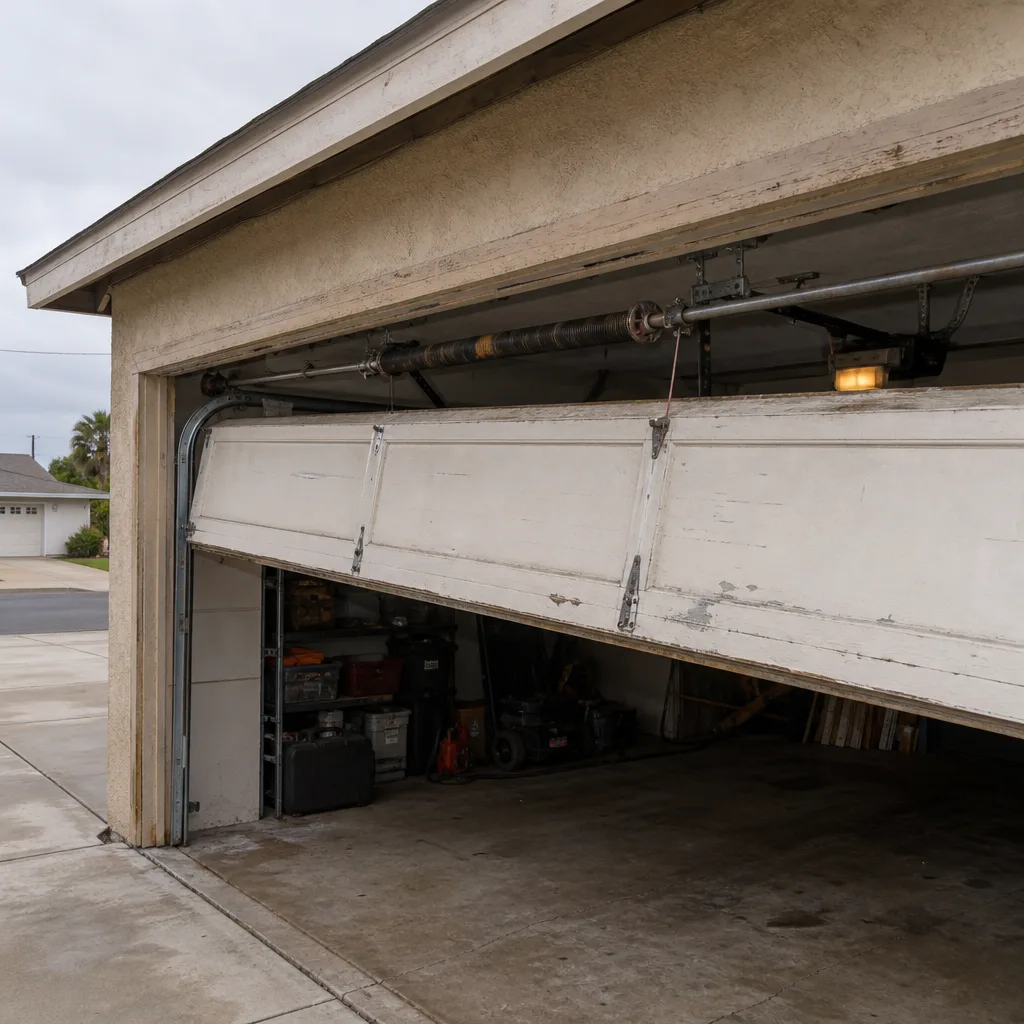 Before
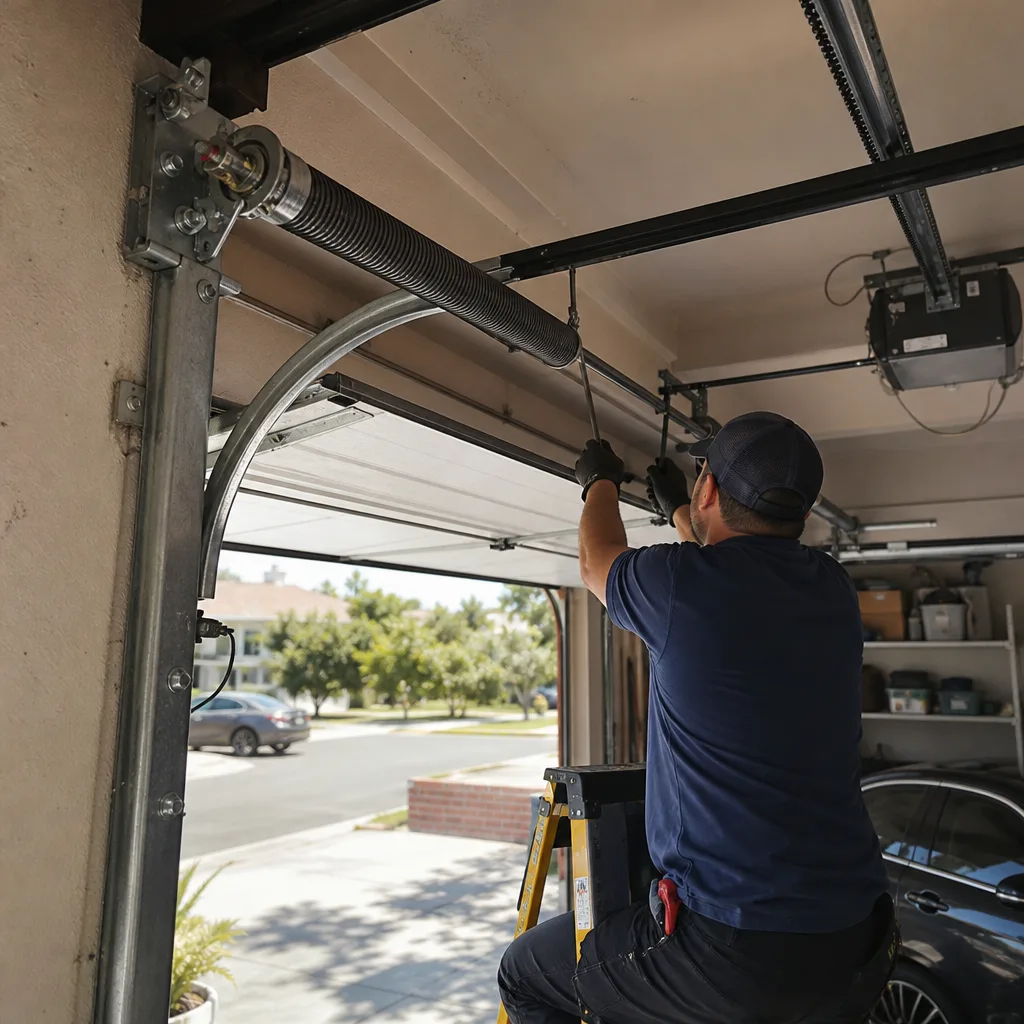 After
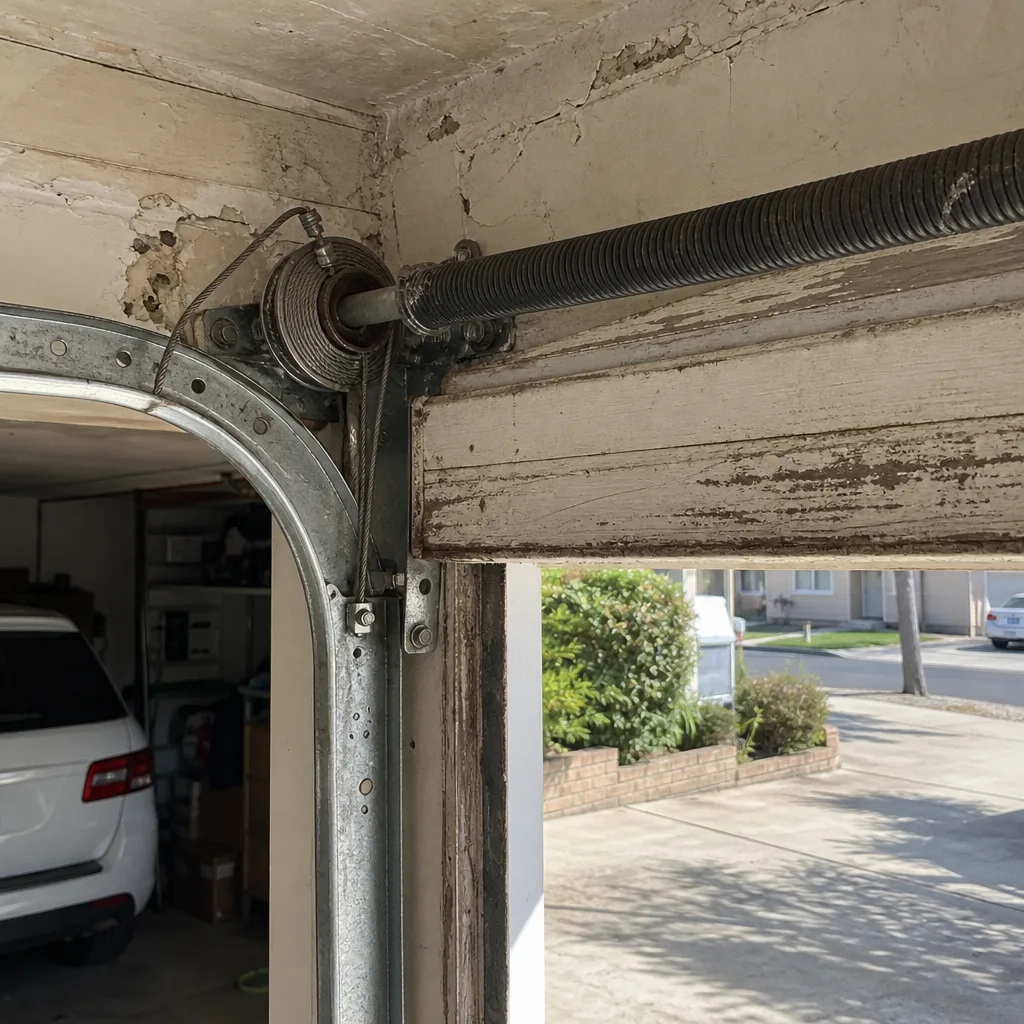 Before
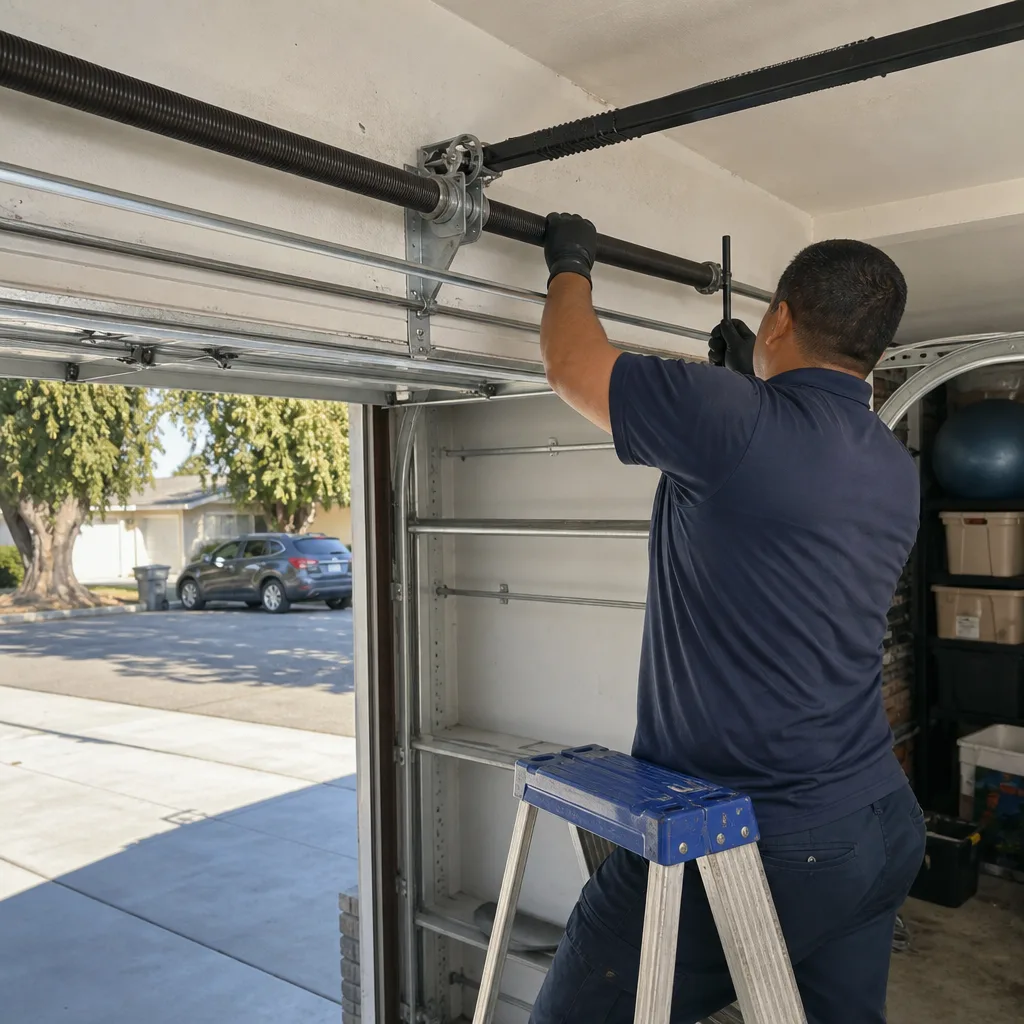 After