Last updated October 30, 2026
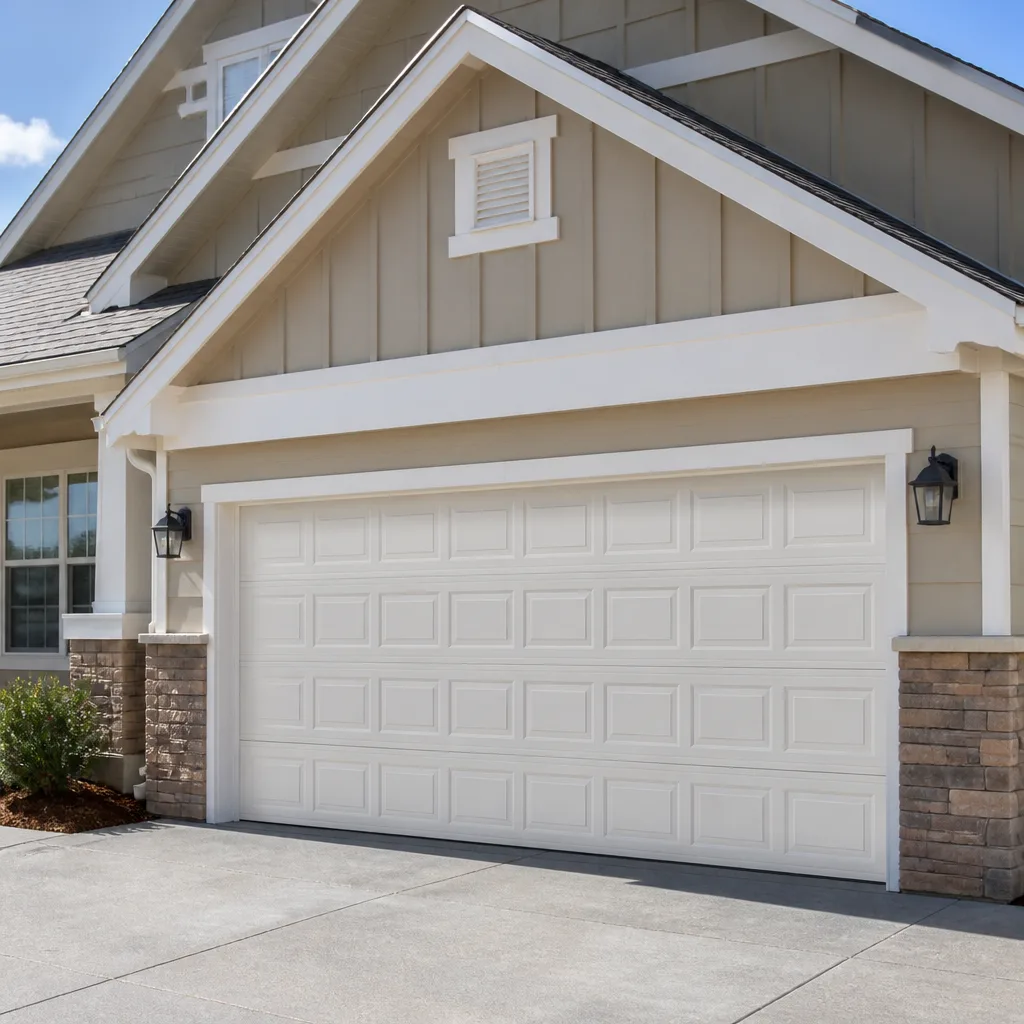 Raised-panel steel
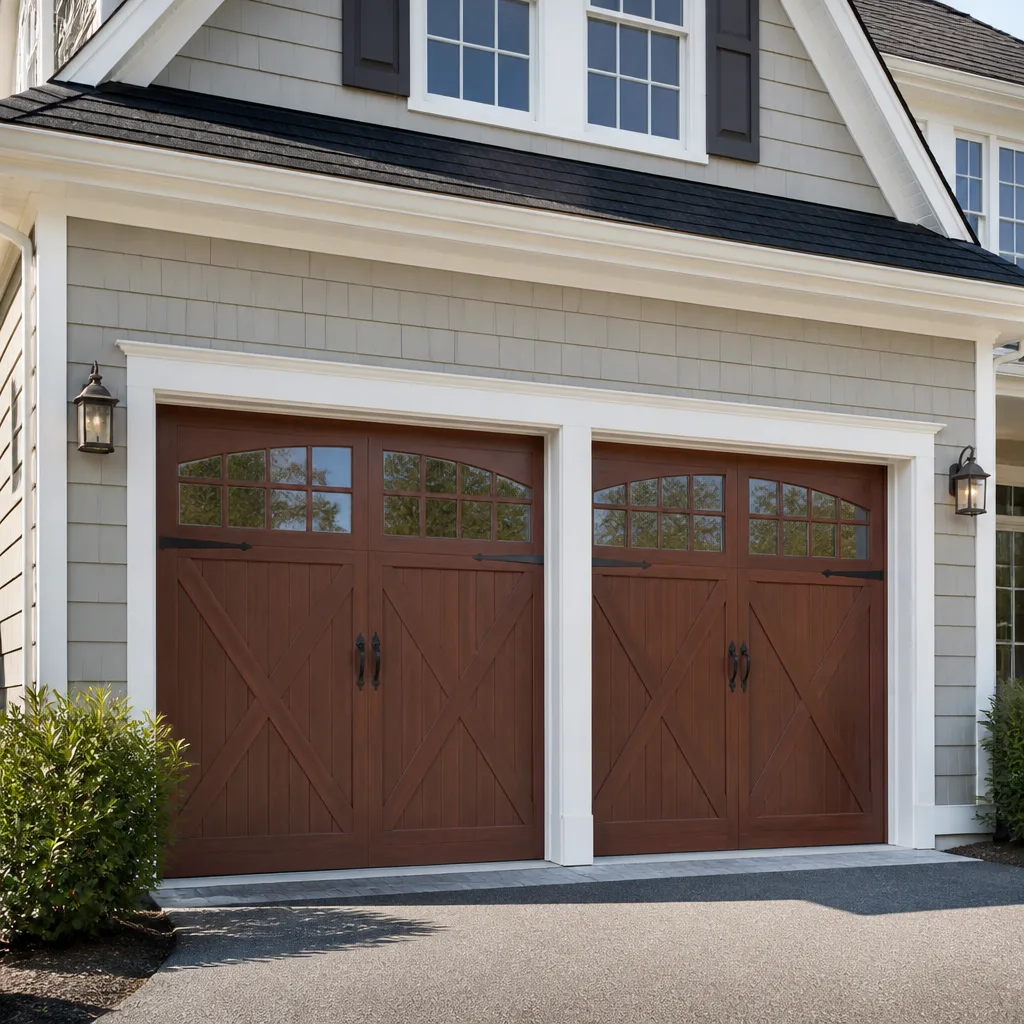 Carriage house
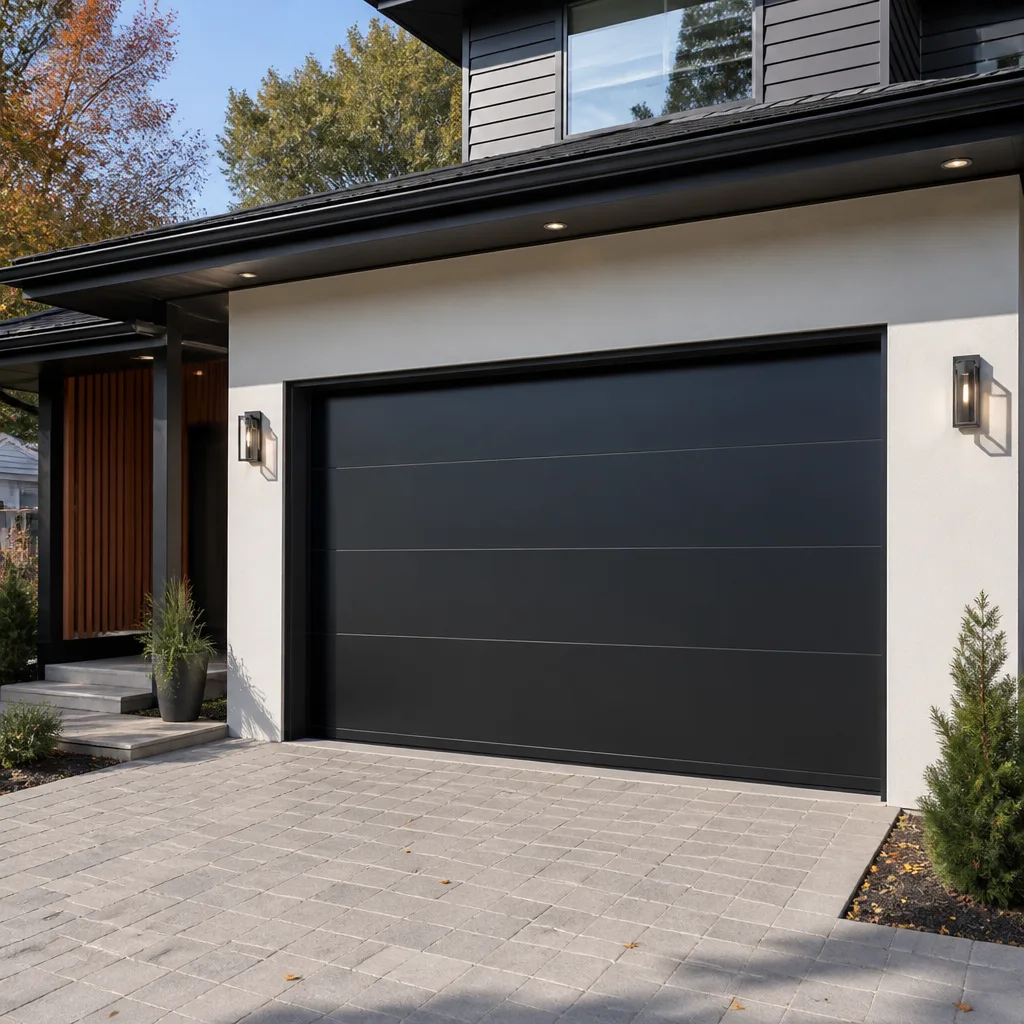 Modern flush
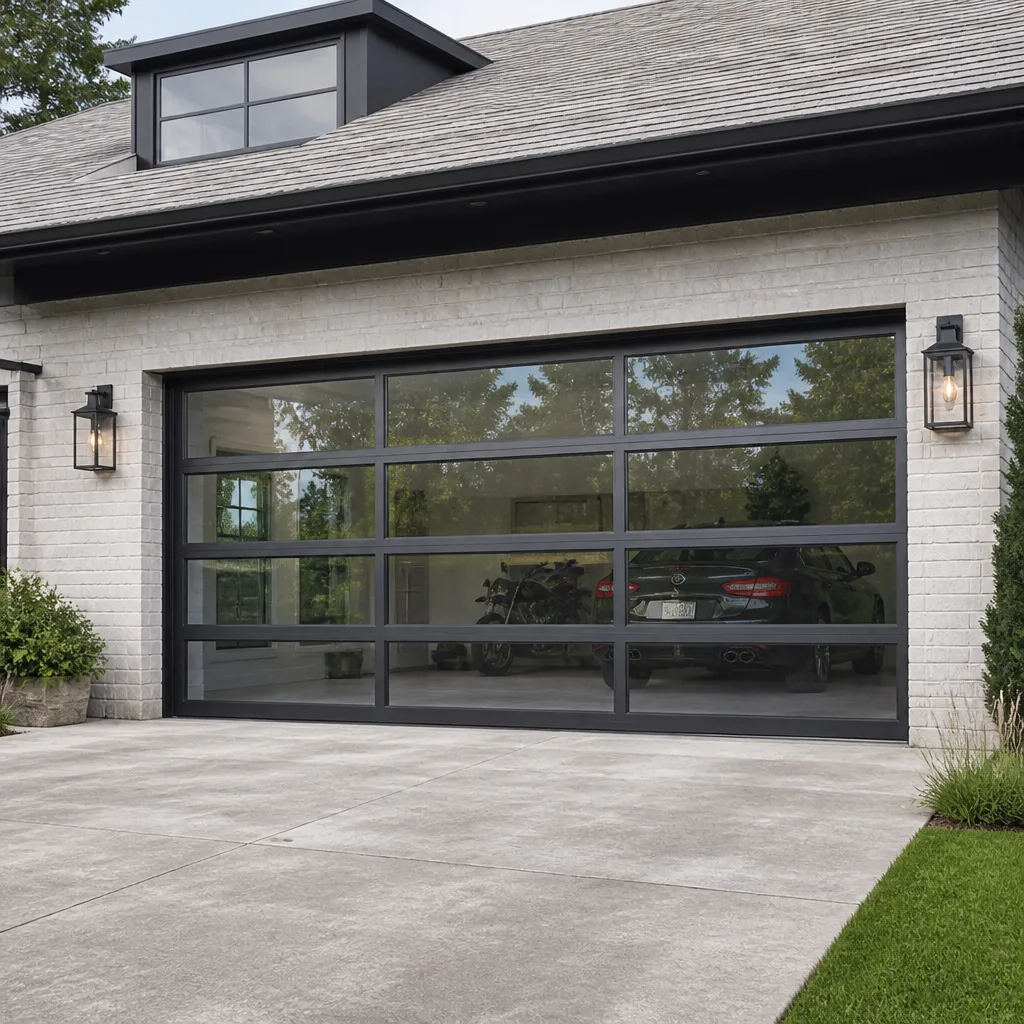 Full-view glass
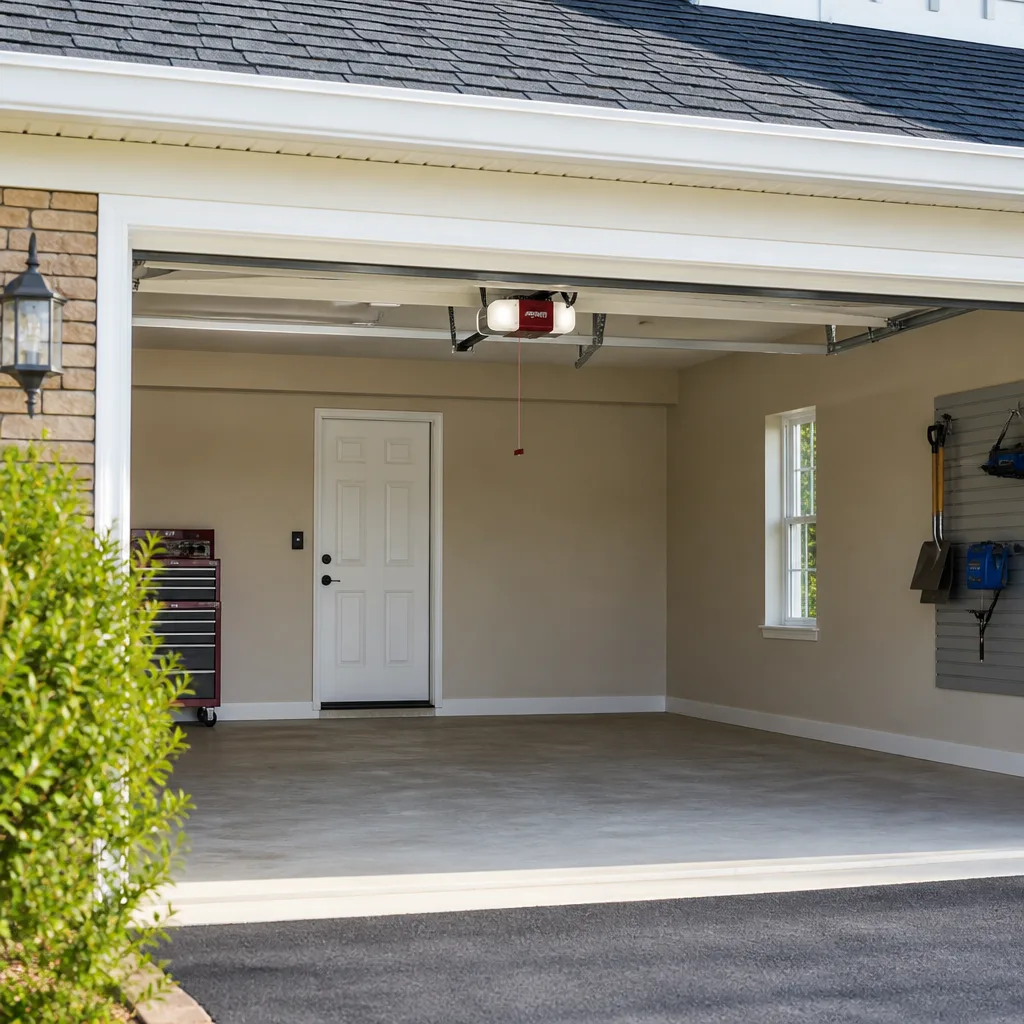 LiftMaster openers
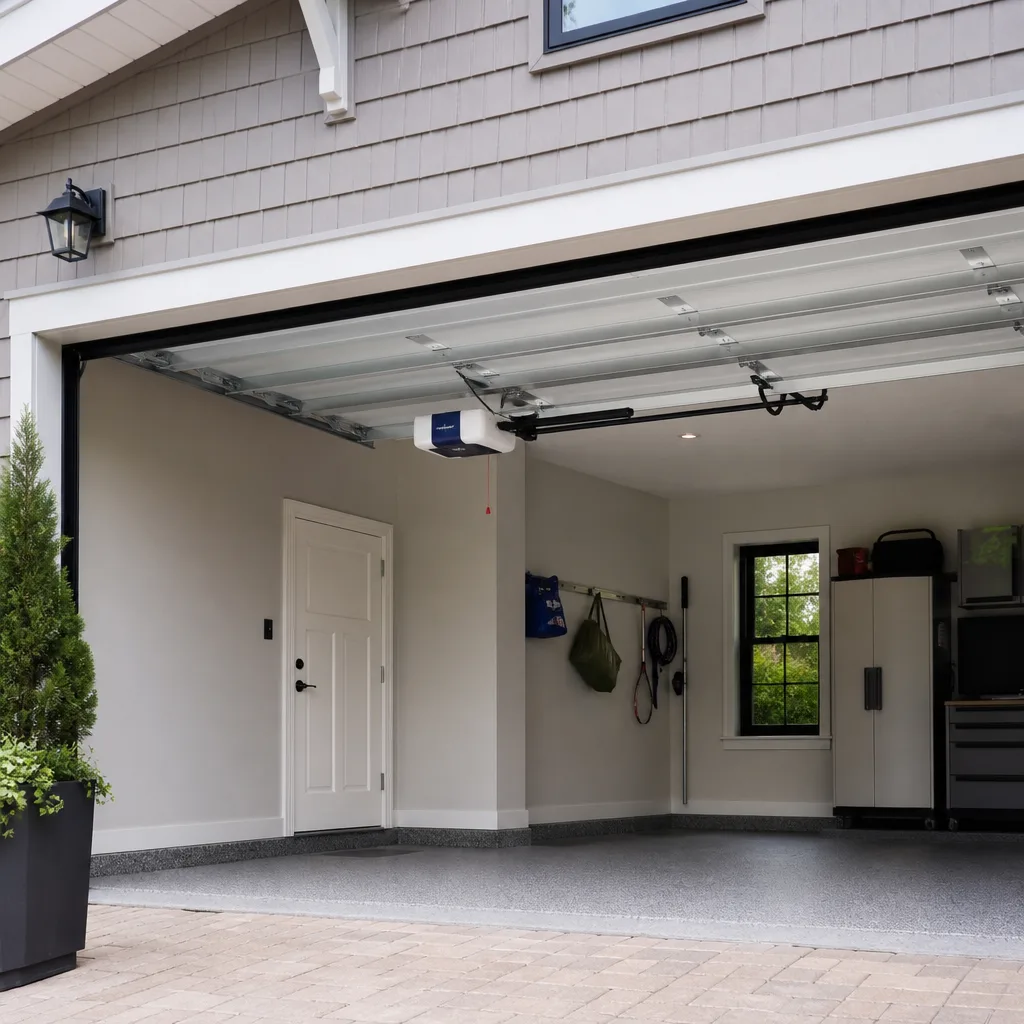 Chamberlain openers
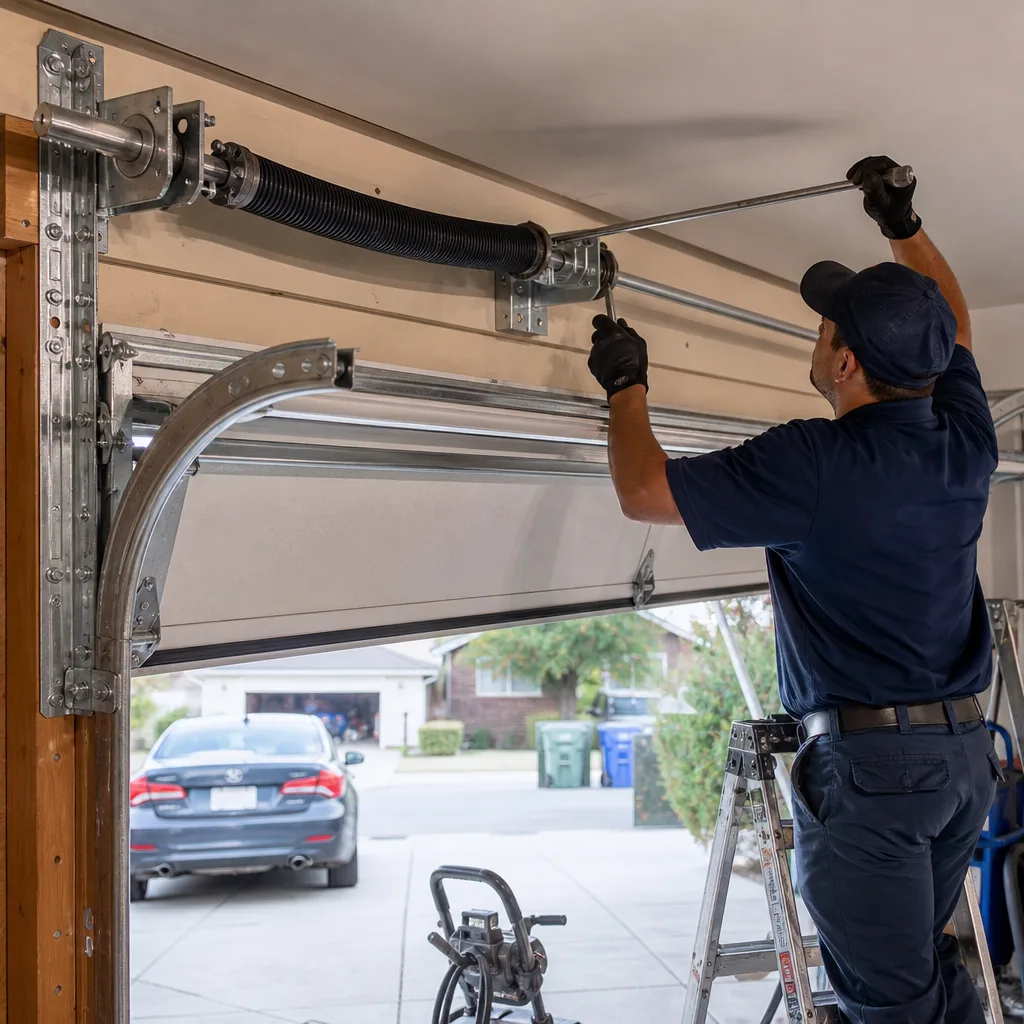
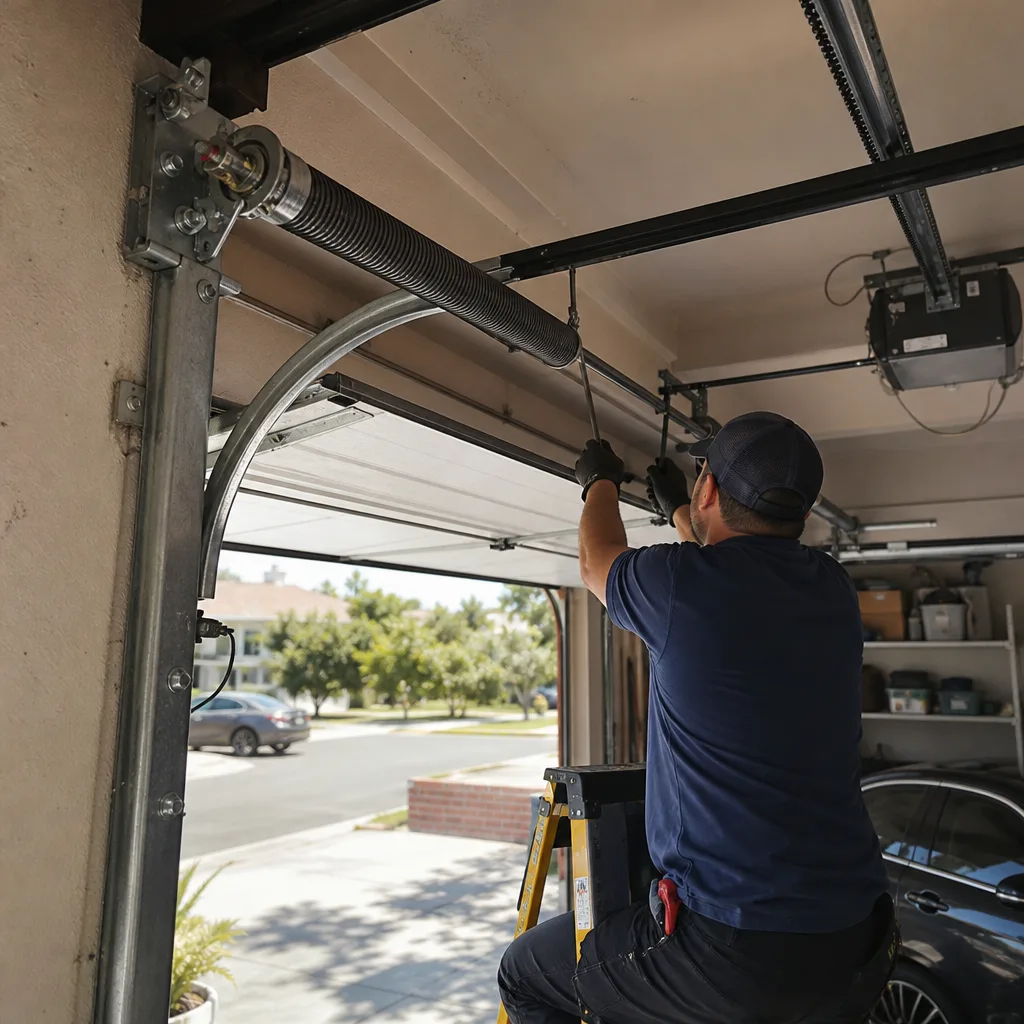
Full 25-point door and opener safety check with every visit - springs, cables, rollers, tracks, and your LiftMaster or Chamberlain opener included
You get a price before we start. It does not change when the truck arrives.
Get your free estimateChoosing the Right Garage Door Brand: A Buyer’s Guide for Los Angeles
The garage door brand that tops a national “best of” list was likely tested in a climate-controlled lab in the Midwest. That same door, installed three blocks from the beach in Santa Monica, might show rust streaks along the bottom panel within two years. Los Angeles doesn’t have one climate. It has at least four distinct microclimates, and the brand and material that work in Woodland Hills won’t necessarily survive in Playa del Rey. This guide—along with our Complete Guide to Garage Door in Los Angeles—explains what actually matters when choosing a garage door brand for a Los Angeles home, starting with the factors most national guides ignore.
Styles & brands we work with
Quick Answer
The best garage door brand in Los Angeles is the one whose parts are stocked locally, whose authorized service network actually covers your zip code, and whose material spec matches your neighborhood’s specific exposure to salt air, UV, or extreme heat. For most LA homeowners, that points toward steel doors from Amarr or Clopay with factory-applied corrosion-resistant coatings, paired with a LiftMaster or Chamberlain opener because local technicians, including our team at Chaparral Garage Door Repair home, see and service those units more than any other brand in the Los Angeles market.
Table of Contents
- Why Los Angeles Climate Filter Comes Before Brand Choice
- Material Viability Map: Steel, Aluminum, Composite, and Wood Across LA Zip Codes
- Opener Brands Through a Parts-and-Service Lens: LiftMaster, Chamberlain, Genie, and Marantec
- Why a Brand Popular in New Irvine Construction Fails in a 1960s Brentwood Home
- Smart Opener Features: What’s Useful in Los Angeles and What’s Marketing Noise
- How to Verify a Brand’s Warranty Is Serviceable Locally, Not Just Valid on Paper
- A Practical 7-Step Method for Choosing Your Brand
- Common Mistakes to Avoid
- When to Call a Professional
- Frequently Asked Questions
- The Bottom Line
Why Los Angeles Climate Filter Comes Before Brand Choice
In our experience repairing garage doors across Los Angeles, we’ve seen the same brand perform completely differently in Sherman Oaks versus Manhattan Beach. That’s because the city spans USDA hardiness zones 10a to 11, with marine-layer humidity near the coast, dry furnace heat in the Valley, and significant thermal swings in the foothills. These conditions stress door components differently than the national average.
Three environmental factors should filter your brand and material choice before you even look at a catalog:
- Coastal salt air causes galvanic corrosion on uncoated steel hardware, especially hinges, rollers, and the bottom weather seal retainer. Homes within three miles of the Pacific in neighborhoods like Venice, Marina del Rey, and San Pedro need doors with factory-applied zinc or e-coat primer layers, not just a painted finish.
- UV intensity in Los Angeles breaks down powder-coat finishes and plastic components faster than in most of the country. Dark-colored doors in the Valley, where summer surface temperatures regularly exceed 140 degrees on south-facing exposures, fade and chalk within five to seven years if the finish is non-UV-stabilized.
- Thermal cycling between hot days and cool nights causes expansion and contraction in panel joints and track assemblies. Doors installed without allowance for this movement develop panel separation and track binding, particularly in the San Fernando Valley and the Inland Corridor.
Brand matters, but material specification matters first. A premium brand’s entry-level uncoated steel door will fail sooner in a coastal Los Angeles neighborhood than a mid-tier brand’s properly coated marine-grade panel.
Material Viability Map: Steel, Aluminum, Composite, and Wood Across LA Zip Codes
Every garage door material has a different viability map across Los Angeles. Here’s how we break it down when advising a customer who’s choosing between brands:
Steel
Galvanized steel with a factory-applied primer and UV-stabilized topcoat is the default correct choice for most of Los Angeles. It handles the Valley’s heat without warping, resists coastal corrosion when properly coated, and carries the widest range of panel styles and insulation options. Brands like Amarr and Clopay offer 24-gauge and 25-gauge steel options with varying levels of factory coating. For homes east of the 405 and north of the 10, steel is almost always the right answer. For homes within two miles of the coast, specify the upgraded corrosion package. The price difference is typically $150 to $300 on a full door, and it adds five to eight years of useful life in salt-exposed zip codes.
Aluminum
Aluminum doors with frosted or tempered glass panels are common in modern Los Angeles architecture, particularly in the Hollywood Hills, West Hollywood, and newer builds in Culver City. Aluminum doesn’t rust, which makes it viable in coastal zones. But it dents more easily than steel, and in the Valley’s heat, aluminum panels transfer thermal energy fast. An uninsulated aluminum door on a west-facing garage in Encino can make that space 15 to 20 degrees hotter in August. If you choose aluminum, budget for a thermally broken frame and insulated glass. Raynor offers several aluminum full-view doors that handle LA’s modern aesthetic without the thermal penalty, but they run on the higher end of the price range.
Composite
Composite doors, typically a wood-look fiberglass or vinyl-over-steel construction, solve the moisture and warping issues that plague real wood in Los Angeles. They’re a strong choice for homes in Bel Air, Pacific Palisades, and other neighborhoods where wood aesthetics matter but coastal humidity would cause solid wood panels to swell and stick. Wayne Dalton’s composite lines have performed well in our service area, particularly on homes where the HOA restricts material changes but allows wood-look alternatives.
Wood
Solid wood doors are beautiful and expensive, but they’re the highest-maintenance option in Los Angeles. In the dry heat of the Valley, wood panels shrink and crack without seasonal sealing. In coastal fog zones, they absorb moisture and swell. We’ve replaced three-year-old custom cedar doors in Brentwood that looked fifteen years old because they were never sealed for the marine layer. If you’re set on wood, you need to commit to annual sealing, and you should buy from a manufacturer that kiln-dries its lumber specifically for the Western climate. Craftsman wood doors are widely available, but we tell customers buying them for Los Angeles homes to plan for maintenance costs of $300 to $600 per year.
Opener Brands Through a Parts-and-Service Lens: LiftMaster, Chamberlain, Genie, and Marantec
Your opener is its own system. Most homeowners buy the door and the opener together, but we encourage treating them as separate decisions. The opener brand that’s easiest to live with in Los Angeles isn’t necessarily the one with the highest marketing profile. It’s the one a technician can diagnose and repair quickly because the parts are stocked locally and the failure patterns are well understood.
Here’s how the four most common opener brands in Los Angeles compare from a repair standpoint:
- LiftMaster is the most frequently installed opener in Los Angeles garages, especially in homes built or renovated since 2000. The parts supply chain is deep, meaning logic boards, travel modules, and DC motors are available same-day from local distributors. Technicians across the city know the failure patterns. If you want the fastest-possible repair when something goes wrong, LiftMaster is the safe default. Its models with battery backup also handle the public-safety power shutoffs in foothill neighborhoods like La Cañada and Tujunga.
- Chamberlain shares engineering DNA with LiftMaster, and many Chamberlain parts interchange. Chamberlain units are sold through big-box retail, so they’re common in DIY installs. We see more installation-related failures on Chamberlain openers simply because the homeowner installed them without calibrating the force settings or safety sensors properly. But the units themselves are reliable, and the parts network in Los Angeles is solid.
- Genie has historically strong brand recognition, especially with homeowners who’ve owned a Genie for twenty years. The current-generation Genie units are quieter than older models due to their screw-drive evolution, but their parts network in Los Angeles is slightly thinner. We can get Genie parts, but occasionally on a next-day basis rather than same-day. If you have a Genie and it’s working, there’s no reason to replace it. If you’re choosing new, factor in that repair parts may take an extra day.
- Marantec openers are less common in Los Angeles residential garages. They’re well engineered and quiet, but fewer local technicians carry Marantec-specific diagnostic familiarity, and parts often require ordering from a regional distributor. We service Marantec, but we’re honest with customers: a Marantec failure in Los Angeles will usually take longer to resolve than a LiftMaster failure, simply because the local parts density is thinner.
The pattern we see in Los Angeles is clear: brand popularity in a region creates a self-reinforcing service advantage. The more LiftMaster and Chamberlain units in local garages, the more parts distributors stock, the faster repair times become. That’s not a statement about engineering quality. It’s a statement about logistics, and logistics is what determines whether your garage door is back up and running in four hours or four days.
Why a Brand Popular in New Irvine Construction Fails in a 1960s Brentwood Home
This is one of the least discussed factors in garage door brand selection, and it’s the one that costs Los Angeles homeowners the most money when ignored. A brand that performs great in new construction might be a poor fit for an older home, and the reason has nothing to do with the brand’s quality. It’s about rough opening dimensions.
New construction in master-planned communities like Irvine, Porter Ranch, and Playa Vista is built to modern standard opening sizes, typically 8 feet by 7 feet or 16 feet by 7 feet with consistent framing tolerances. A door engineered for those openings installs in hours with minimal shimming or track modification.
Homes built in the 1940s through the 1970s in neighborhoods like Brentwood, Sherman Oaks, and the Miracle Mile often have non-standard rough openings. The framing may be out of square by half an inch or more. The opening height may be 6 feet 11 inches rather than 7 feet. The side clearance for the vertical track may be 3 inches instead of the 4 inches modern doors assume. None of this is a defect in the house. It’s just how residential framing was done before standardized production methods took over.
When a brand-new door designed for modern tolerances is installed on a non-standard Los Angeles opening, the result is a door that binds, rubs, or leaks light around the edges. We’ve seen homeowners in Brentwood buy a brand-new door from a brand with excellent new-construction reviews, only to discover that the installation requires custom track work, longer verticals, or modified jamb brackets. That’s not a warranty item. It’s an installation adaptation, and it costs $200 to $600 extra if the installing company even knows how to do it.
Before you settle on a brand, have the opening measured by someone who knows older Los Angeles housing stock. If you have a non-standard opening, certain brands and models give you more flexibility. Amarr and Clopay offer more customization in track types and panel trimming than budget-focused brands like Craftsman, which tends to assume standard openings. The brand decision matters, but the opening dimension comes first.
Smart Opener Features: What’s Useful in Los Angeles and What’s Marketing Noise
Smart garage door openers have been standard on mid-tier and premium models for several years now. Most of the features work as advertised. Some of them are genuinely useful for Los Angeles homeowners. Others add $100 to the price for functionality you’ll never touch.
What’s genuinely useful:
- Real-time open/close alerts. This is the single most practical smart feature for Los Angeles commuters. If you’re driving east on the 10 at 6:45 AM and you can’t remember whether you closed the garage door after backing out, a phone alert answers the question without turning around. We’ve installed LiftMaster smart systems for customers in Culver City, Mid-City, and Eagle Rock specifically for this reason.
- Remote close from anywhere. A package gets delivered, you open the garage for the courier, you close it from your office in Santa Monica. Useful if you actually use it. Most people don’t, but those who do report it changes how they handle deliveries.
- Battery backup. This isn’t a smart feature exactly, but it’s bundled on most smart openers. For neighborhoods in wildfire-prone zones like the San Gabriel foothills or the Santa Monica Mountains, where public-safety power shutoffs can last 24 to 48 hours, battery backup means your garage door still works when the grid is down. If your car is parked in the garage and the power is off, a non-backup opener means manually releasing the trolley, which most homeowners have never done.
What’s marketing noise:
- Voice assistant integration. “Alexa, is my garage door open?” is fun for the first week. After that, your phone does the same job in the same amount of time. We’ve never had a customer tell us voice control changed their life.
- Subscription-based camera packages. Many smart openers offer optional camera add-ons with cloud storage subscriptions. The camera hardware is fine, but the monthly fee model adds cost without meaningful benefit for most Los Angeles homes. A $40 standalone security camera pointing at the driveway does the same job without the recurring charge.
- Diagnostic push notifications that require a technician anyway. Your opener might tell you “force limit exceeded” in a nice app notification. That’s information, but it doesn’t change the outcome. You still need a technician to recalibrate the unit. The alert is nice. It’s not worth paying extra for.
How to Verify a Brand’s Warranty Is Serviceable Locally, Not Just Valid on Paper
Every garage door brand offers a warranty. Where they differ dramatically is in how that warranty translates into service in Los Angeles. A lifetime warranty on a spring from a manufacturer with no authorized service presence in Southern California is a piece of paper. A five-year warranty from a brand with three authorized distributors in the LA metro area is a working promise.
Here’s the verification process we recommend, in numbered steps, before you commit to a brand:
- Look up the authorized service network map on the manufacturer’s website. Enter your Los Angeles zip code. If the nearest authorized service provider is in Riverside or Bakersfield, that warranty will be a logistical headache. The technician has to drive two hours to diagnose a claim.
- Call one of the listed service providers and ask a specific question. Not “do you handle warranty work” but “if my brand-name door spring fails under warranty in zip code 90025, does the manufacturer ship the replacement component to you, or is it drop-shipped to me and I bring it to you?” The answer tells you how the process actually works.
- Check whether the warranty covers labor or parts only. Most garage door warranties are parts-only. That means the $80 spring is covered, but the $200 service call to diagnose and install it is not. A few brands, including higher-end Amarr lines, include labor on specific components for the first year. The labor coverage is worth real money if you need it.
- Ask about the corrosion exclusion. This is the warranty clause most relevant to Los Angeles coastal buyers. Many manufacturers explicitly exclude surface rust and corrosion from warranty coverage unless the door was purchased with a factory-applied corrosion package. If you live in Venice, Playa del Rey, or San Pedro and buy a standard steel door, surface rust at year three is on you. We tell coastal customers this upfront because discovering it after the fact is infuriating.
- Confirm that the brand’s warranty transfers if you sell the house. Some brands prorate or void warranty coverage on transfer of ownership. In a Los Angeles market where homes change hands regularly, that affects resale value.
This verification process takes about 30 minutes. In our experience, it changes the purchasing decision for about one in five Los Angeles homeowners, usually steering them away from a brand whose warranty reads well online but whose local service network is thin.
A Practical 7-Step Method for Choosing Your Brand
If you’re starting from zero, here’s the sequence we walk through with Los Angeles homeowners, which we also cover in The Complete Garage Door Repair Guide for Los Angeles Homeowners. Run through it in order, and the brand decision usually resolves itself by step five.
- Determine your climate exposure. Are you within three miles of the ocean, in the Valley heat, or somewhere in between? This determines whether you need a corrosion package, a UV-stabilized finish, or both. Write down “coastal,” “valley,” or “intermediate.”
- Measure your opening. If you have a non-standard rough opening, you need a brand with customization options. If your opening is standard, your brand options expand.
- Set a material preference based on steps one and two. Coastal plus standard opening usually means coated steel or aluminum. Valley plus standard opening usually means galvanized steel. Non-standard opening plus coastal usually means coated steel with custom track.
- Pick two or three brands that offer the right material in your price range. For most Los Angeles homes, that shortlist includes Amarr, Clopay, and Wayne Dalton. Raynor is a contender if you want the full-view aluminum aesthetic. Craftsman is a budget option if your opening is standard.
- Compare the opener separately. Choose a LiftMaster or Chamberlain for the fastest local service, or a Genie if you’re already familiar with the brand. Treat the opener as an independent decision from the door itself.
- Run the warranty verification steps above. If a brand on your shortlist fails the serviceability check, drop it.
- Get quotes from at least two companies that actually service the brand you’re buying. An installer who carries the brand on paper but never services it in the field is selling you a box. An installer who services that brand every week in Los Angeles is selling you a working system. Ask the question directly: “How many of this brand’s doors have you repaired in the last year?” The answer is more informative than any brochure.
Common Mistakes to Avoid
- Buying the brand by national reputation without checking local parts availability. The highest-rated national brand may have thin parts distribution in Los Angeles, which means a simple opener board replacement takes five days instead of one. National rankings don’t measure local service density.
- Choosing an uncoated steel door for a coastal Los Angeles home. Within three miles of the Pacific, the standard factory finish on many steel doors is insufficient. We’ve seen bottom panels rust through in Redondo Beach and Long Beach while the same door in Silver Lake looks new at the same age.
- Ignoring the rough opening dimensions on an older home. A 1960s Brentwood house or a 1950s Valley ranch often has non-standard framing. Buying a door that assumes modern tolerances means paying for custom modifications after the fact.
- Paying extra for smart features you’ll never use. Voice integration and subscription camera packages add $100 to $200 to the opener price. Most Los Angeles homeowners use exactly two smart features: open/close alerts and remote close.
- Assuming the warranty covers labor. Parts-only is the industry standard. If a $40 logic board fails at month eight, you’re paying $150 in labor to have it swapped under warranty. Read the labor coverage clause before buying.
- Choosing a wood door for a low-maintenance Los Angeles home. Wood doors demand annual sealing in both Valley heat and coastal humidity. If you don’t have a maintenance habit, composite or coated steel will look better in five years.
- Treating the opener and the door as one decision. They’re separate systems with separate failure patterns and separate service realities. The door brand that’s right for your home may not be the best opener brand for your service needs.
When to Call a Professional
Some homeowners run through this guide and make a confident decision in an afternoon. Others get to step three and realize they’re guessing at their climate exposure or opening dimensions. That’s the right moment to call a professional, not after you’ve already ordered a door. If your garage door currently works but you’re planning a full replacement, a technician can measure your opening, assess your local exposure, and give you a brand recommendation based on what they actually service in Los Angeles, not what a brochure says. If your door has already failed, and you’re replacing rather than repairing, the professional conversation starts with whether repair makes more sense. Repair or replace, we’ll tell you which one actually makes sense. Chaparral Garage Door Repair offers free estimates in Los Angeles – call (866) 472-6497. We work on your brand, including Garage Door Repair in Los Angeles for all major manufacturers.
Frequently Asked Questions
The best garage door brand for a coastal Los Angeles home is one that offers a factory-applied corrosion-resistant coating on steel, typically an upgraded finish option from Amarr or Clopay, or an aluminum door from Raynor. The brand matters less than specifying the marine-grade coating. Expect to pay $150 to $300 extra for that package. Call (866) 472-6497 for a free estimate on a coastal-spec door.
A new single-bay garage door in Los Angeles typically costs $1,600 to $4,200 installed, depending on material, insulation, and whether your opening is standard or non-standard. Double-bay doors run $2,800 to $7,000. Custom track work on older Los Angeles homes adds $200 to $600. Garage Door Installation in Los Angeles includes a written quote before any work starts.
If your opener is more than ten years old, replacing it at the same time as the door usually makes sense because the new door’s weight and balance differ from the old one, and a new opener includes current safety sensor technology. If your opener is newer and in good condition, it can stay. Your opener is its own system, and we can evaluate it separately through our Garage Door Opener Repair in Los Angeles service.
LiftMaster and Chamberlain openers are the most commonly serviced in Los Angeles because they’re the most widely installed. That density means parts are stocked locally and repair times are shorter. Genie is also common but has a slightly thinner parts network. Marantec is serviceable but less familiar to many local technicians. For the fastest repair when something fails, LiftMaster or Chamberlain is the practical choice.
Most garage door warranties explicitly exclude surface rust and corrosion unless the door was purchased with a factory-applied corrosion package. Standard steel doors in coastal Los Angeles neighborhoods like Venice and San Pedro typically develop surface rust at the bottom panel within two to three years without that package. Check the corrosion exclusion clause before buying, because it’s the most common warranty surprise we hear about.
Yes, a new garage door can be installed on a 1960s Brentwood home with a non-standard opening, but it requires a brand with customization options and an installer who knows older Los Angeles housing stock. The opening is measured first, then the door is ordered to match, and custom track or jamb modifications are built into the quote before any work begins. Call (866) 472-6497 to schedule a measurement.
The Bottom Line
The right garage door brand for a Los Angeles home is determined by your specific climate exposure, your home’s rough opening dimensions, and how well the brand’s local service network supports repair when something fails. National rankings are almost useless in Los Angeles because they don’t account for coastal salt air in Venice, Valley heat in Woodland Hills, or non-standard framing in Brentwood. Choose the material and coating first, then pick a brand that offers that spec and has a serviceable local warranty. Pair the door with a LiftMaster or Chamberlain opener for the fastest parts availability. Measure twice, verify the warranty locally, and browse our more guides & resources, or call (866) 472-6497 for a free estimate.
Written by the team at Chaparral Garage Door Repair, serving Los Angeles since 2018.
See the difference
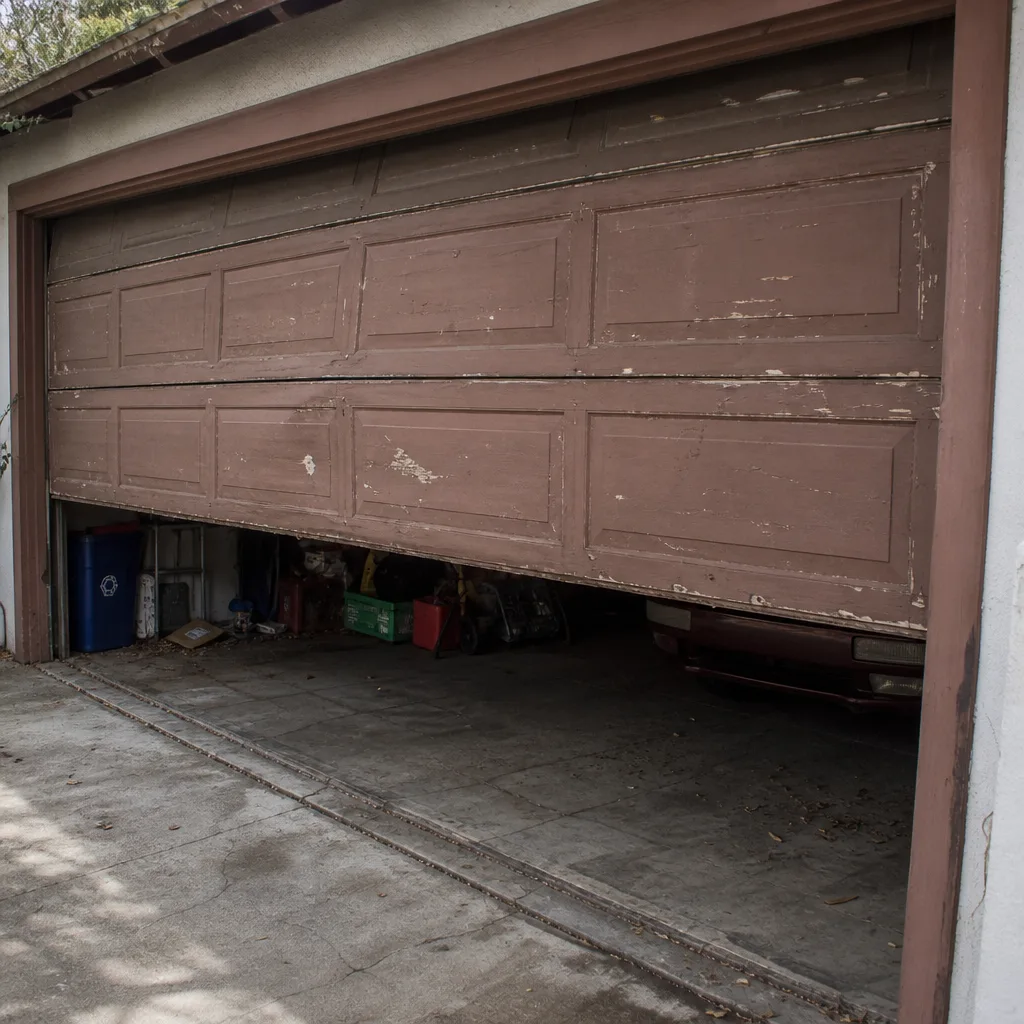 Before
 After
 Before
 After
 Before
 After