Last updated October 30, 2026
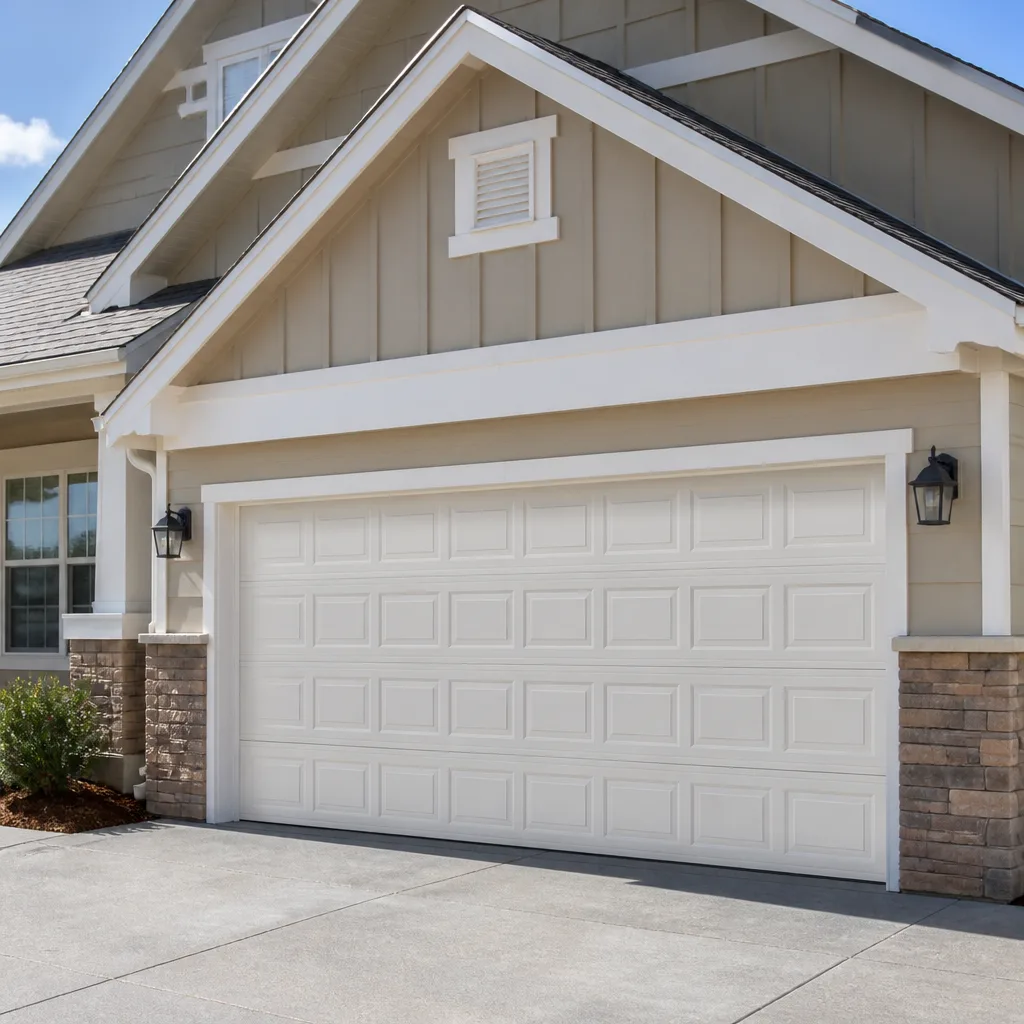 Raised-panel steel
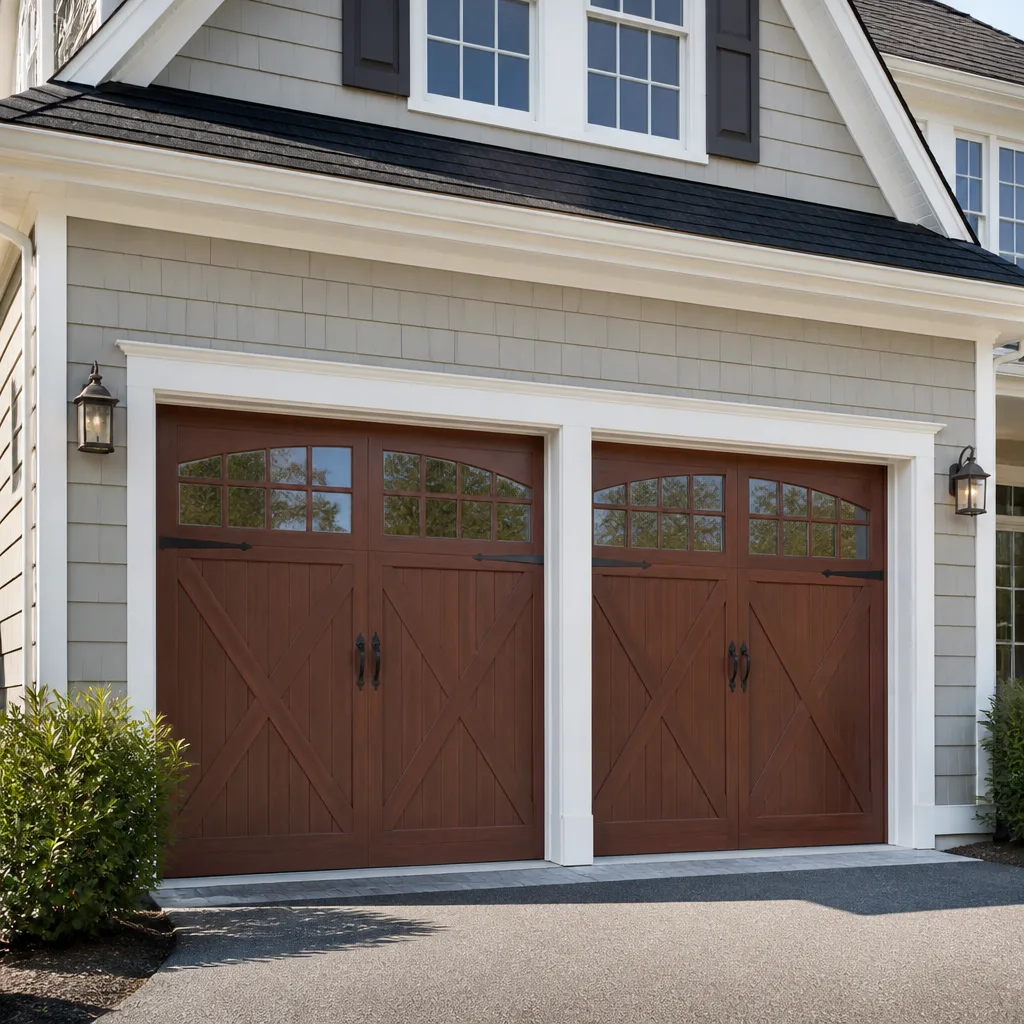 Carriage house
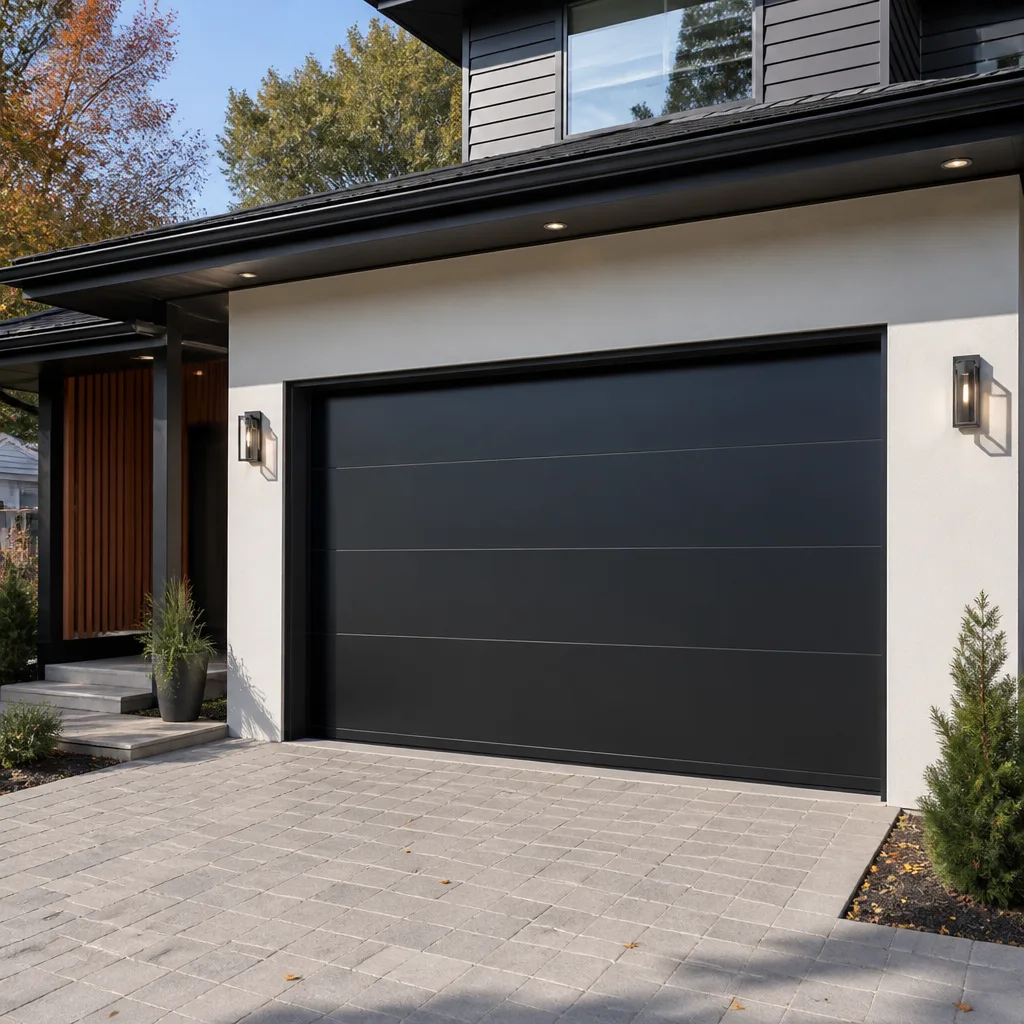 Modern flush
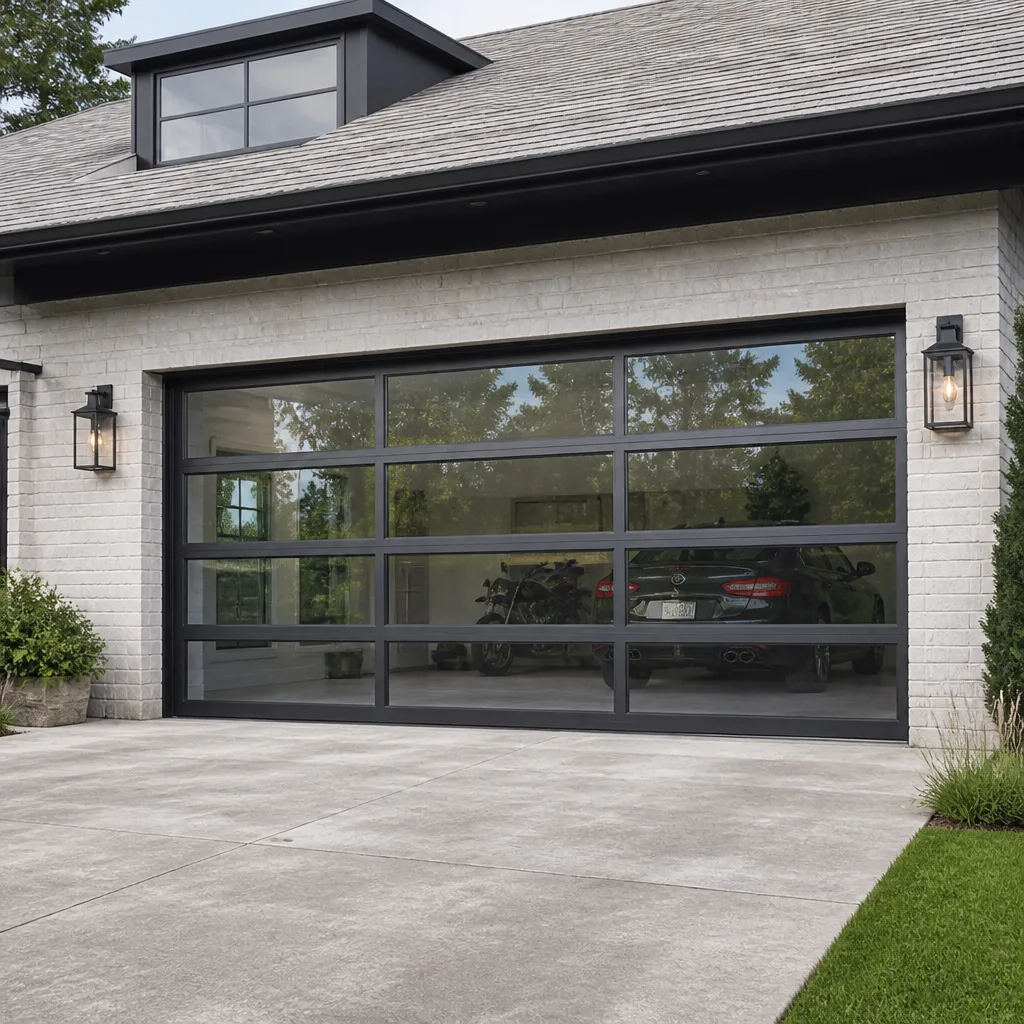 Full-view glass
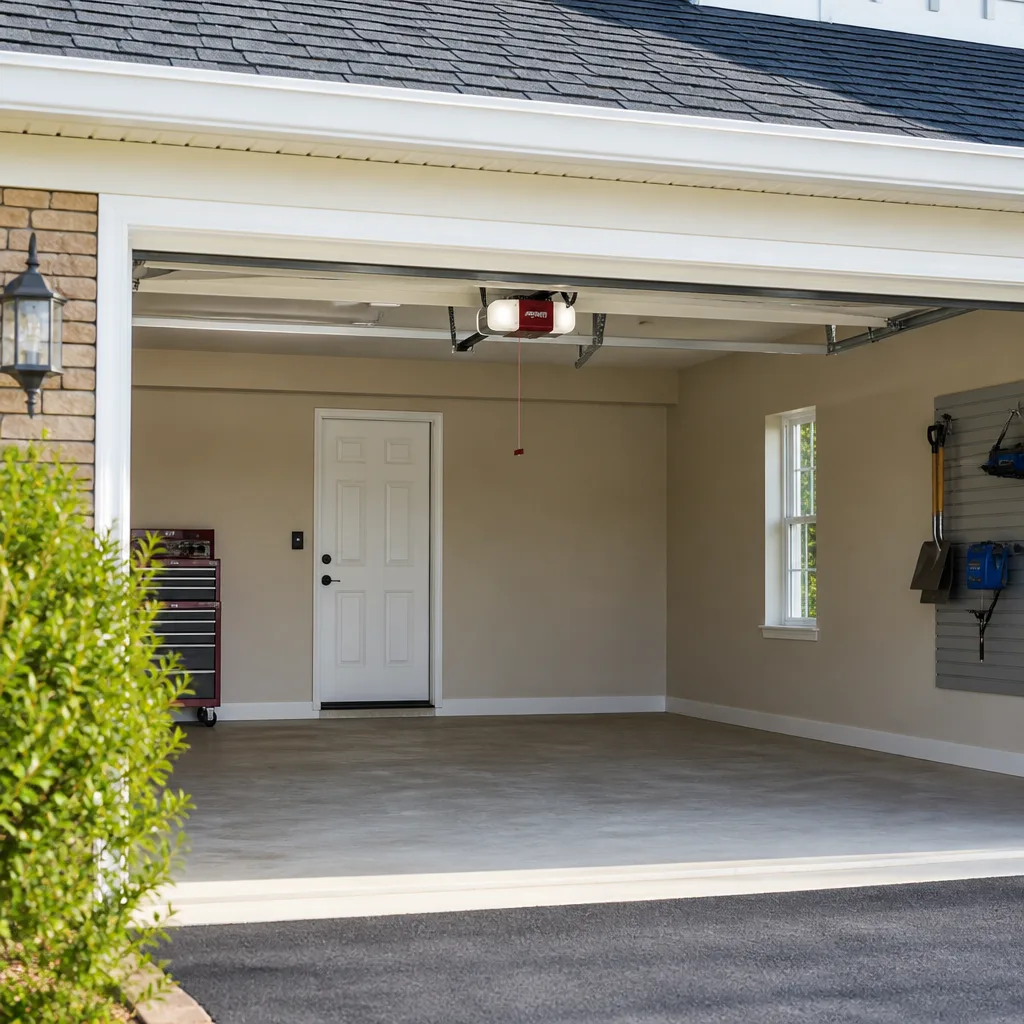 LiftMaster openers
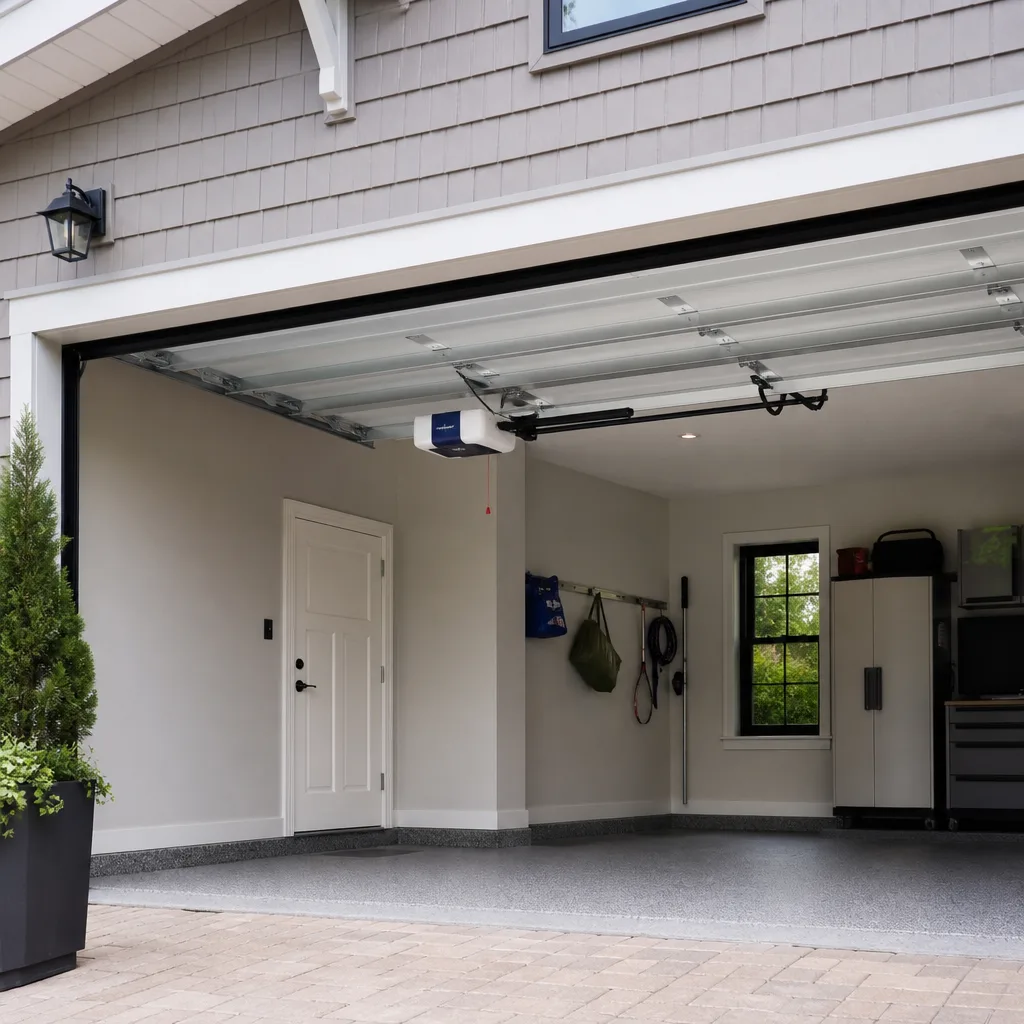 Chamberlain openers
Full 25-point door and opener safety check with every visit - springs, cables, rollers, tracks, and your LiftMaster or Chamberlain opener included
You get a price before we start. It does not change when the truck arrives.
Get your free estimateGarage Door Warning Signs: A Los Angeles Homeowner’s Reference Guide
Most garage door failures in Los Angeles don’t happen without warning. They announce themselves weeks in advance through specific sounds, hesitations, and visual cues that most homeowners write off as normal aging. A door that shudders on the way up, a spring that creaks in a particular rhythm, a cable that looks slightly fuzzy at the edge: each is a diagnostic signal, and reading them correctly can mean the difference between a $200 tune-up and a $1,400 emergency replacement. This guide is a translation manual. We’ll walk through what your door is actually saying, which signals are safe to monitor, and which ones mean stop using the door today.
Quick Answer
A garage door that hesitates, jerks, scrapes, or groans is signaling one of three underlying issues: worn rollers or tracks, failing springs, or an opener that’s losing its ability to move the door safely. A 30-second balance test and a visual check of the springs, cables, and rollers will tell you whether you’re looking at routine maintenance or a safety hazard. In Los Angeles, where dry-season dust and Santa Ana conditions accelerate wear on moving parts, catching these signals early is the single most effective way to avoid a full system failure.
Styles & brands we work with
Table of Contents
- The Symptom-to-Cause Index: What Each Sound Actually Means
- Visual Warning Signs Most Los Angeles Homeowners Walk Past Daily
- Two 30-Second Checks That Reveal Whether Your Door Is Safe to Operate
- How Santa Ana Season and June Gloom Trigger Different Failure Signatures in Los Angeles
- Schedule Service This Week vs. Stop Using the Door Today: A Triage Framework
- Brand-Specific Warning Patterns: Amarr, Wayne Dalton, Craftsman, and Raynor
- Your Opener Is Its Own System: Warning Signs That Point to the Motor, Not the Door
- What Each Warning Sign Typically Costs to Fix in Los Angeles
The Symptom-to-Cause Index: What Each Sound Actually Means
Garage doors speak in five primary sounds, and each one points to a different component and a different level of urgency. Here’s the translation key.
Grinding
A grinding sound, especially one that gets worse when the door is moving slowly or starting from a dead stop, almost always means metal-on-metal contact in the track system. The usual culprits are roller bearings that have lost their lubrication or begun to seize, or a track that’s drifted out of alignment and is forcing the rollers to fight against the rail. Grinding is a medium-urgency signal: you can keep using the door for a few days, but every cycle is accelerating the wear. A seized roller will eventually stop rolling entirely and start dragging, which can etch a groove into the track and turn a $20 part replacement into a $400 track replacement.
Squealing
Squealing is the most commonly misinterpreted garage door sound. Homeowners often describe it as “the door just needs some WD-40,” but in our experience in Los Angeles, a persistent squeal during operation usually points to one of two things: a torsion spring that’s losing its internal lubrication, or a bearing plate at the end of the spring bar that’s worn out. Neither is a DIY fix. A dry spring is under enormous tension, and a squeal from that area means friction is building inside the coil. Left unaddressed, a squealing spring becomes a snapping spring, and a snapping torsion spring is a violent event that can damage the door, the car, or a person standing nearby. If the squeal is coming from the spring area, stop using the door and call a garage door repair specialist in Los Angeles the same day.
Popping
A single, sharp pop is different from a repeating noise. A repeating popping or clicking during operation is usually a section hinge that’s started to bind, or a roller moving past a dented section of track. A single loud pop followed by the door suddenly feeling heavy or unbalanced is almost always a torsion spring that has just snapped. If you hear one loud pop and then the door won’t lift, or lifts only a few inches with the opener straining, you’ve just had a spring failure. Do not attempt to operate the door manually. The remaining spring, if there is one, is now carrying the entire weight of the door and may also be close to failure.
Rattling
Rattling is the most common sound in Los Angeles garages, and it’s usually the least urgent. Loose hardware: hinge bolts, track brackets, opener mounting bolts, or simply the handle and lock assembly vibrating against the door. A rattling door that still opens and closes smoothly is safe to operate, but the rattle itself is a warning that components are working loose. Every week of rattling is another week of vibration loosening bolts further. A 15-minute tightening pass with a socket set usually resolves it. The exception: if the rattle is coming from the opener rail or the motor head while the opener is running, that can indicate a loose chain or belt, or worn gears inside the unit. That’s an opener issue, not a door issue, and it’s worth addressing before the motor burns out.
Scraping
Scraping is distinct from grinding in that it’s usually intermittent: the door scrapes at one point in its travel cycle, then goes quiet. That pattern points to a track misalignment that’s only severe enough to cause contact in one section of the rail, or a door that’s slightly out of square and rubbing against the jamb on one side. In older Los Angeles homes with wood-framed garages, we commonly see door frames that have shifted slightly over decades of seismic settling, creating a scrape that only appears when the door reaches a certain point. A scraping door is safe to operate in the short term, but the scrape means the door is off its ideal path, and that off-path movement puts uneven load on the springs and rollers. Left unaddressed for months, a scrape becomes a grind, and a grind becomes a seized roller or a bent track.
Quick Sound-to-Urgency Reference
- Grinding: Rollers or track. Medium urgency. Schedule service this week.
- Squealing from spring area: Spring or bearing plate. High urgency. Stop using the door, call today.
- Single loud pop + door feels heavy: Broken spring. Critical. Do not operate.
- Repeating pop or click: Hinge or track obstruction. Medium urgency. Schedule service this week.
- Rattling: Loose hardware. Low urgency. Tighten or call for a tune-up.
- Scraping at one point: Track alignment. Medium urgency. Monitor, then schedule.
Visual Warning Signs Most Los Angeles Homeowners Walk Past Daily
Sounds are the most obvious warning signs, but the visual ones are the ones that go unnoticed the longest. In a city where the garage is often the primary entry point, homeowners walk past these signals every single day without registering them.
Cable Fraying
Look at the steel cables that run along each side of the door and attach to the bottom brackets. They should look smooth and uniform. If you see fuzziness, loose strands, or a section where the cable looks slightly thinner than the rest, that cable is in the process of failing. On doors from brands like Amarr and Wayne Dalton, the cable system is under constant tension, and a fraying cable is a countdown to a snapped line. A snapped cable doesn’t just stop the door: it can whip with enough force to cause serious injury. If you see fraying, stop using the door and call for service immediately. This is not a monitor-and-wait situation.
Rust Patterns on Springs
Torsion springs don’t rust evenly. They rust where moisture and stress concentrate: at the ends, where the coils seat against the stationary cones, and in the middle, where the spring flexes most. In coastal Los Angeles neighborhoods like Playa del Rey or San Pedro, salt air accelerates this process dramatically. A spring that shows red-brown discoloration at the ends or center is a spring that’s losing its structural integrity. Surface rust on the exterior of the coil is cosmetic; rust that appears to penetrate into the coil itself, or rust accompanied by visible gaps between coils, is a structural failure in progress. Treat any spring with visible end-rust as a high-urgency replacement candidate.
Roller Wear
Rollers are the most overlooked component on a garage door because they’re small and mostly hidden inside the track. But a worn roller is the single most common cause of slow, labored door movement. Look at the rollers you can see when the door is closed. If the wheel portion appears to be smaller than the gap it runs in, if it wobbles when you push on the door, or if the wheel itself looks flattened on one side, the roller is shot. Nylon rollers wear quietly but still lose their shape. Steel rollers wear noisily. Either way, a worn roller forces the door to work harder, which shortens the life of the springs and strains the opener.
Panel Stress Cracks
Hairline cracks or stress marks on garage door panels are common on single-layer steel doors, especially those from Craftsman and Raynor installations that have been through a decade or more of Los Angeles temperature swings. A hairline crack in a panel is usually cosmetic. A crack that’s spreading, or a panel that’s begun to bow outward, is structural. A bowed panel means the door’s load-bearing geometry has changed, and that change puts uneven stress on the hinges, the springs, and the opener. In earthquake-prone Los Angeles, a structurally compromised panel is also a safety risk: it’s the panel most likely to fail during a seismic event.
Wear Marks on the Track
Look at the vertical track sections on both sides of the door. You’re checking for shiny grooves or dark streaks where the roller has been making contact in a way it shouldn’t. A healthy track-and-roller system shows minimal wear marks: the roller sits in the center of the rail and rolls, rather than scrubbing against the sides. If you see a polished groove running along the inside edge of a track, that track is out of alignment, and the door has been grinding against it for some time. The fix is usually a track re-alignment, which is a routine service call, but the longer it goes uncorrected the more expensive the repair becomes.
Two 30-Second Checks That Reveal Whether Your Door Is Safe to Operate
You don’t need to be a technician to run these two tests. You need 30 seconds and a basic understanding of what a healthy door feels like.
The Balance Test
- Close the door completely.
- Pull the red emergency release cord to disconnect the opener from the door. The door should now be movable by hand.
- Lift the door manually to about waist height – roughly three feet off the ground – and let go.
- Observe what happens.
A properly balanced door will stay where you left it, or drift very slowly downward. That balance means the springs are doing their job: they’re holding the weight of the door so the opener only has to move it, not lift it. A door that drops quickly when you let go means the springs have weakened and are no longer holding the weight. A door that springs upward on its own means the springs are over-tensioned, which is less common but equally problematic. Both conditions force the opener to work against the door instead of with it, and both shorten the opener’s life dramatically. If your door fails the balance test, this is the time to consider whether repair or full replacement makes more sense for your system.
The Force Test
- Reconnect the door to the opener by running the opener until it re-engages, or by pulling the release cord toward the door and operating the opener once.
- Place a 2×4 or similar block of wood flat on the ground directly under the door’s closing path.
- Close the door using the opener.
- Watch what happens when the door reaches the block.
A properly adjusted door with a functioning safety reversal system will reverse direction the moment it contacts the block. If the door stops on the block and sits there, or if it presses down on the block and continues trying to close, the force setting on your opener is set too high, or the safety sensors are misaligned. In Los Angeles, where garage doors are primary entry points for many households, a door that doesn’t reverse on contact is a serious safety hazard, especially for homes with children or pets. This is a garage door opener repair issue, and it’s one that can’t wait.
How Santa Ana Season and June Gloom Trigger Different Failure Signatures in Los Angeles
Los Angeles has a climate pattern that most other cities don’t share, and it affects garage door systems in specific, predictable ways. Understanding the seasonal signatures can help you anticipate problems before they happen.
Santa Ana Season: October through December
Santa Ana winds bring dry, dust-laden air sweeping down from the high desert. Humidity levels can drop below 10% for days at a time. For a garage door, that means every lubricated surface dries out faster: roller bearings, hinges, spring coils, and the internal gears of the opener. The dust itself is the second problem. Fine desert particulates work their way into the track channels and onto the roller surfaces, creating a grinding paste that accelerates wear. In our experience serving Los Angeles garages across the Santa Ana corridor, the most common failure signature we see during this season is a door that moves smoothly in the morning and becomes progressively noisier through the day as the dust accumulates. The dust-laden dry air also causes static buildup on opener circuit boards, which can trigger intermittent remote-control failures: the door won’t respond, then ten minutes later it works fine. That pattern is a classic Santa Ana signature.
June Gloom: May through July
June Gloom brings the opposite conditions: weeks of overcast skies, cool temperatures, and elevated marine-layer humidity. For steel components like torsion springs, hinges, and cable hardware, that consistent moisture promotes surface rust. This is especially pronounced in homes within five miles of the coast, where the marine layer sits longest. The failure signature of June Gloom is quieter: rusted spring ends that fail without warning, cables that have been quietly oxidizing for weeks, and opener circuit boards that develop corrosion-related glitches. A spring that squeaks in June is telling you that June Gloom has been working on it. The pattern is consistent enough that we recommend an annual spring and cable inspection in late spring, before the marine layer settles in for its longest stretch.
Schedule Service This Week vs. Stop Using the Door Today: A Triage Framework
Not every garage door warning sign demands an emergency call. Some do. Here’s a clear decision framework we use when Los Angeles homeowners ask us how urgent their situation is.
Stop Using the Door Today
These conditions mean the door is actively unsafe to operate. Stop using it, unplug the opener if necessary, and call for service the same day.
- A snapped spring. You’ll know because you heard a loud pop and the door suddenly won’t lift. Do not open or close the door manually. The remaining components are under unsafe tension.
- A visibly frayed or partially snapped cable. A cable with loose strands or a visible break is holding a fraction of the weight it’s rated for. It can fail completely on the next cycle.
- The door won’t reverse on contact with an obstruction. This means the safety reversal system has failed, and the door can close on a person, pet, or vehicle with full force.
- A door that’s visibly off its track. If you can see a roller outside the track channel, or the door is hanging at an angle, every additional cycle risks the door falling.
Schedule Service This Week
These conditions mean the door is still functioning, but active wear is underway. Continuing to operate it for a few more days is acceptable, but every cycle advances the damage.
- Grinding or scraping sounds that indicate roller or track wear.
- A door that noticeably hesitates before beginning to close, or that shudders on the way down.
- Rust visible on spring ends or cable hardware. The structural integrity is compromised but not yet failed.
- A door that fails the balance test by dropping quickly when released at waist height.
- An opener that runs for a few seconds before the door starts moving, or that makes a straining sound during operation.
Monitor and Re-check Monthly
These conditions are normal wear that’s worth keeping on your radar. They don’t require service today, but they’re the early-warning indicators that often precede bigger problems.
- Mild rattling that doesn’t affect door movement.
- Surface rust that’s cosmetic and has not penetrated the metal.
- Slow operation (a full open cycle taking noticeably longer than a year ago) without accompanying noise or hesitation.
- A door that’s balanced but produces a single soft creak at one point in its travel.
Brand-Specific Warning Patterns: Amarr, Wayne Dalton, Craftsman, and Raynor
Every brand has its own engineering quirks, and over years of working on Los Angeles garage doors, we’ve learned the warning patterns that show up more frequently on specific manufacturer lines.
Amarr
Amarr doors are known for their heavier-gauge steel panels and a torsion spring system that’s generally robust. The warning sign we see most frequently on Amarr installations in Los Angeles is a slow, gradual spring fatigue that shows up as a door that passes the balance test but feels noticeably heavier at the manual-lift point than it did a year earlier. Amarr springs tend to weaken progressively rather than snap suddenly, which is good news for catching the problem early. The bad news is that homeowners often miss the gradual change because there’s no dramatic failure event. If your Amarr door feels heavier than it used to, even slightly, that’s the warning sign.
Wayne Dalton
Wayne Dalton’s TorqueMaster spring system is an enclosed design that looks different from a standard torsion spring setup. It sits inside a steel tube above the door rather than exposed on a bar, which means the classic visual rust check doesn’t apply. The warning sign for a TorqueMaster system is a spring that suddenly loses tension: the door becomes heavy and the opener strains, but there’s no visible spring break and often no loud pop. Homeowners frequently describe this as “the door just started acting weird.” If your Wayne Dalton door suddenly feels heavy or the opener seems to be working harder, the enclosed spring system is the first thing to check.
Craftsman
Craftsman is a widely installed door line in Los Angeles homes built in the 1980s and 1990s. The warning pattern we see most often is roller and hinge wear that produces a rattling, slightly loose-feeling door. Craftsman doors from that era were often installed with steel rollers that were never replaced, and by year 15 or 20, the rollers are worn enough that the door feels sloppy in the tracks. The door still operates, but the looseness accelerates panel stress and track wear. The warning sign is a door that rattles and wobbles slightly as it moves, even after hardware tightening.
Raynor
Raynor doors are common in Los Angeles commercial and residential applications, and the distinctive warning sign we see is cable wear at the bottom bracket connection point. On Raynor installations, the cable tends to develop fatigue at the point where it wraps around the bottom bracket drum, rather than fraying along the length. That wear pattern produces a door that drops slightly on one side as it starts to close, then levels out. If your Raynor door dips on one corner during the first few inches of travel, inspect the bottom cable attachments or call a tech who works on Raynor systems regularly.
Your Opener Is Its Own System: Warning Signs That Point to the Motor, Not the Door
One of the most common misdiagnoses in garage door repair is treating an opener problem as a door problem, or vice versa. They’re two separate mechanical systems that happen to work together, and the warning signs are different.
Opener-Specific Warning Signs
- The motor runs but the door doesn’t move. This almost always means the opener’s internal drive gear has failed, or the chain or belt has come off the sprocket. The door itself is typically fine.
- The door reverses before reaching the floor, or reverses immediately after touching the floor. This is a limit-switch setting issue, not a door problem. The opener’s travel limits need adjustment.
- The remote works intermittently, or the wall button works but the remote doesn’t. This points to the opener’s receiver board, antenna, or remote programming, not the door.
- The opener makes a grinding or whining sound similar to the door-grinding sound described earlier, but the noise is coming from the motor unit mounted to the ceiling, not from the door tracks.
- The opener starts, stops, and reverses for no apparent reason when the door is in clear view. This is frequently a sensor alignment issue: the photo-eyes near the floor have drifted out of line.
If you’ve identified an opener-specific warning sign, the fix is different from a door repair. It requires someone who understands the motor, the drive mechanism, and the safety sensor logic of your specific opener model. At Chaparral Garage Door Repair, we treat garage door opener repair in Los Angeles as its own specialized service, because the diagnostic process is genuinely different from door hardware repair. A tech who knows LiftMaster openers deeply is the same tech who’ll correctly diagnose a Chamberlain or Genie unit, because the underlying logic is shared across those platforms.
What Each Warning Sign Typically Costs to Fix in Los Angeles
If you’ve identified a warning sign, the next question is usually what it’s going to cost to address. Here are the typical Los Angeles market ranges we quote for the most common warning-sign repairs. These are ranges, not quotes: your specific door brand, age, and condition will move the number within the band.
Los Angeles Warning Sign Repair Cost Ranges
- Worn roller replacement (all rollers): $120 to $180, depending on roller type (nylon vs. steel) and door size.
- Track re-alignment: $95 to $150 for a single-side adjustment; $180 to $250 for a full two-side re-alignment.
- Spring replacement (single torsion spring): $180 to $340 per spring, including parts and labor. Double-spring doors typically run $350 to $600 total.
- Cable replacement (single cable): $90 to $160 per cable. Most techs recommend replacing both cables simultaneously, bringing the total to $180 to $300.
- Hinge replacement (set): $40 to $90 per door, depending on the number of hinges.
- Opener limit switch adjustment: $75 to $120 for a service call, often folded into a tune-up visit.
- Full opener replacement: $350 to $650 for a mid-range belt-drive unit, including installation. Smart-home-enabled openers run higher.
The most important number to know: a spring replacement or cable replacement on a well-maintained door is a fraction of the cost of a full door replacement after a catastrophic spring snap damages panels, track, and the opener. Catching the warning sign early is the cost-control strategy. Every dollar deferred becomes three dollars on the back end.
Common Mistakes to Avoid
- Lubricating a squealing spring to quiet it down. A squealing torsion spring is a worn spring, not a dry one. Lubricating it masks the warning sound without fixing the underlying fatigue, and you’ll get a false sense of security until it snaps.
- Continuing to use a door after a spring breaks. We still see Los Angeles homeowners manually lifting a door with a broken spring to get the car out. The door weighs 150 to 400 pounds, and you’re lifting it against dead weight with a compromised cable system.
- Replacing the opener when the door is the problem. A door that’s out of balance will strain any opener you install. If you replace the opener without addressing the balance issue, you’ll burn out the new opener within a few years.
- Ignoring a door that reverses before it reaches the floor. This is a limit-switch issue, not a “quirk.” A door that won’t close all the way leaves your home unsecured and puts unnecessary strain on the motor.
- Using WD-40 on the rollers. WD-40 is a solvent, not a lubricant. It cleans gunk off but doesn’t provide lasting lubrication, and it can strip the grease from roller bearings. Use a silicone-based lubricant on rollers and hinges, or have a tech service them properly.
- Waiting until the door stops working entirely to call. By the time a garage door in Los Angeles stops working completely, the fix is almost always more expensive than the earlier repair would have been. The warning signs described in this guide are your window to catch problems at the $150 stage rather than the $900 stage.
See the difference
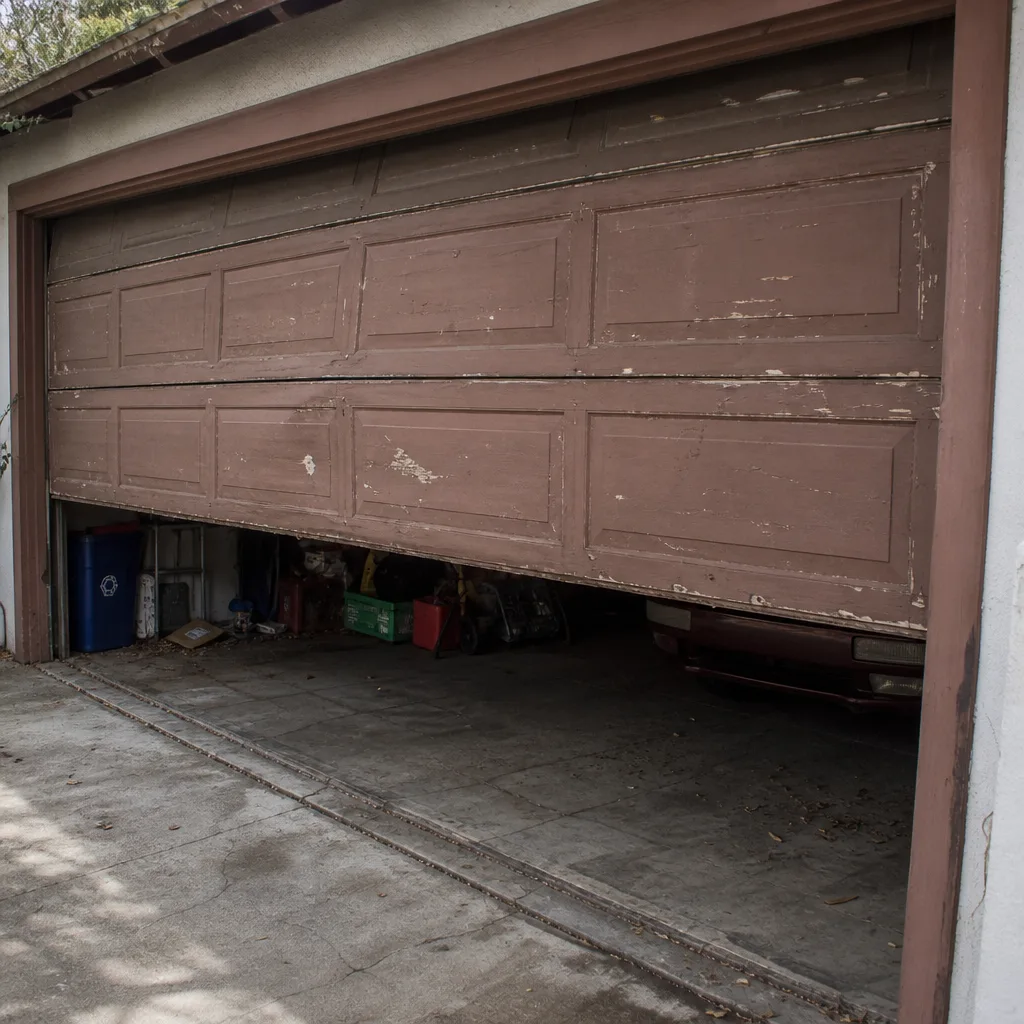 Before
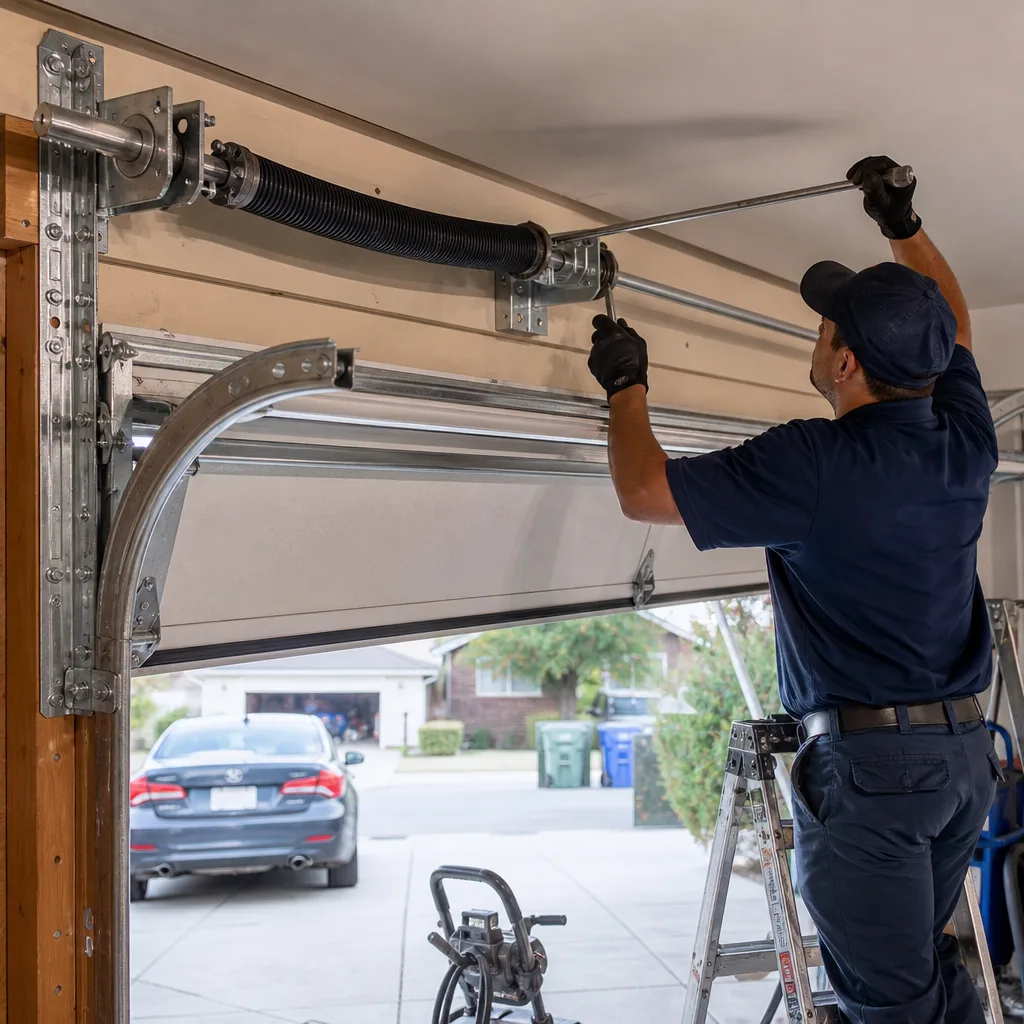 After
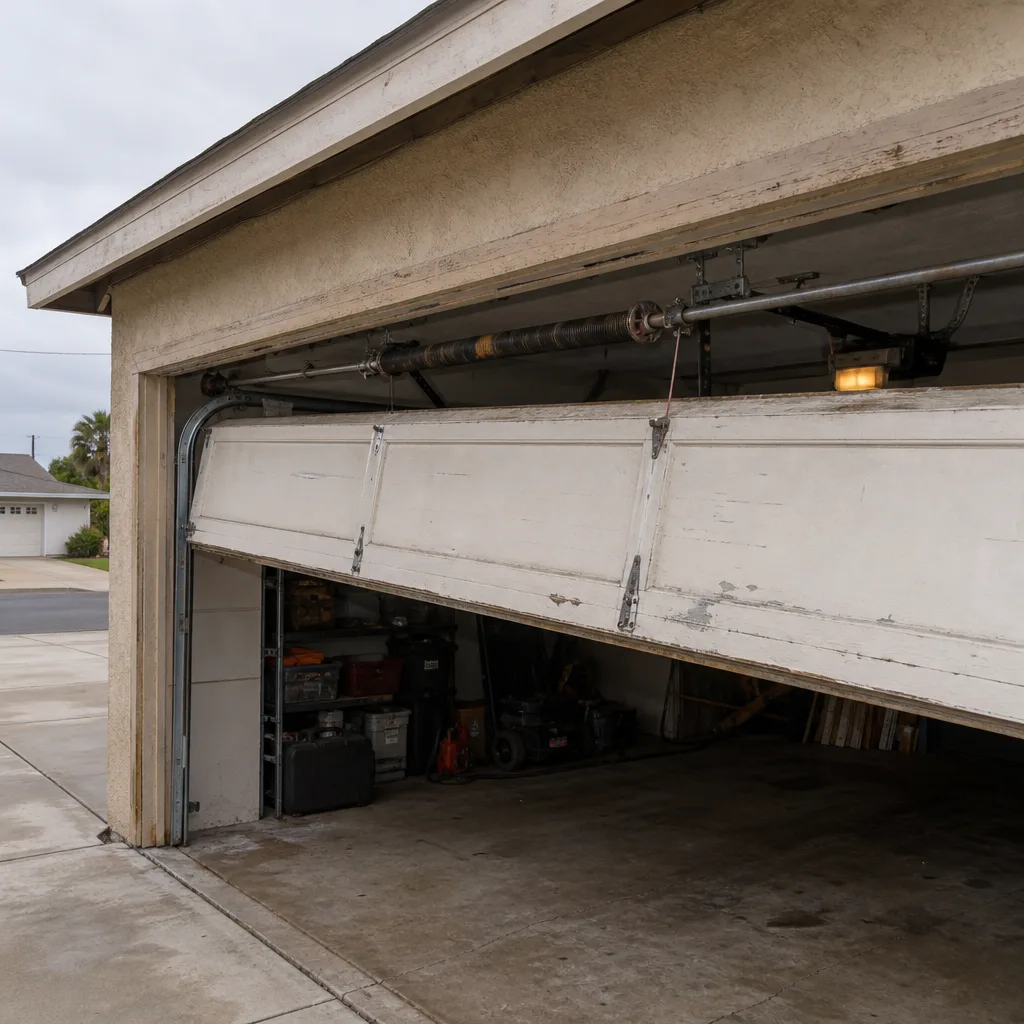 Before
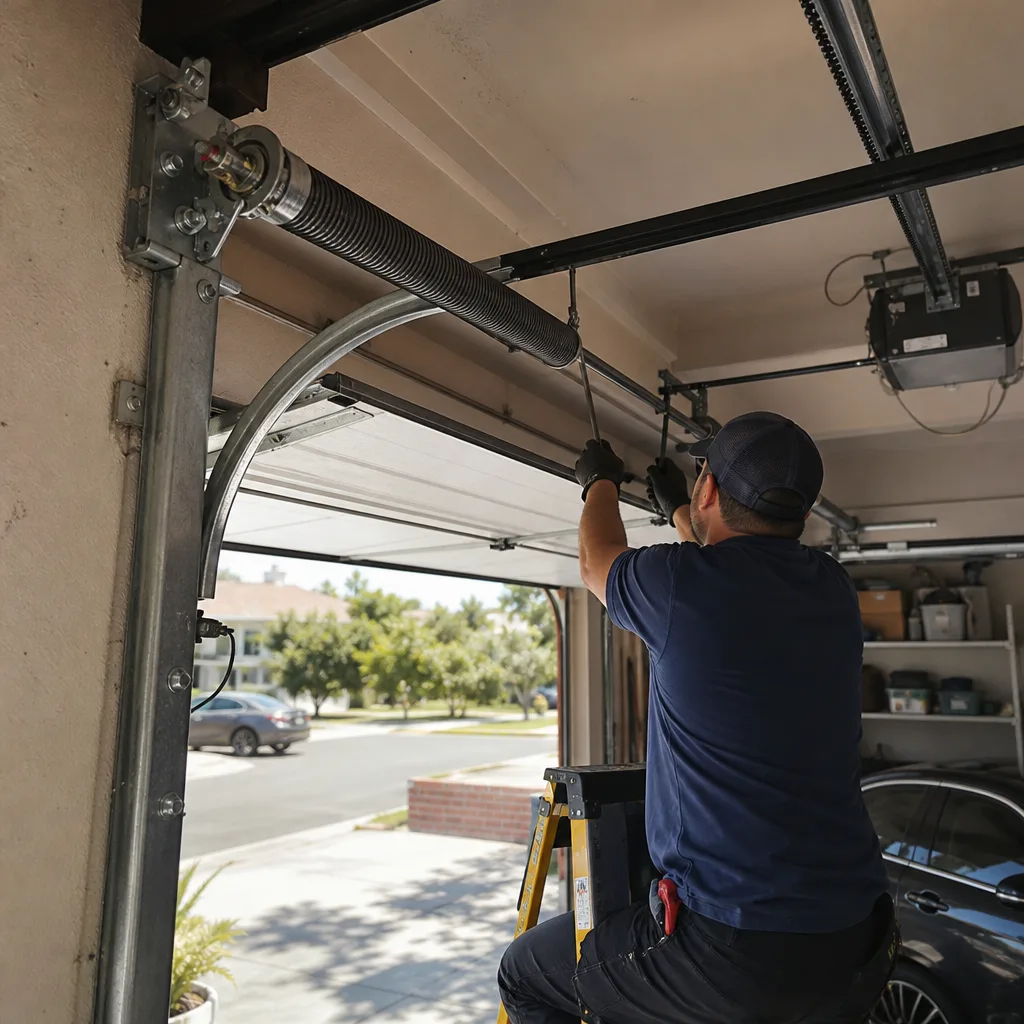 After
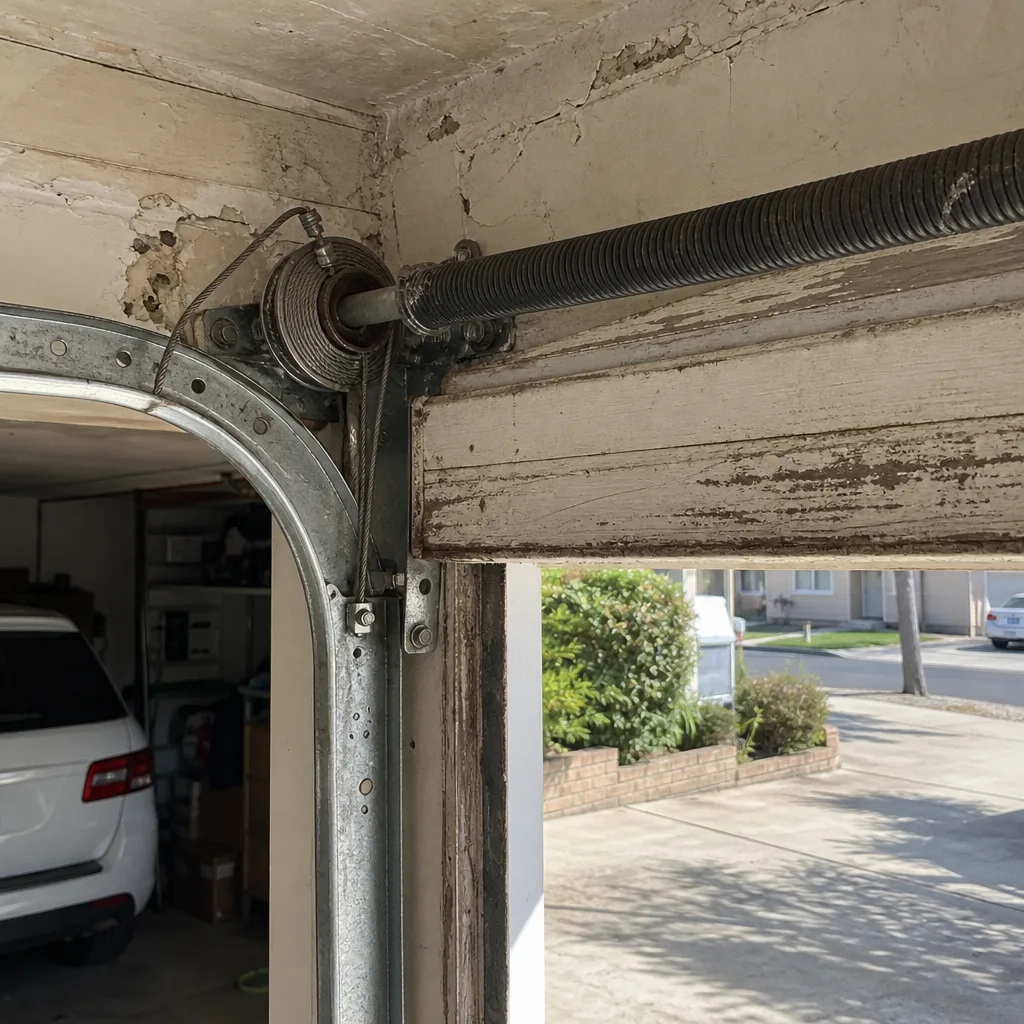 Before
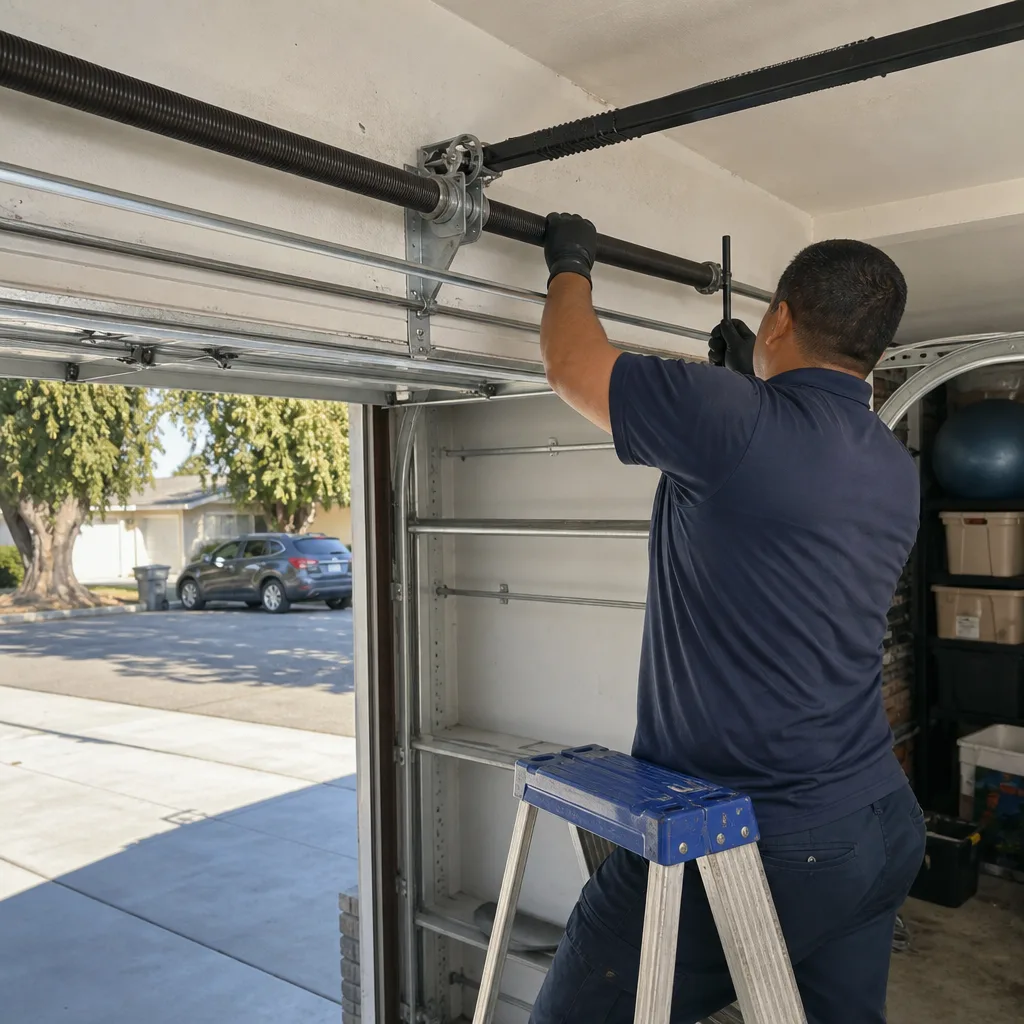 After
When to Call a Professional
Call a professional when the warning sign involves any component under tension: springs, cables, or the bottom brackets they attach to. These are not DIY repairs, and the risk of serious injury is real. Call a professional when the door fails either the balance test or the force test described above. Call a professional when you’ve identified an opener-specific warning sign and the fix requires opening the motor unit, adjusting travel limits, or working with safety sensor logic. And call a professional when you’re simply not sure what the sound or behavior means: a diagnostic visit is far cheaper than guessing wrong and replacing the wrong component. Chaparral Garage Door Repair offers free estimates in Los Angeles. Call (866) 472-6497 and describe what you’re seeing and hearing, and we’ll tell you honestly whether it’s urgent, routine, or something you can monitor.
Frequently Asked Questions
A failing torsion spring announces itself through squeaking or squealing from the spring area during door movement, a door that feels heavier than it used to when lifted manually, or visible gaps forming between the coils. In Los Angeles, where coastal humidity accelerates spring rusting and Santa Ana dryness strips internal lubrication, an annual visual inspection of the spring ends is the best early detection method. If you see rust at the spring ends or hear a persistent squeal from above the door, call (866) 472-6497 for an inspection.
A door that hesitates before closing is usually signaling one of three things: a spring that’s losing tension and no longer counterbalancing the door’s weight properly, an opener that’s struggling against a door that’s become too heavy for it, or a track obstruction that’s causing the door to bind at a specific point. In Los Angeles, we most commonly see hesitation caused by spring fatigue combined with dust accumulation in the tracks during Santa Ana season. Two of those three causes are safety issues that should be addressed immediately. Call (866) 472-6497 and describe exactly when the hesitation occurs, and we’ll help you triage it.
You can address a squeaky hinge or roller with a silicone-based lubricant without professional help, as long as the door is otherwise operating normally and the squeak is clearly coming from the hinge area. You should not attempt to lubricate or adjust a squealing torsion spring yourself. Torsion springs are under hundreds of pounds of tension, and a misplaced tool or improper adjustment can cause serious injury. If the squeak is coming from above the door rather than from the sides, that’s a spring-area issue, and it’s a professional repair.
You should not use a door with a frayed cable at all. The cable is under full tension while the door is in operation, and a frayed cable has already lost a significant portion of its rated strength. The remaining strands are carrying the load and can snap on the next cycle, which can cause the door to drop suddenly or the cable to whip with dangerous force. In Los Angeles homes where the garage is the primary entry point, this is a particularly serious risk. Stop using the door, leave it closed if possible, and call for cable replacement the same day.
Yes. Amarr doors tend to show progressive spring fatigue that makes the door feel heavier over time. Wayne Dalton doors with the enclosed TorqueMaster spring system often lose tension suddenly without a visible spring break. Craftsman doors from the 1980s and 1990s commonly develop loose, rattling rollers and hinges. Raynor doors frequently show cable wear at the bottom bracket connection point first. Working with a company that regularly services your specific brand means the warning signs get correctly interpreted the first time, not after the wrong part has been replaced.
A garage door problem affects the physical door: springs, cables, rollers, tracks, panels, and hinges. An opener problem affects the motor unit, drive mechanism, remote controls, and safety sensors. If the door is heavy to lift manually or makes noise from the door assembly, it’s a door problem. If the motor runs but the door doesn’t move, or the door reverses unexpectedly, or the remote works intermittently, it’s an opener problem. Chaparral Garage Door Repair treats opener repair and door repair as separate specialized services because the diagnostic process is different for each system. Call (866) 472-6497 for a free estimate on either.
The Bottom Line
Garage doors don’t fail suddenly as often as they seem to. They broadcast warnings for weeks: a squeal from the spring, a hesitation on the way down, rust creeping across a cable, a door that feels heavier than it should. The skill is in reading those signals for what they are, and the payoff is a repair bill in the low hundreds rather than the high thousands. In Los Angeles, where Santa Ana dust and June Gloom humidity create predictable seasonal stress patterns, the homeowner who knows their door’s baseline behavior is the homeowner who catches problems at the $150 stage. Learn your door’s sounds. Run the 30-second checks. And when a warning sign appears, don’t wait for the failure to confirm it. You can always reach the team at Chaparral Garage Door Repair for straightforward guidance on what you’re seeing and hearing.
Written by the team at Chaparral Garage Door Repair, serving Los Angeles since 2018.