
Last updated October 30, 2026
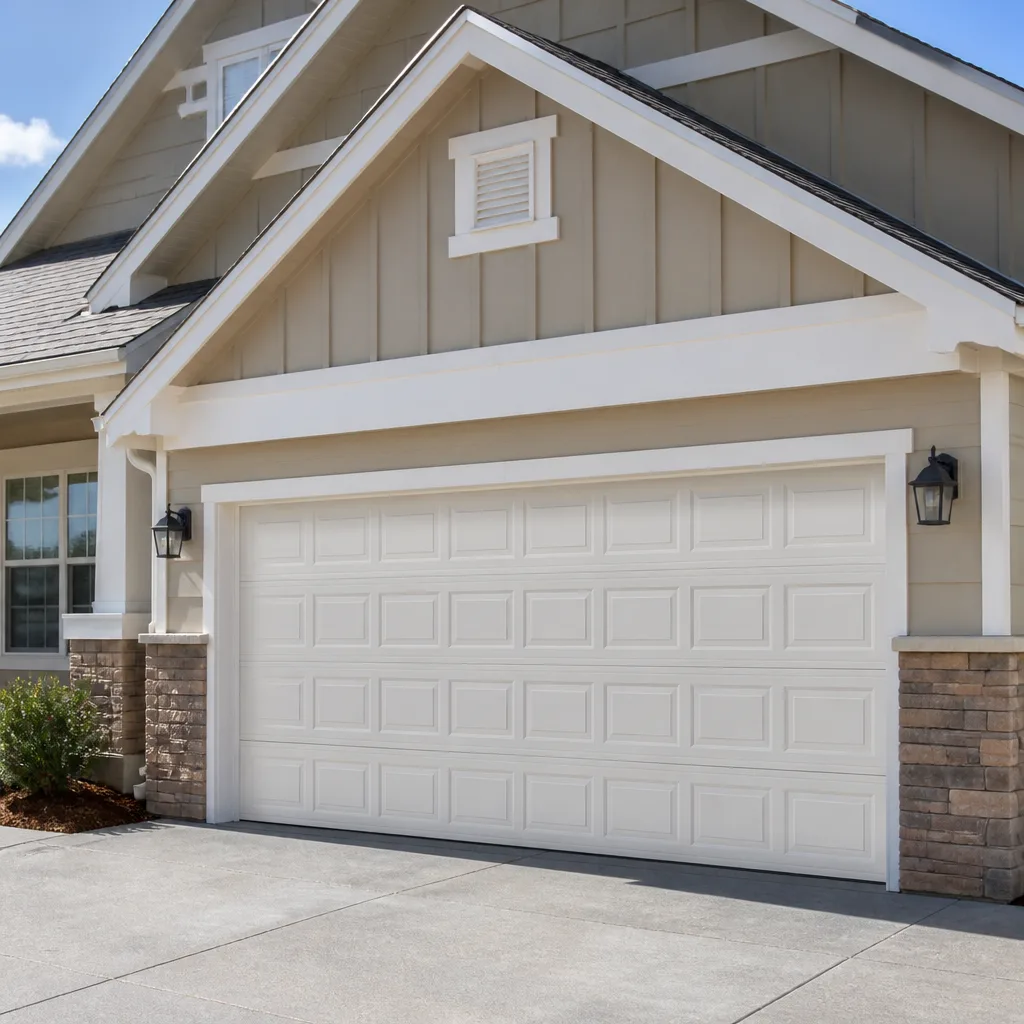 Raised-panel steel
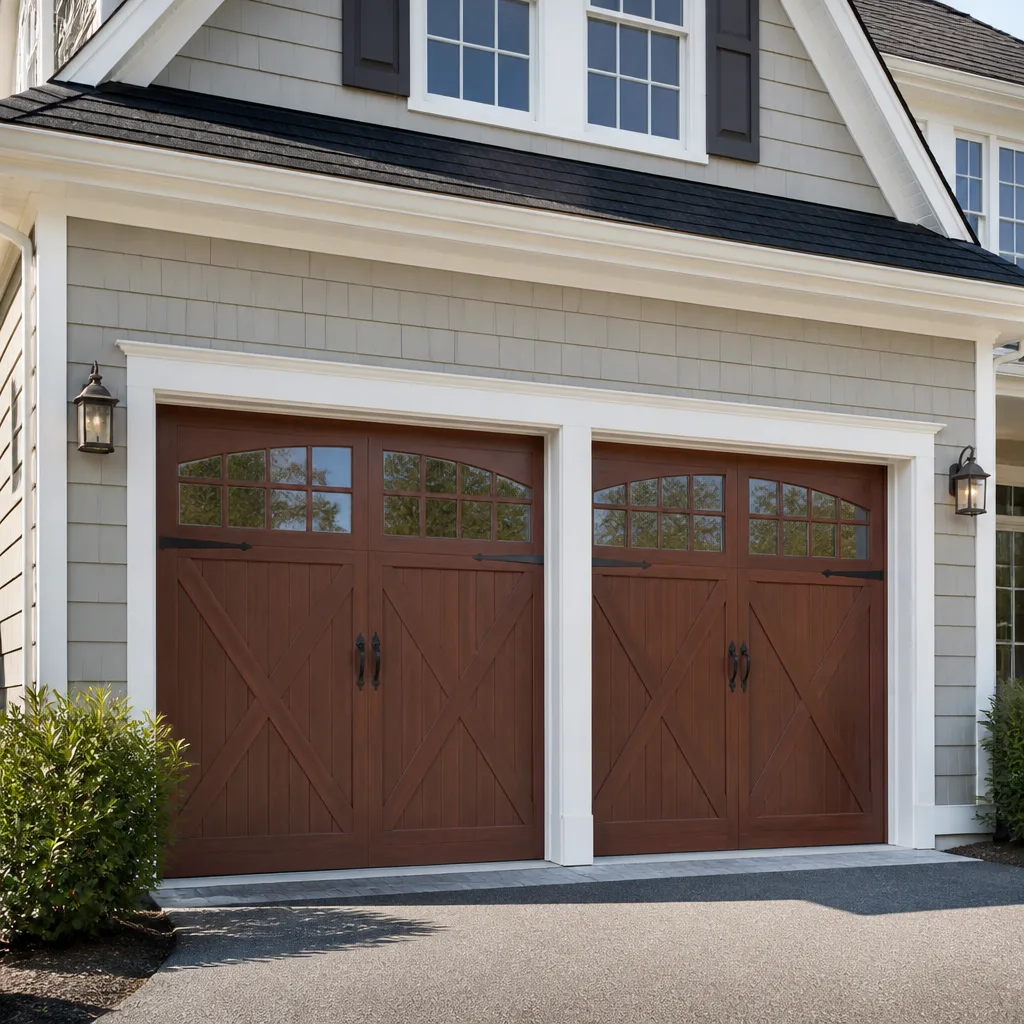 Carriage house
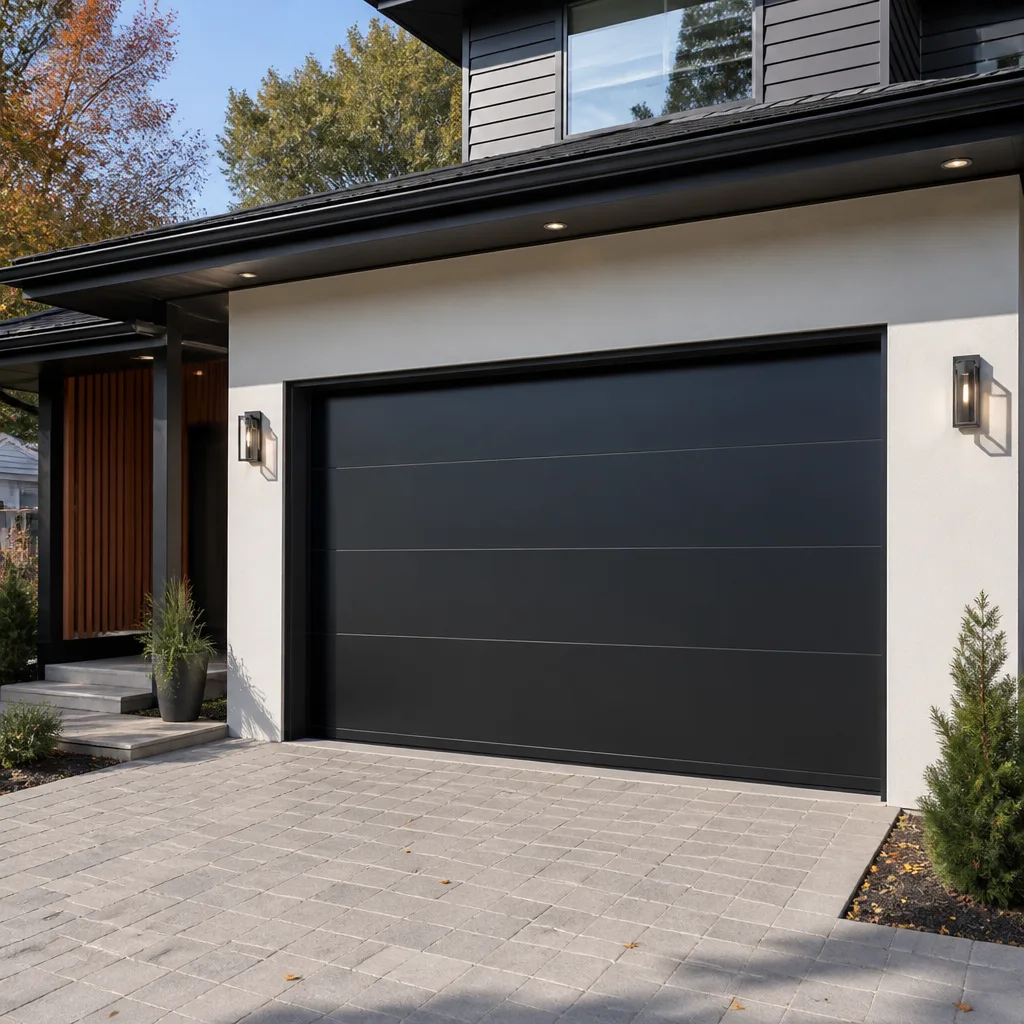 Modern flush
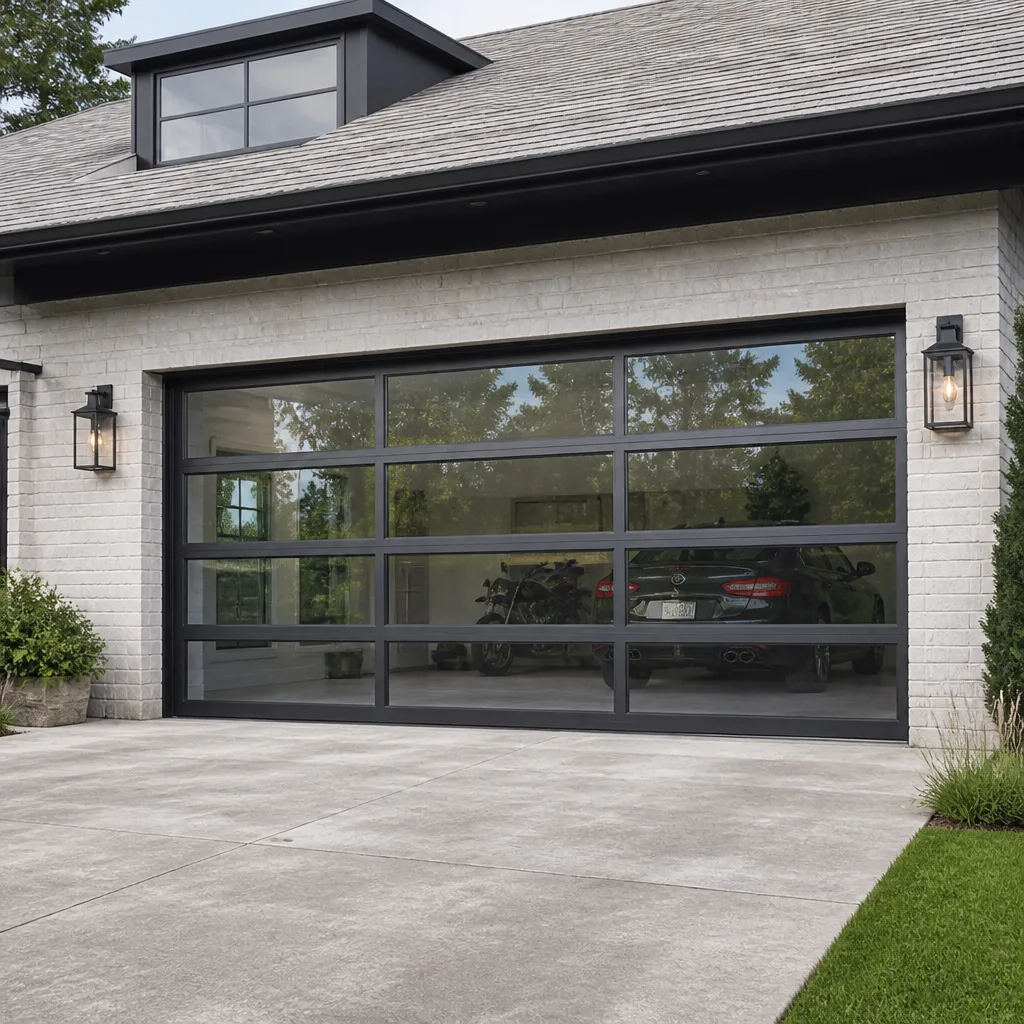 Full-view glass
 LiftMaster openers
 Chamberlain openers
Full 25-point door and opener safety check with every visit - springs, cables, rollers, tracks, and your LiftMaster or Chamberlain opener included
You get a price before we start. It does not change when the truck arrives.
Get your free estimateSeasonal Garage Door Care for Los Angeles: Year-Round Homeowner’s Guide
Most homeowners assume garage doors only fail in places with brutal winters. That assumption is exactly why Los Angeles doors break when they do. The truth is your garage door in Los Angeles endures a pattern of stress that snow-belt doors never face: months of direct UV exposure, daily temperature swings of 30 degrees or more, abrasive wind-driven grit, and a marine layer that keeps metal damp for weeks at a time. This guide breaks down the four real stress cycles that affect LA garage doors, what each one does to your specific door material and opener, and a month-by-month plan that prevents most failures before they strand your car in the driveway. For The Complete Guide to Garage Door in Los Angeles and more resources, see our blog. We’re a garage door company in Los Angeles, and the patterns below come from thousands of service calls, not a generic maintenance checklist.
Styles & brands we work with
Quick Answer
Los Angeles garage doors need seasonal attention calibrated to four specific stress cycles rather than calendar seasons: summer heat expansion (June through September), Santa Ana wind season (October through January), the marine-layer moisture period (May through July), and the post-rain debris cycle (December through March). A Los Angeles homeowner should inspect springs, tracks, and weather stripping four times a year, lubricate moving parts twice a year, and pay for a professional tune-up every 12 to 18 months. For detailed guidance, see The Complete Garage Door Repair Guide for Los Angeles Homeowners. Doors facing direct afternoon sun or canyon wind corridors need attention more often than shaded, sheltered installations.
Table of Contents
- The Four Los Angeles Stress Cycles That Actually Matter
- What LA Sun Does to Your Door: Aluminum, Steel, and Wood Composite Compared
- Thermal Cycling and Spring Fatigue: Why LA Springs Fail Differently
- The Month-by-Month LA Garage Door Maintenance Calendar
- When a Seasonal Tune-Up Is Worth Paying For (and What It Should Include)
- Santa Ana Wind Season: The Stress Cycle Nobody Talks About
- June Gloom, Marine Layer, and What Moisture Does to Your Door
- Common Mistakes to Avoid
- When to Call a Professional
- Frequently Asked Questions
- The Bottom Line
The Four Los Angeles Stress Cycles That Actually Matter
Forget spring, summer, fall, winter. Los Angeles has a dry season and a wet season, and within those, four distinct periods put measurable stress on your garage door system. Understanding these cycles is the difference between catching a failing spring in week two and dealing with a snapped cable on a Sunday morning.
1. Summer Heat Expansion: June Through September
When the San Fernando Valley hits 100 degrees and your garage door faces west, the metal panels can reach surface temperatures of 140 degrees or more. Steel and aluminum expand measurably in that heat. Rails shift slightly. Springs lose a small percentage of their tension efficiency. Most importantly, the nylon rollers that most modern doors use start to break down faster in sustained high heat. We see more roller failures in August and September than any other time of year in Los Angeles.
2. Santa Ana Wind Stress: October Through January
Santa Ana winds don’t just blow leaves around. They push directly against the face of your garage door with sustained gusts that can exceed 40 mph in foothill neighborhoods like Altadena, Porter Ranch, and the San Gabriel Valley corridors. A properly balanced door handles that load. A door with a weakened spring does not. The wind finds the slack and starts rocking the door in its tracks, which accelerates wear on hinges, cables, and the tracks themselves. October through January is when we see the most snapped cables in Los Angeles.
3. Marine-Layer Moisture: May Through July
June Gloom is more than a mood. The nightly marine layer that blankets coastal Los Angeles from Santa Monica to Long Beach keeps steel hardware damp for 10 to 14 hours at a stretch, night after night. Untreated steel springs and hinges flash-rust in these conditions. Galvanized components resist it, but cheaper builder-grade hardware does not. Rust on a spring creates friction points that eventually become fracture points.
4. Post-Rain Debris Cycle: December Through March
When Los Angeles finally gets its rain, it washes months of accumulated dust, pollen, and grit down into the bottom track sections of garage doors. That grit mixes with water to form a paste that grinds against rollers and track surfaces. If your door operates fine during the dry season but starts grinding or hesitating after the first real rain, this is usually why. Neighborhoods with mature landscaping, like Hancock Park or parts of Pasadena, get an extra dose of leaf debris that compounds the problem.
For a deeper look at the repair side of these failures, our Garage Door Repair in Los Angeles page breaks down what we actually fix most often.
What LA Sun Does to Your Door: Aluminum, Steel, and Wood Composite Compared
Every garage door material reacts to sustained Los Angeles sun differently. Knowing which one you have tells you what to watch for.
Aluminum Doors
Aluminum doors are the most common in modern Los Angeles homes, especially in mid-century neighborhoods like the Valley and Westside. Full-view aluminum doors with glass panels look great, but the aluminum frame itself oxidizes under UV exposure. The powder coating eventually chalks and fades, especially on south- and west-facing exposures. Structurally, aluminum holds up well in heat, but the thermal expansion is significant. You’ll hear more popping and creaking from an aluminum door on a hot afternoon than from any other material. That noise is normal expansion, not necessarily a mechanical problem.
Steel Doors
Steel doors, especially the multi-layer insulated models from manufacturers like Clopay and Amarr, handle UV better than aluminum cosmetically. The paint systems are baked on and resist fading for years. The real vulnerability with steel in Los Angeles is edge rust. Any place where the factory paint gets scratched, whether that’s from a child’s bike handle or a trash can impact, exposes bare steel. Coastal moisture does the rest. Rust at the bottom panel edge is the most common corrosion point we see, especially on homes within five miles of the coast.
Wood and Wood Composite Doors
Wood composite doors, which you still see on older Los Angeles homes in neighborhoods like Los Feliz and Silver Lake, take the hardest UV beating. The resins and binders in composite materials break down under direct sun. The surface gets chalky, the color fades unevenly, and hairline cracks form at stress points. A wood composite door with a west-facing exposure needs refinishing roughly every two to three years in Los Angeles. Skip that maintenance cycle and you’ll be replacing sections rather than touching them up.
If you’re on the fence about whether to keep repairing an aging door or replace it entirely, our Garage Door Installation in Los Angeles page walks through the decision honestly.
Thermal Cycling and Spring Fatigue: Why LA Springs Fail Differently
Here’s the counterintuitive part: the average Los Angeles garage door spring works harder than the average Minnesota spring. That sounds wrong until you understand thermal cycling.
A torsion spring in Minneapolis gets cold in winter, stays cold for months, then warms up in spring. The temperature range is wide, but the transitions are slow. In Los Angeles, especially in neighborhoods like Sherman Oaks or Glendale, a spring can swing from 55 degrees at 6 a.m. to 95 degrees by 3 p.m., then back down overnight. That daily expansion and contraction happens roughly 300 times a year. Each cycle fatigues the steel at a microscopic level. Over five or six years, that’s 1,500 to 1,800 cycles of thermal stress on top of the normal mechanical stress of opening and closing.
What to watch for:
- Visible stretch or separation: If you can see daylight through the coils of your torsion spring when the door is closed, the spring has stretched past its serviceable range and needs replacement.
- Uneven lift: A door that rises a few inches on one side before the other catches up is a classic sign of a spring losing tension asymmetrically.
- Door drifting down: With the opener disengaged, a properly balanced door should stay put at the halfway point. If it drifts closed, spring tension is fading.
- Loud snap sound: This is the failure moment. If you hear it, the spring is broken and the door should not be operated manually or with the opener, as a broken spring leaves the full door weight unmanaged.
Spring replacement is not a DIY job. Torsion springs hold hundreds of pounds of stored tension, and the release of that tension without the proper tools and technique causes serious injury every year in Los Angeles. If you suspect spring problems, this is the time to call a specialist, not watch a tutorial. Our Chaparral Garage Door Repair home page explains what a single-trade garage door company does differently from a general handyman service.
The Month-by-Month LA Garage Door Maintenance Calendar
Here is a maintenance calendar built for the actual Los Angeles climate. This is not the generic “check your weather stripping before winter” advice written for Chicago. This is what your door actually needs in LA.
January
- After the first real rain, inspect the bottom track sections. Clear out accumulated grit and leaf matter.
- Check the bottom rubber seal for cracks or gaps. Cold overnight temps make old rubber brittle even in LA.
- Test the auto-reverse safety feature on your opener. Place a 2×4 flat in the door’s path and verify the door reverses on contact.
February
- Inspect cables for fraying. Look for broken strands near the bottom brackets, the most common failure point.
- Lubricate rollers, hinges, and springs with a silicone-based garage door lubricant. Do not use WD-40, which is a solvent that strips existing lubrication.
- Check all hinge bolts for tightness. Santa Ana winds have been working them loose all season.
March
- Wash the exterior of the door with mild soap and water. This removes the accumulated winter grime before it bakes into the finish.
- Inspect the weather stripping on both side jambs. Look for tears where wind-driven dust has been grinding.
- Check the balance of the door manually. Disconnect the opener and lift the door to the halfway point. It should stay.
April
- Inspect the top of the door and upper track sections for dust accumulation. Use a dry brush to clear. This is pre-June Gloom preparation.
- Test the opener’s force settings. If your opener has a dial or digital setting, it should not require significant force to move the door.
- Verify the outdoor keypad functions. Replace the battery now, before summer heat kills it.
May
- The marine layer is here. Check steel springs and hinges for surface rust. Light rust can be wiped and oiled. Deep rust needs professional evaluation.
- Inspect the bottom rubber seal again. Moisture accelerates rot if the seal already has small tears.
- Run the door through a full open/close cycle and listen. Squeaks now will become grinding by August.
June
- June Gloom peak. This is the single most important lubrication month in Los Angeles. Moist air plus warming daytime temps creates condensation on cold metal parts.
- Inspect nylon rollers for visible wear. Flat spots or wobble mean replacement is due.
- Check the opener’s safety sensors. Fog and humidity can trigger false readings. Clean the sensor lenses with a dry cloth.
July
- Heat expansion month. Observe the door for any binding or hesitation during afternoon operation. Metal has expanded. Tracks that were marginal are now binding.
- Check the door’s paint or finish for heat-related checking. Small cracks now prevent larger repairs later.
- Test the opener again in the heat of the day. Motor thermal protection sometimes trips on older openers in extreme heat.
August
- Peak roller failure month. If you hear popping or grinding, replace rollers now, not next month.
- Inspect the torsion spring for visible gaps or separation. High heat accelerates spring fatigue.
- Lubricate again. August heat cooks off lubrication faster than any other month.
September
- Pre-Santa Ana inspection. Tighten all track brackets and hinge bolts. Wind season starts soon.
- Check the door’s balance one more time. A balanced door handles wind load far better than a sagging one.
- Inspect cables for rust or wear at the bottom bracket. Replace now if questionable.
October
- First Santa Ana events typically arrive. Check weather stripping for wind whistle. Gaps mean wind is entering and pushing the door.
- Remove any loose items near the door that could blow into the tracks.
- Test the emergency release cord. In a wind-driven power outage, you’ll need it. The cord should pull smoothly and reconnect cleanly.
November
- Mid-Santa Ana season. Check track brackets for loosening after sustained wind. A rattling door means something is working loose.
- Inspect the door sections for dents or dings from flying debris. Small dents in steel panels can be popped. Deep dents compromise panel integrity.
- Verify the opener’s force settings again. Wind resistance requires correct force, not maxed-out force.
December
- Pre-rain inspection. Clear the top of the door and track area. LA’s first real rain is usually December or January.
- Check the bottom seal one final time before rain begins. A good seal keeps rainwater, mud, and debris out.
- Run the full annual review. Note anything that changed over the year so you can spot trends next year.
If any of these monthly checks reveals a problem you don’t know how to fix, that’s where our Garage Door Opener Repair in Los Angeles service comes in. Your opener is its own system with its own failure points, and it deserves the same seasonal attention as the door itself.
When a Seasonal Tune-Up Is Worth Paying For (and What It Should Include)
Some garage door companies sell “seasonal tune-ups” as a quarterly subscription. For most Los Angeles homes, that’s overkill. But a professional tune-up every 12 to 18 months is genuinely worthwhile, and here’s the honest math on when it matters.
A tune-up is worth paying for when:
- Your door is 8 years old or older. Springs, rollers, and cables have accumulated enough cycles that professional measurement of tension and wear catches things a visual inspection misses.
- You live in a wind corridor. Homes in the San Fernando Valley, the foothills, or the Cajon Pass approach get real Santa Ana loading. A professional balance check before wind season is cheap insurance against a cable snapping mid-storm.
- Your door faces west or south without shade. Constant afternoon sun means faster roller breakdown and more expansion-related hardware loosening.
- You’ve never lubricated or inspected the door yourself. A single professionally done tune-up establishes a baseline, after which many homeowners handle the simple monthly checks on their own.
- The door is making any noise that wasn’t there six months ago. Noise is the earliest symptom of most mechanical failures. Ignoring it because the door still works is how $80 roller replacements become $500 track repairs.
If you do pay for a tune-up in Los Angeles, make sure it includes these specific items. Anything less is a lubrication job, not a tune-up:
- Spring tension measurement and adjustment. The technician should test the door’s balance manually and adjust torsion spring tension if the door doesn’t stay at the halfway point.
- Roller inspection and replacement recommendation. Every roller should be checked for wobble, flat spots, and bearing wear. Cracked nylon rollers get replaced, not left to fail later.
- Cable inspection at the bottom bracket. This is where cables fail first. A proper tune-up catches fraying before the snap.
- Track alignment and hardware tightening. Every bracket and bolt gets checked with actual tools, not a visual glance.
- Opener force and safety sensor testing. Your opener is its own system. Its force settings and auto-reverse function need verification that the tune-up covers both door and opener, not just the mechanical workings above.
- Full lubrication with proper products. Silicone-based lubricant on rollers, hinges, and springs. Nothing sprayed on the track itself, which should stay dry.
- Weather seal inspection. Bottom seal, side seals, and top seal all get checked for gaps and tears.
Here’s the truth from years of Los Angeles service calls: a homeowner who does the monthly checklist above and gets a professional tune-up every 18 months will typically get 12 to 15 years out of a quality door system. A homeowner who does nothing until something breaks averages 8 to 10 years and pays more in emergency repair costs along the way. Repair or replace, we’ll tell you which one actually makes sense.
Santa Ana Wind Season: The Stress Cycle Nobody Talks About
Every Los Angeles homeowner knows Santa Ana winds. What most don’t realize is what those winds do specifically to garage doors, and why certain failures cluster in this window every single year.
Santa Ana winds are downslope winds that compress and heat as they drop from the high desert into the LA basin. Gusts in the foothills regularly reach 50 to 60 mph, with occasional stronger bursts. The sustained nature of Santa Ana wind, blowing for hours or days at a time, is what separates it from a brief storm gust.
Here’s what happens mechanically. The wind pushes against the face of your garage door. A single-car door is roughly 7 by 8 feet, meaning 56 square feet of surface area. At a sustained 40 mph gust, that’s about 230 pounds of force pressing against the door. Over a full day of gusting, the door endures thousands of push-and-release cycles. Each push transfers load through the door panels into the hinges, then through the cables into the spring system, then into the tracks.
The failure points in Santa Ana season, in order of frequency:
- Cables snapping at the bottom bracket. The cable is the tensile link between the spring system and the door. Wind loading plus existing cable wear equals failure. This is the most common Santa Ana breakdown we see in Los Angeles.
- Hinges loosening or shearing. The constant rocking loosens bolts. A loose hinge then becomes a shock-loaded hinge, and the metal fatigues fast.
- Track brackets pulling from the door frame. The brackets that secure the vertical tracks to your garage wall take the lateral load. Older installations with fewer or smaller lag bolts come loose.
- Rollers popping out of the track. If the door has enough play from loose hardware or failing springs, a strong gust can push the door just far enough to pop a roller. The door then jams, often at the worst possible time.
What you can do before and during Santa Ana season:
- Verify door balance in early October. A balanced door resists wind load far better than a sagging one. This is the single most effective wind-season preparation.
- Tighten visible hardware. A socket wrench on the hinge bolts and track brackets takes ten minutes and prevents most wind-related loosening.
- Keep the door closed during high wind events. This sounds obvious, but people often leave the garage door open for ventilation or access during a wind event, and that’s when wind gets inside the garage and pushes against the door from within, which is a load direction the system wasn’t designed for.
- Check cable condition before the season. If there’s any visible fraying in September, replace the cables in October. A single snapped cable during a Santa Ana event means the door is out of service until a technician can come.
June Gloom, Marine Layer, and What Moisture Does to Your Door
The marine layer that rolls into Los Angeles every May and June is a moisture cycle that homeowners inland sometimes never see. If you live in Santa Clarita or the Inland Empire, this section matters less. If you live in West LA, Culver City, Mar Vista, or any neighborhood west of the 405, this is your garage door’s biggest environmental stressor.
The pattern goes like this. During June Gloom, the overnight marine layer coats everything with a fine, persistent moisture. It’s not rain. It’s condensation plus fog. Metal surfaces stay damp for 10 to 14 hours at a stretch. Then the sun burns through around midday and bakes the moisture off. That daily wet-dry cycle, repeated for six to eight weeks, is brutal on unprotected steel.
What moisture does to specific components:
- Springs: Untreated or thinly coated torsion springs develop surface rust within days. That rust creates microscopic pits in the steel. Pits concentrate stress, and concentrated stress is where springs crack. A spring that looks rusted is a spring on a shortened lifespan.
- Hinges and brackets: The mild steel used in standard hinges rusts quickly in marine-layer conditions. Rusted hinges don’t pivot cleanly. The added friction then loads the rollers and tracks unevenly.
- Bottom seal and weather stripping: Constant moisture keeps the bottom rubber seal soft and pliable, which sounds good, but it also creates the perfect environment for mildew growth where the seal meets the concrete. That mildew is cosmetic on the concrete but can degrade the adhesion of the seal over time.
- Opener safety sensors: Moisture and fog can cause false readings or intermittent failures. If your door reverses for no reason during June Gloom, clean the sensor lenses first before assuming a mechanical problem.
The fix for marine-layer moisture is simpler than you’d think. A good silicone-based lubricant applied to springs, hinges, and rollers before the marine layer arrives in May creates a moisture barrier. Reapply in mid-June. For hardware that’s already rusted, replacing it with galvanized or stainless components solves the problem permanently. And if your opener lives in an unsealed garage, consider adding a small amount of weather protection around the motor unit itself. Humidity gets into the circuit boards of older openers and causes failures that look mysterious but are actually moisture damage. Your opener is its own system, and it does not like being damp.
Common Mistakes to Avoid
- Using WD-40 on garage door parts. WD-40 is a solvent, not a lubricant. It strips existing grease and leaves metal bare. In Los Angeles’s dry, dusty air, that bare metal attracts grime within days. Use silicone-based lubricant instead.
- Waiting for a broken spring to fix a noisy door. Noise is your earliest warning. A squeaking roller or creaking hinge is replaceable for under $100. A snapped spring on a Sunday morning is an emergency call at emergency rates, and the door won’t work until we get there.
- Lubricating the tracks. Tracks should stay dry. Lubricant on tracks collects dust and turns into grinding paste. Rollers, hinges, and springs get lubricant. Tracks get cleaned, not greased.
- Ignoring the outdoor keypad. Keypads die more often in Los Angeles heat than in any other climate we service. If your keypad is flaky, replace the battery now. Heat kills batteries faster than cold ever does.
- Skipping winter maintenance because “LA doesn’t have winter.” The first cold snap of December, when overnight temps drop into the 40s, is when old weather stripping and tired springs reveal themselves. Cold in LA makes springs slightly more brittle and rubber seals noticeably stiffer. The failures still happen, just at 45 degrees instead of 15 below.
- Attempting spring replacement from a video tutorial. This is the one garage door task where the injury risk is genuinely severe. Torsion springs hold hundreds of pounds of tension. When they release unexpectedly, they break wrists, arms, and faces. We cannot say this clearly enough: do not attempt spring work yourself. A proper spring replacement takes a trained technician 30 minutes and costs a fraction of an ER visit.
- Letting a handyman “take a look” at the opener. A garage door opener is not a generic appliance. Opener-specific diagnostics across brands like LiftMaster, Chamberlain, and Genie require knowledge of each brand’s logic boards, force settings, and safety sensor protocols. That’s exactly why opener repair is its own specialized service, not a side item.
When to Call a Professional
Some garage door maintenance is straightforward. Cleaning tracks, lubricating rollers, replacing a keypad battery, and clearing debris are all homeowner-appropriate tasks. But certain situations require a trained technician, full stop. If you have a broken or visibly stretched torsion spring, do not attempt to operate the door manually or with the opener. If a cable has snapped or begun fraying near the bottom bracket, the door is unsafe to operate. If the door is off its track or a roller has popped out, forcing it will cause more damage. If your opener is behaving erratically, reversing intermittently, making grinding sounds from the motor unit, or refusing to respond consistently, the issue is likely in the opener’s logic board or drive mechanism, which requires opener-specific diagnostic equipment. And if your door has been hit by a vehicle or damaged by wind-driven debris, the structural integrity of the panels and track system needs assessment before you keep using it daily. For any of these situations in Los Angeles, call a specialist who works on your specific door and opener brand, not a general contractor who happens to own a ladder. Chaparral Garage Door Repair offers free estimates in Los Angeles, call (866) 472-6497.
Frequently Asked Questions
A professional tune-up every 12 to 18 months is right for most Los Angeles homes, with basic homeowner maintenance like lubrication and visual inspection done seasonally. Doors in Santa Ana wind corridors, or those with direct west-facing sun, benefit from professional attention every 12 months. If you’re doing the monthly checklist in this guide, you can stretch professional tune-ups toward the 18-month mark. If you’re not doing anything yourself, aim for annual professional service. Call (866) 472-6497 for a quote, the estimate is free.
Summer noise in a Los Angeles garage door usually comes from thermal expansion of the metal panels and rails, plus accelerated roller wear from sustained high temperatures. The popping and creaking you hear on hot afternoons is normal expansion. A grinding or squeaking sound is not normal, and it means the rollers or hinges need lubrication or replacement. If the noise is new this summer, address it now before it becomes a mechanical failure.
No. Torsion springs hold hundreds of pounds of stored tension, and the sudden release of that tension during a DIY attempt causes serious injuries every year in Los Angeles. Spring replacement requires specialized winding bars, proper safety protocol, and an experienced technician. The cost of professional spring replacement is far less than the cost of an emergency room visit. Call (866) 472-6497 and we’ll get it done the same day in most cases.
Yes. A sustained 40 mph wind gust puts roughly 230 pounds of lateral force on a standard single-car garage door. Over hours of gusting, that repeated loading loosens hardware, strains cables, and can pop rollers out of the track, especially if the door’s balance was already marginal. October through January is when we see the majority of snapped cables in Los Angeles. A balance check before wind season is the most effective prevention.
Lubrication is one step in a tune-up. A proper tune-up includes spring tension measurement, roller inspection, cable inspection, track alignment, hardware tightening, opener force testing, and weather seal checking, in addition to lubrication. A company that charges for a “tune-up” but only sprays lubricant is not doing a tune-up. Ask what specifically is included before you pay.
Professional tune-up pricing in Los Angeles typically ranges from $89 to $180, depending on the company, the door type, and whether opener diagnostics are included. At the low end, you’re getting lubrication and a visual inspection. At the higher end, you should get full spring tension measurement, roller and cable inspection, hardware tightening, and opener force testing. The price is quoted and agreed before any work starts, so there’s no surprise at the end. Call (866) 472-6497 for an exact quote for your specific door.
The Bottom Line
Los Angeles garage doors don’t fail because of snow or ice. They fail because of UV degradation, thermal cycling, Santa Ana wind loading, and marine-layer moisture, and because homeowners assume a mild climate means no maintenance. The maintenance calendar in this guide is built for LA’s actual stress cycles, not a generic seasonal template. Do the monthly checks, lubricate twice a year, get a professional tune-up every 12 to 18 months, and when something does go wrong, call a company that works on your specific brand rather than hoping a generalist figures it out. For more guides & resources, explore our blog. Garage doors, exclusively. That’s all we do.
Written by the team at Chaparral Garage Door Repair, serving Los Angeles since 2018.
See the difference
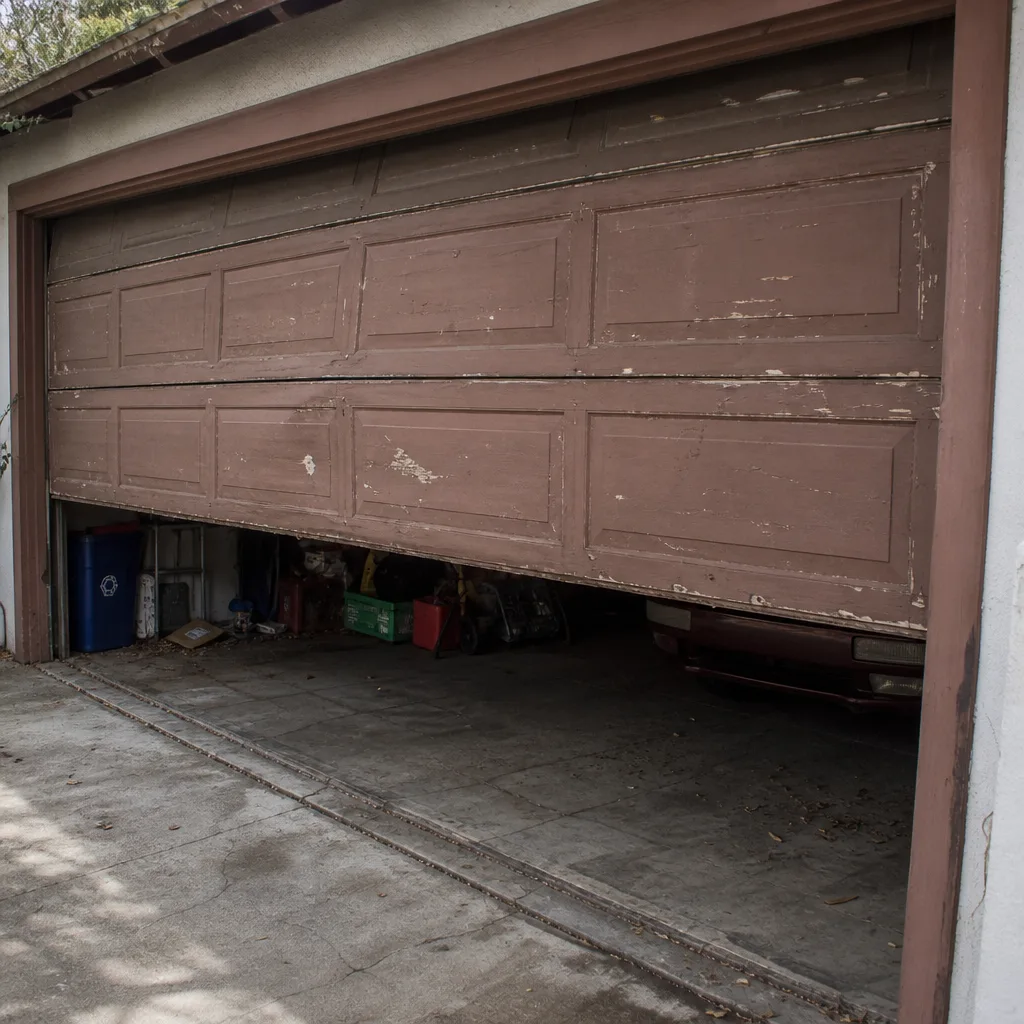 Before
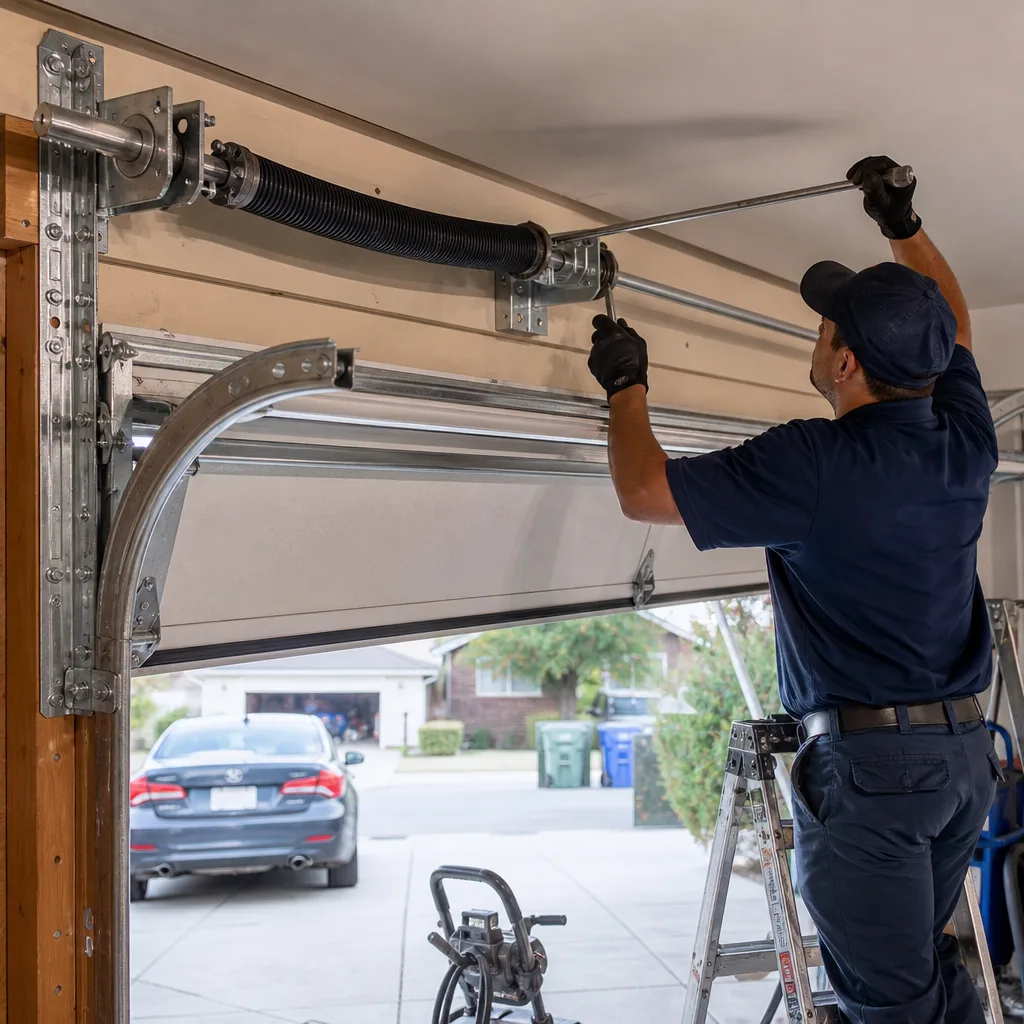 After
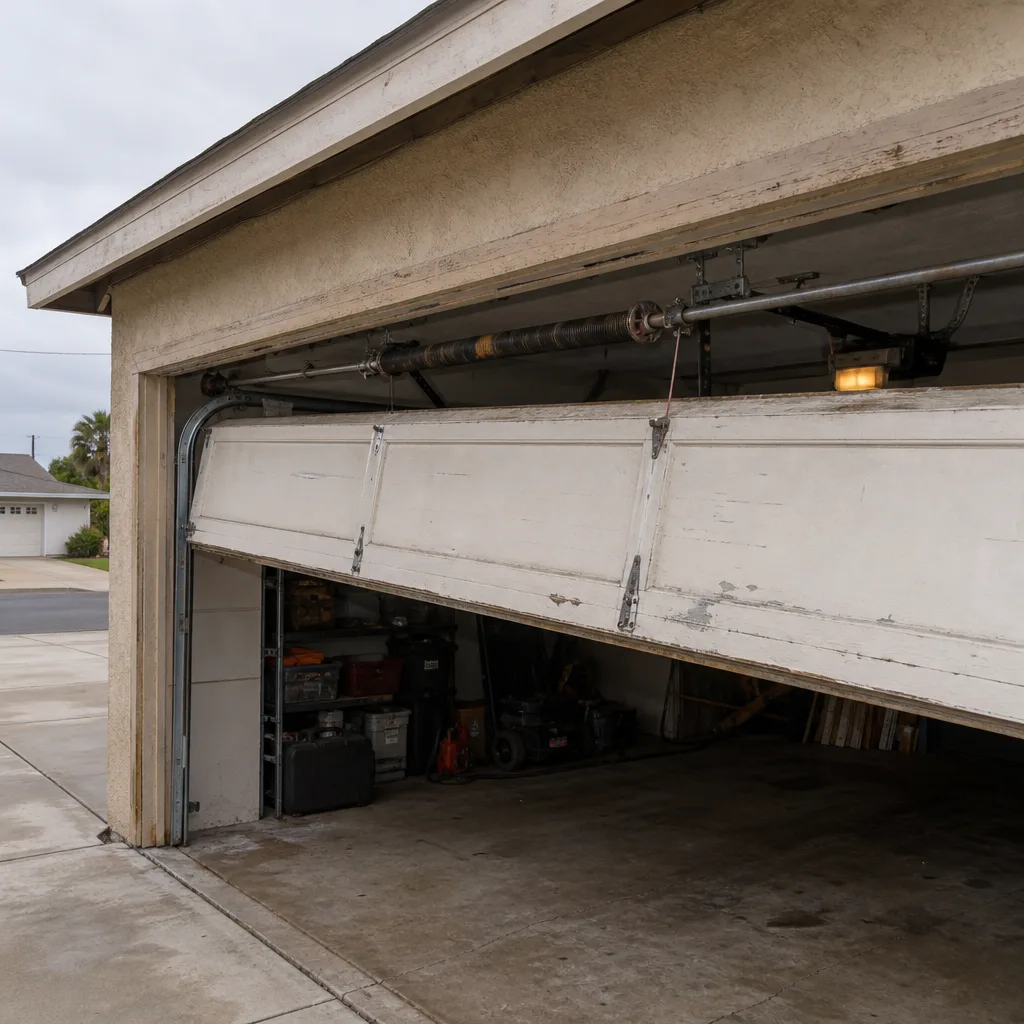 Before
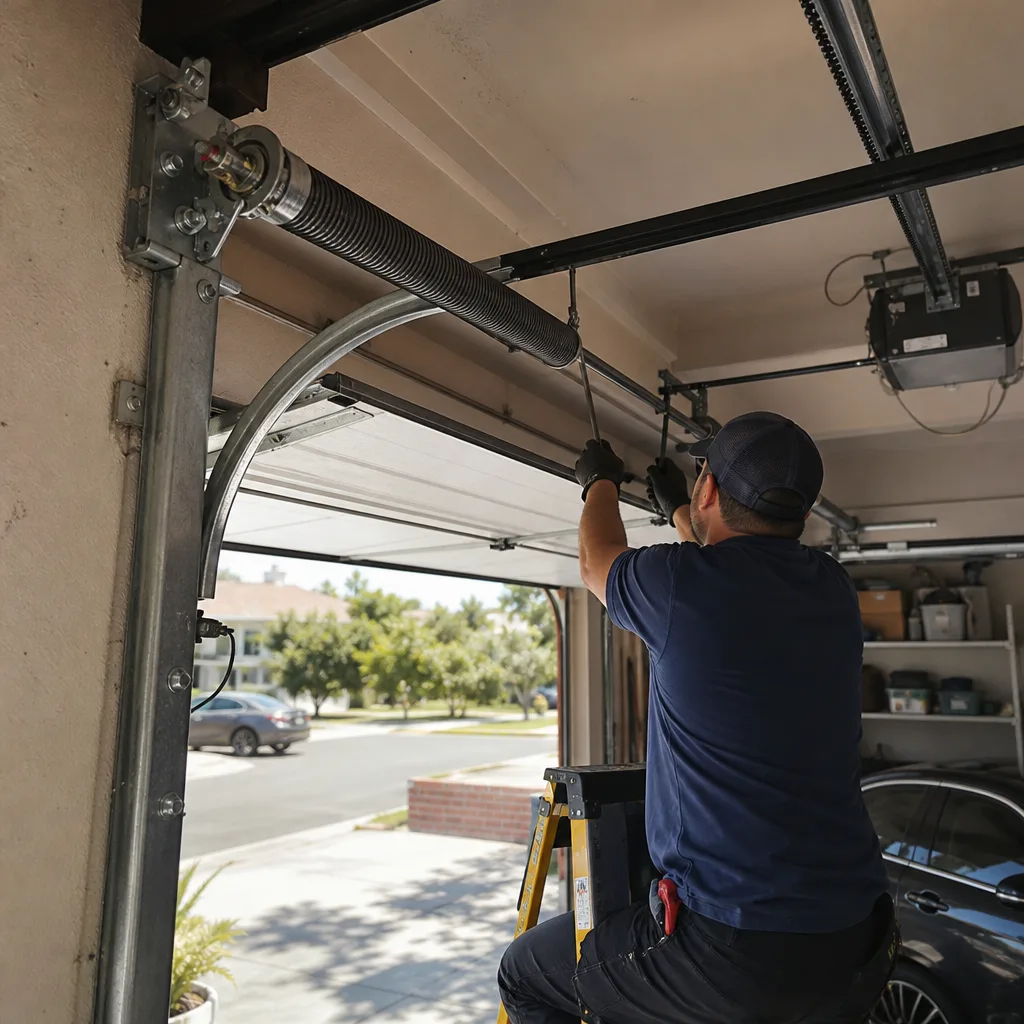 After
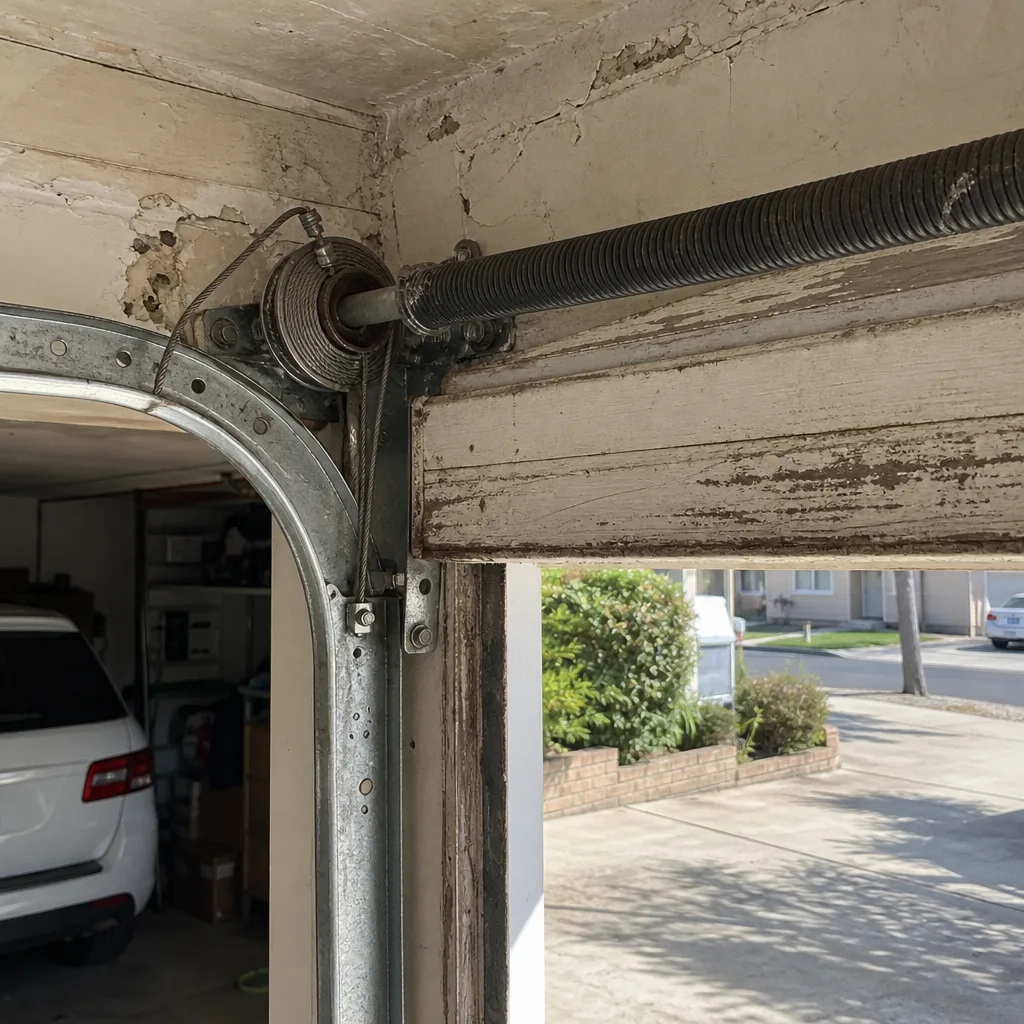 Before
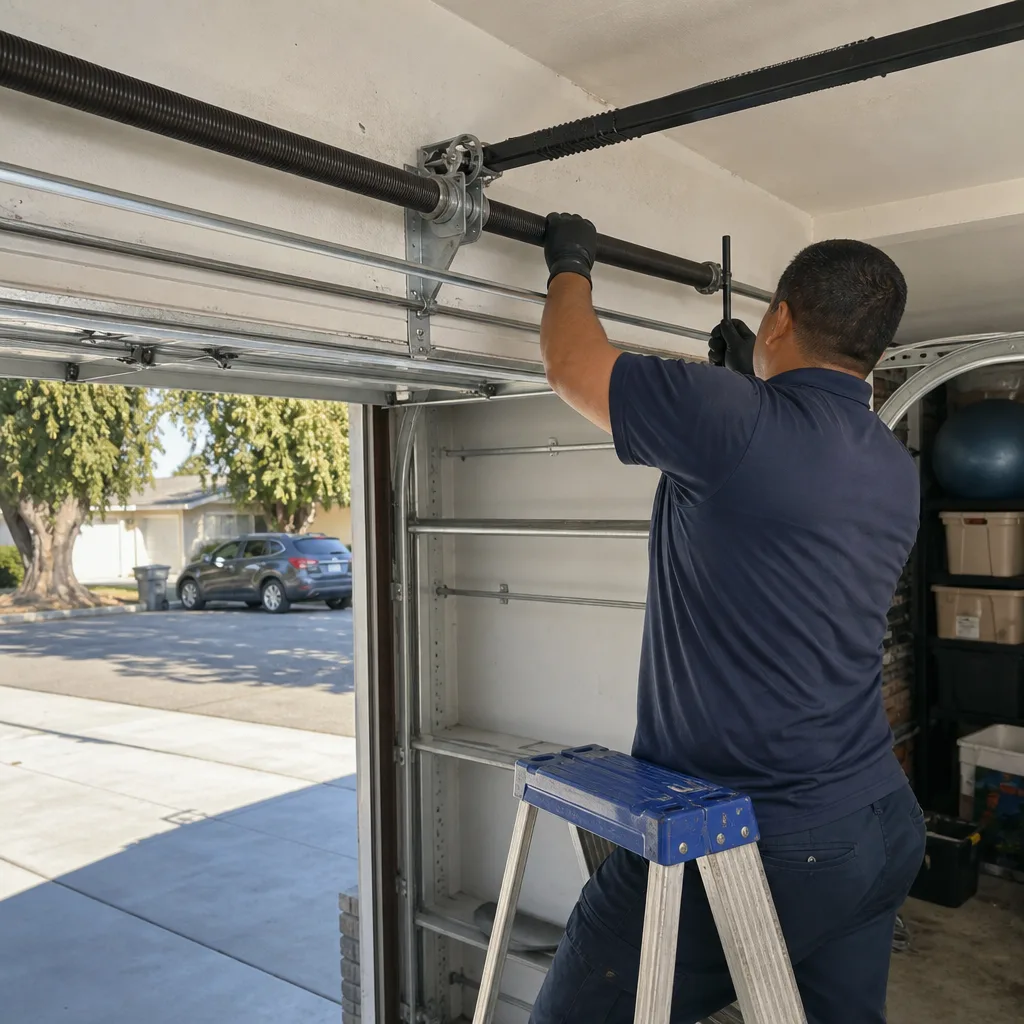 After